When planning a fence installation in Raleigh, understanding how your yard’s soil and terrain affect the process can make the difference between a long-lasting fence and one that leans or deteriorates too soon. The region’s varied landscape, from clay-heavy soil to rolling hills, poses unique challenges that homeowners should know before starting their project. For expert guidance, explore our Raleigh location to connect with professionals familiar with local conditions.
Understanding Soil Types in Raleigh
The soil composition in Raleigh greatly influences fence installation success. In many neighborhoods, red clay dominates the terrain. This dense soil expands when wet and contracts when dry, potentially shifting fence posts over time. Sandy soil, while easier to dig, lacks the structure to hold posts firmly without additional support. Loamy soil offers the best conditions, as it drains well and holds posts securely.
If you are unsure what type of soil you have, consider performing a soil test or consulting with a local expert. HowStuffWorks provides a helpful overview of different soil types and their characteristics, which can help homeowners make informed decisions before installation.
How Terrain Affects Fence Design and Stability
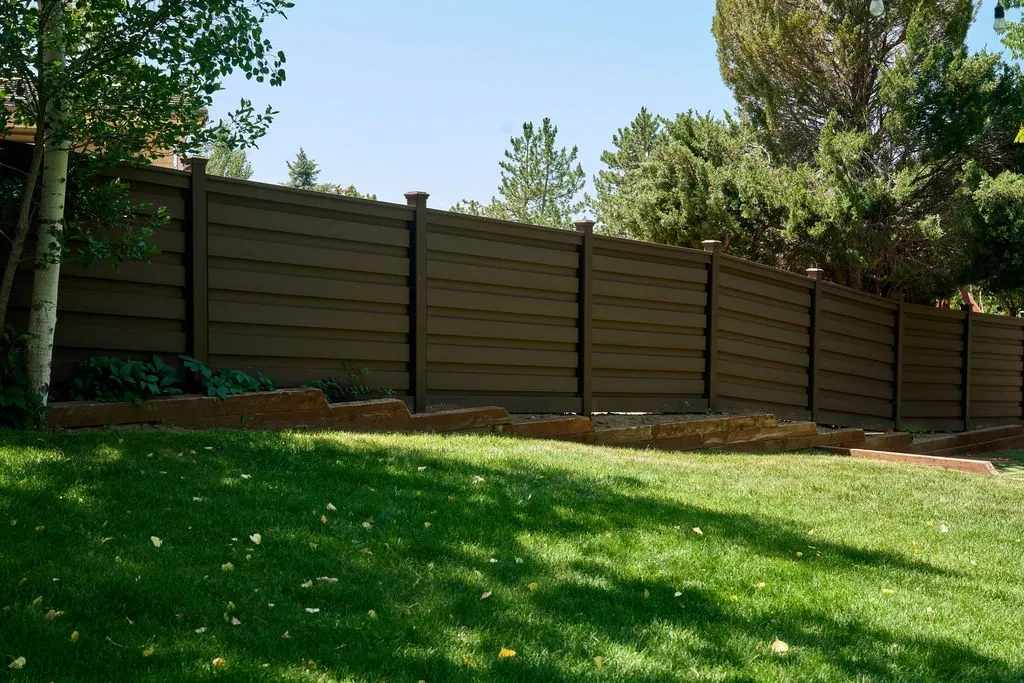
Hilly or sloped terrain in Raleigh adds another layer of complexity to residential fence installation. Fences installed on uneven ground require customized approaches, such as stepped or racked panels, to maintain both aesthetics and structural integrity. A wood fence installation on a slope, for instance, may need additional reinforcement at the base to prevent gaps and uneven alignment.
Proper drainage is also essential. Without it, water can collect around fence posts, leading to rot or corrosion. This is especially important for vinyl fence installation and other materials that rely on secure anchoring. To prevent issues, Top Rail Fence Raleigh ensures all installations account for slope, drainage, and soil type before construction begins.
Choosing the Right Fence Material for Your Soil
Selecting the best fencing material depends on your yard’s soil and moisture levels. Wood fences are popular for their natural beauty, but may require pressure-treated lumber and sealants to resist moisture in clay-heavy soils. Vinyl fencing, on the other hand, is more resistant to moisture and soil movement, making it an excellent choice for damp areas.
For properties with sandy or loose soil, installing deeper posts or using concrete footings helps stabilize the fence. Top Rail Fence Raleigh offers customized material recommendations to ensure every fence installation lasts through the region’s changing weather and soil conditions. You can also read more about different material benefits in our fence materials guide.
Professional Installation Makes the Difference
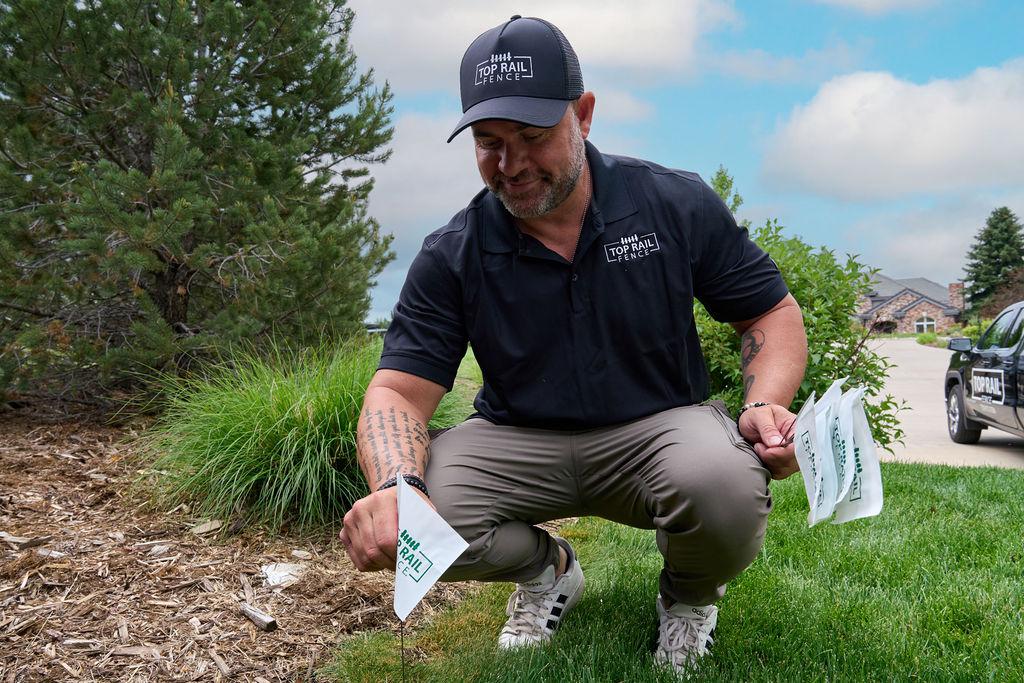
Attempting a DIY residential fence installation without considering soil and terrain factors can lead to costly mistakes. Uneven posts, shifting panels, and premature wear are common results of inadequate preparation. Professional installers from Top Rail Fence Raleigh use specialized tools and techniques to assess the ground before digging, ensuring stability and longevity.
Our experts perform on-site evaluations, identify soil conditions, and select the appropriate materials and post depths for each project. This attention to detail ensures your fence withstands both environmental changes and time.
Maintenance Tips for Long-Lasting Fences in Raleigh
Even after a proper fence installation, routine maintenance is essential to extend its lifespan. Inspect your fence posts periodically, especially after heavy rainfall, to detect early signs of shifting or water damage. Reapply sealants to wood fences every 2–3 years, and clean vinyl fences with mild detergent to remove soil buildup.
If you notice leaning sections or weakened posts, don’t wait until the problem worsens. Contact our Top Rail Fence Raleigh team for professional inspections or repairs. Regular upkeep ensures your fence remains sturdy, attractive, and functional for years.
Final Thoughts on Soil and Terrain in Fence Projects
Understanding the soil and terrain in Raleigh is crucial for any successful fence installation. Whether your property sits on heavy clay, sandy ground, or sloped terrain, the right preparation, materials, and expertise can prevent long-term issues and ensure your fence stands strong.
With Top Rail Fence Raleigh, you’ll receive professional advice, quality materials, and expert installation tailored to your property’s landscape. Visit our Raleigh location page or contact us today to schedule a free consultation and discover how we can bring your fencing project to life.