In established neighborhoods across Raleigh, mature trees add character, shade, and long-term property value, but they also reveal challenges many homeowners never consider when planning residential fencing. As roots expand, canopies widen, and seasonal growth cycles repeat, fences interact with trees in ways that affect durability, alignment, and long-term performance. Homeowners researching residential fencing options often discover that metal solutions behave very differently around trees than wood or vinyl, especially when installed correctly from the start. Many local property owners begin their research by reviewing the Top Rail Fence Raleigh to understand which fence systems are designed to coexist with natural growth.
How Tree Growth Interacts With Residential Fencing Over Time
Trees do not grow evenly or predictably, and this reality matters when planning residential fencing around existing landscapes. Roots spread horizontally well beyond the visible canopy, while branches thicken and sway as they mature. These forces often expose weaknesses in fencing systems that were not designed for long-term movement.
Root Expansion Beneath Fence Lines
As tree roots expand, they exert upward pressure on soil that can shift fence posts. In traditional fencing, this movement can lead to leaning panels or cracked foundations. With modern metal fence installation, posts can be placed strategically to avoid major root paths while maintaining structural stability. This approach allows residential fencing to remain straight and secure even as surrounding trees continue to grow.
Canopy Movement and Seasonal Stress
Branches that sway during storms or high winds frequently brush against fence panels. Over time, repeated contact can wear down coatings or loosen fasteners. Metal fencing systems are better equipped to handle this friction because they flex slightly without splintering, which is why many Raleigh homeowners reconsider their fencing choices after watching how trees behave through a full summer season.
Why Metal Fence Installation Performs Better Near Trees
Homeowners who prioritize residential fencing often discover that metal options adapt more effectively to natural environments. Proper metal fence installation takes tree placement into account from the beginning, reducing future maintenance concerns.
Structural Flexibility Without Weakness
Metal fencing systems are engineered to absorb minor ground shifts without breaking alignment. This flexibility becomes especially important near tree roots, where soil movement is inevitable. When installed by professionals like Top Rail Fence Raleigh, metal fences maintain their shape while accommodating gradual landscape changes.
Elevated Panels Improve Airflow and Clearance
Unlike solid fencing materials, metal designs allow air, light, and debris to pass through. This feature reduces moisture buildup around tree bases and prevents leaves from collecting against the fence line. Many homeowners researching residential fencing discover that these airflow benefits contribute to healthier trees and cleaner fence lines over time.
Horizontal Metal Fence Designs and Tree-Friendly Yards
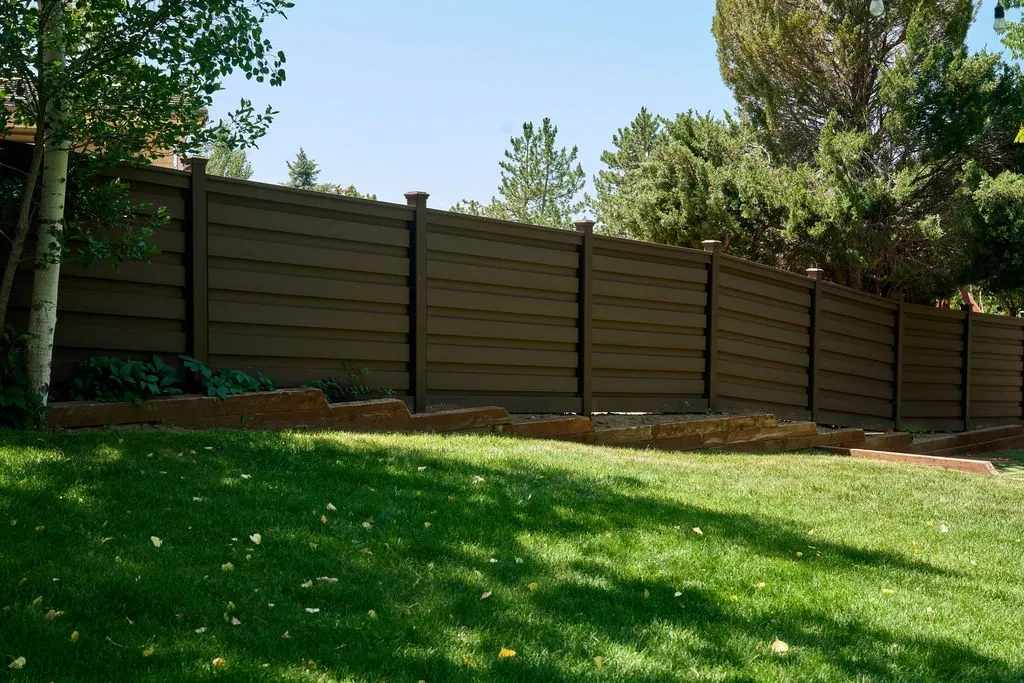
Modern homeowners increasingly choose the horizontal metal fence style for its clean lines and compatibility with landscaped yards. This design works particularly well in tree-rich environments common throughout Raleigh neighborhoods.
Visual Balance Between Nature and Structure
A horizontal metal fence visually complements tree canopies by emphasizing width rather than height. This balance keeps outdoor spaces feeling open rather than enclosed, which is a major reason residential fencing trends have shifted toward horizontal layouts in recent years.
Reduced Contact With Low-Hanging Branches
Horizontal configurations can be installed at heights that minimize interaction with lower branches. Combined with thoughtful spacing, this reduces wear and supports easier metal fence maintenance over time.
Metal Fence Maintenance in Tree-Dense Properties
While metal fences require less upkeep than many alternatives, tree-heavy properties still benefit from proactive care. Homeowners who understand metal fence maintenance early avoid costly repairs later.
Simple Inspections Make a Big Difference
Checking fence lines seasonally for soil movement, root exposure, or branch contact helps preserve long-term performance. These quick inspections are especially important for residential fencing installed near older trees with extensive root systems.
Professional Adjustments Extend Fence Life
When adjustments are needed, working with specialists like Top Rail Fence Raleigh ensures posts, panels, and fasteners remain properly aligned. Midway through ownership, many homeowners consult the company’s metal fencing services page to explore reinforcement or upgrade options that suit evolving landscapes.
What Research Says About Trees and Fence Planning
Certified organizations emphasize planning around root systems rather than cutting through them. According to NC State Extension’s guidance on tree roots and construction impacts, preserving root zones helps prevent long-term damage to both trees and nearby structures. This guidance aligns closely with best practices for residential fencing installations in established neighborhoods, reinforcing why metal systems are often recommended near mature trees.
Rethinking Residential Fencing Before Problems Appear
Many homeowners only reconsider residential fencing after noticing leaning posts or damaged panels, but proactive planning delivers better outcomes. Choosing metal solutions that account for tree growth reduces long-term costs and preserves yard aesthetics. In Raleigh, where tree-lined properties are common, thoughtful fence placement makes a noticeable difference after just one growing season.
Long-Term Value Comes From Smart Design
When metal fence installation is tailored to existing landscapes, homeowners enjoy fewer repairs, lower upkeep demands, and consistent visual appeal. Over time, this approach proves especially valuable in neighborhoods where trees continue to mature year after year.
Plan Your Fence With Nature in Mind
Tree growth does not have to be an obstacle to durable, attractive residential fencing. With the right materials, layout, and professional insight, metal fences can coexist seamlessly with evolving landscapes. If you are planning a new fence or reassessing an existing one, connect with Top Rail Fence Raleigh through the Contact Us page to discuss solutions designed for tree-filled properties and long-term performance in Raleigh.