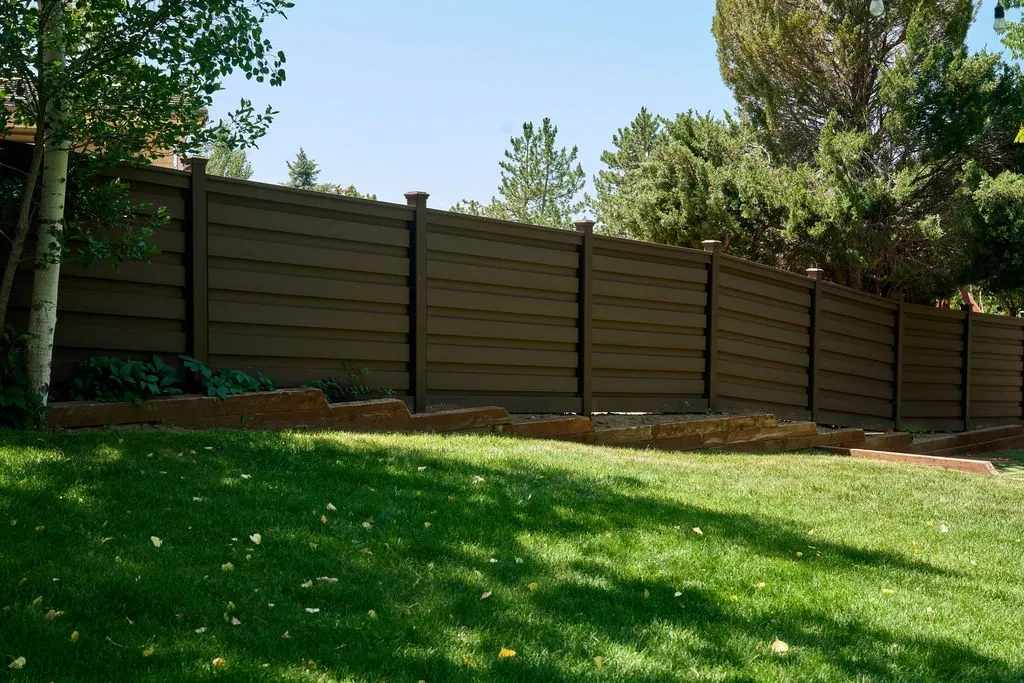
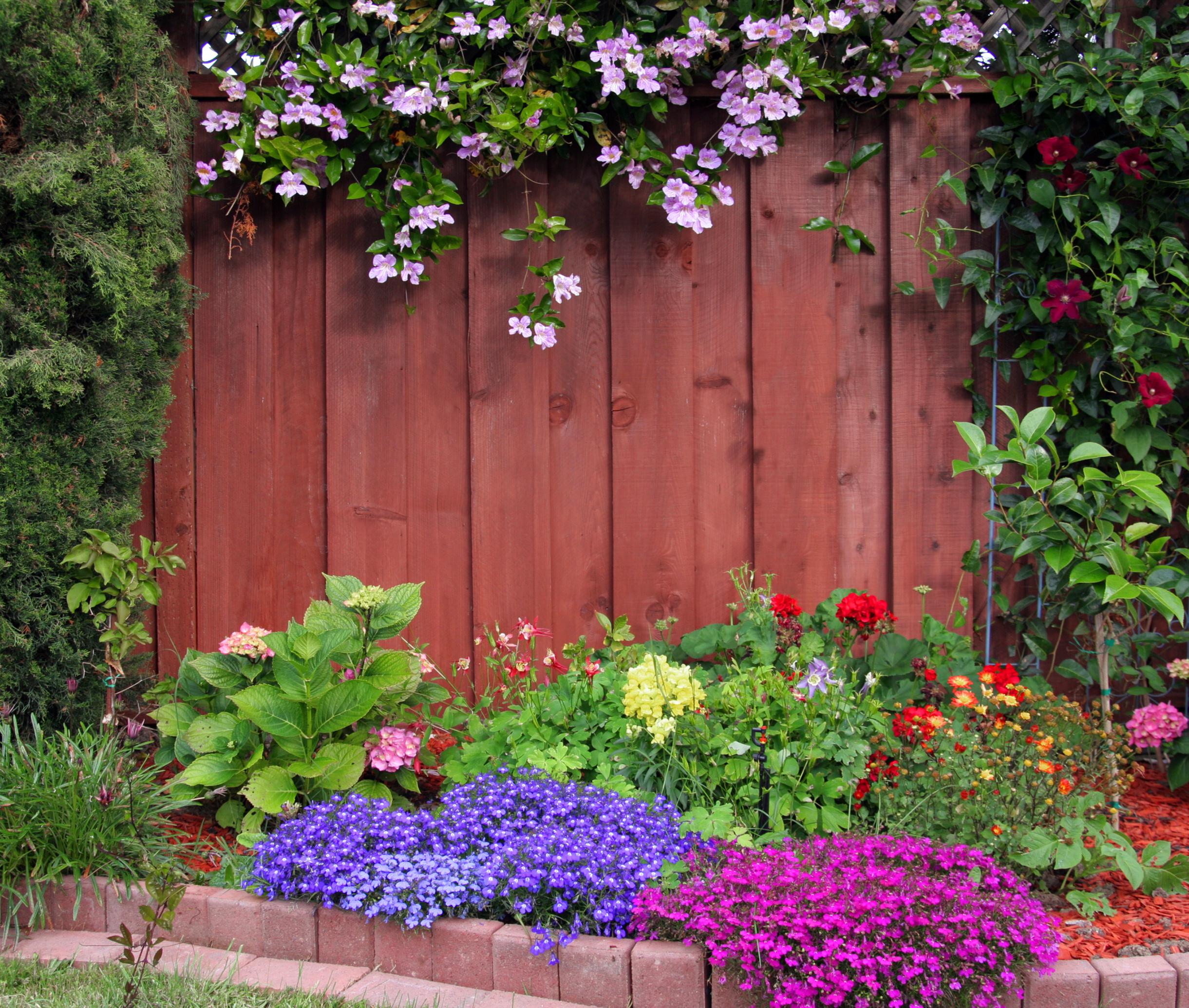
Many Raleigh homeowners approach wood fence installation with confidence, assuming the biggest decisions involve style and budget. The reality often becomes clear only after boards begin to warp, posts loosen, or panels require early fixes. The planning step most homeowners overlook is how the fence will age over time. Before starting fence installation, many residents review options through the Top Rail Fence Raleigh, but long-term planning is what ultimately separates durable fences from those that need constant attention.
Why Planning Matters More Than the Fence Style
A fence that looks perfect on day one can become a source of frustration if long-term performance is not considered. Wood fence installation requires more than choosing a design. It requires understanding soil conditions, moisture exposure, and how the fence will respond to seasonal changes.
Overlooking Soil and Drainage Conditions
One of the most common planning mistakes involves ignoring soil composition. In parts of Raleigh, clay-heavy soil holds moisture, placing extra stress on fence posts. Without proper drainage planning, even well-built fences can shift or rot prematurely. Thoughtful wood fence installation accounts for post depth, gravel backfill, and spacing to reduce future wood fence repair needs.
Assuming All Wood Ages the Same
Homeowners often assume all wood performs similarly, but this is rarely true. Pressure-treated pine, cedar, and redwood respond differently to humidity and temperature shifts. Choosing materials without considering exposure can significantly increase the cost of replacing a wooden fence years earlier than expected.
How Skipped Planning Leads to Early Repairs
The moment homeowners notice leaning posts or cracked boards is often when they realize planning was incomplete. Early wood fence repair is usually a symptom of decisions made before the first post was set.
Improper Post Placement
Fence posts carry the structural load. Poor spacing or shallow placement can cause panels to sag or pull apart. During fence installation, correct measurements and reinforcement reduce long-term repair costs and help the fence maintain alignment over time.
Ignoring Sun and Shade Patterns
Sun exposure affects how wood dries and contracts. Sections of fencing that remain shaded may retain moisture longer, accelerating deterioration. Homeowners who skip this planning step often face uneven aging and frequent wood fence repair in shaded areas.
The Hidden Cost of Replacing Instead of Planning
When planning is rushed, homeowners often underestimate the cost of replacing a wooden fence compared to investing in proper installation upfront.
Repair Costs Add Up Over Time
Repeated wood fence repair can quickly approach the price of a full replacement. Loose boards, leaning sections, and post replacements may seem minor individually, but they compound over years. A well-planned wood fence installation minimizes these recurring expenses.
Replacement Disrupts Property Use
Replacing a fence affects landscaping, pets, and privacy. Many homeowners regret not addressing planning concerns early when they experience the inconvenience of full removal. Understanding the cost of replacing a wooden fence motivates better decisions at the planning stage.
Planning Decisions That Extend Fence Life
Thoughtful planning transforms fence installation from a short-term upgrade into a long-term investment.
Choosing the Right Installation Method
Professional wood fence installation incorporates spacing, sealing, and structural reinforcement tailored to local conditions. Homeowners often review guidance on the wood fencing services page to understand how proper methods reduce long-term maintenance.
Factoring in Maintenance From Day One
Every wood fence requires upkeep, but planning determines how demanding that upkeep will be. Selecting materials and finishes designed for the local climate reduces the frequency of wood fence repair and protects against early degradation.
What Certified Experts Recommend
Certified guidance from the USDA Forest Service Wood Handbook explains how moisture exposure, installation depth, and wood treatment directly impact longevity. These factors are critical during wood fence installation, especially in Raleigh, where soil moisture and seasonal humidity can accelerate deterioration if not planned correctly.
Why Raleigh Homeowners Reevaluate After Repairs Begin
Once repairs start, homeowners often rethink their original decisions. They begin to understand how small planning oversights increased maintenance and accelerated wear.
Learning the Value of Professional Insight
Local expertise matters. Installers familiar with Raleigh soil, weather, and zoning requirements can identify potential issues before construction begins. Many homeowners turn to Top Rail Fence Raleigh after experiencing early repairs, recognizing the value of professional planning.
Turning Repairs Into Better Long-Term Choices
Some homeowners use early wood fence repair as a learning experience, adjusting future projects to prioritize planning. Understanding the true cost of replacing a wooden fence encourages more informed decisions moving forward.
Making the Right Planning Choice From the Start
Planning is not an extra step. It is the foundation of successful wood fence installation. By addressing soil conditions, material selection, and long-term maintenance before fence installation, homeowners avoid unnecessary repairs and extend the life of their investment.
For homeowners seeking guidance tailored to Raleigh, Top Rail Fence Raleigh provides local expertise that helps prevent costly mistakes. If you are preparing for a new project or addressing recurring wood fence repair, connect with professionals who prioritize planning. Visit the Contact Us page to discuss your fencing goals and ensure your next fence is built to last.