Wood fence installation in Raleigh is increasingly influenced by mature tree preservation rules that protect established canopies and root systems. As neighborhoods grow and properties change hands, homeowners planning new boundaries often begin by reviewing local conditions and permitting expectations through the Raleigh fencing location page. These regulations affect where posts can be set, how close fences may run to trunks, and which construction methods minimize impact on protected trees.
Tree preservation is not a minor consideration in this region. Many residential lots feature decades-old oaks, maples, and pines that fall under municipal protection. Understanding how these rules interact with wood fence installation helps homeowners avoid delays, redesigns, and long-term damage to valuable trees.
Why Tree Preservation Plays a Central Role in Fence Planning
Local governments in Raleigh place strong emphasis on protecting mature trees because they contribute to stormwater control, neighborhood character, and long-term property value.
Root protection zones and fence layout
Most tree ordinances establish root protection zones that extend well beyond the visible trunk. These zones limit digging and post placement, directly affecting wood fence installation plans. Fence lines often need to curve or shift to respect these protected areas rather than following perfectly straight property lines.
Permit considerations for existing trees
In some cases, fence permits require confirmation that construction will not harm protected trees. According to guidance from the City of Raleigh Urban Forestry, work near mature trees must minimize soil disturbance and root cutting. This guidance shapes how wood fencing projects are designed and approved.
How Preservation Rules Change Fence Design Expectations
Tree protection does more than restrict placement. It changes how homeowners think about fence style and structure.
Flexible layouts over rigid lines
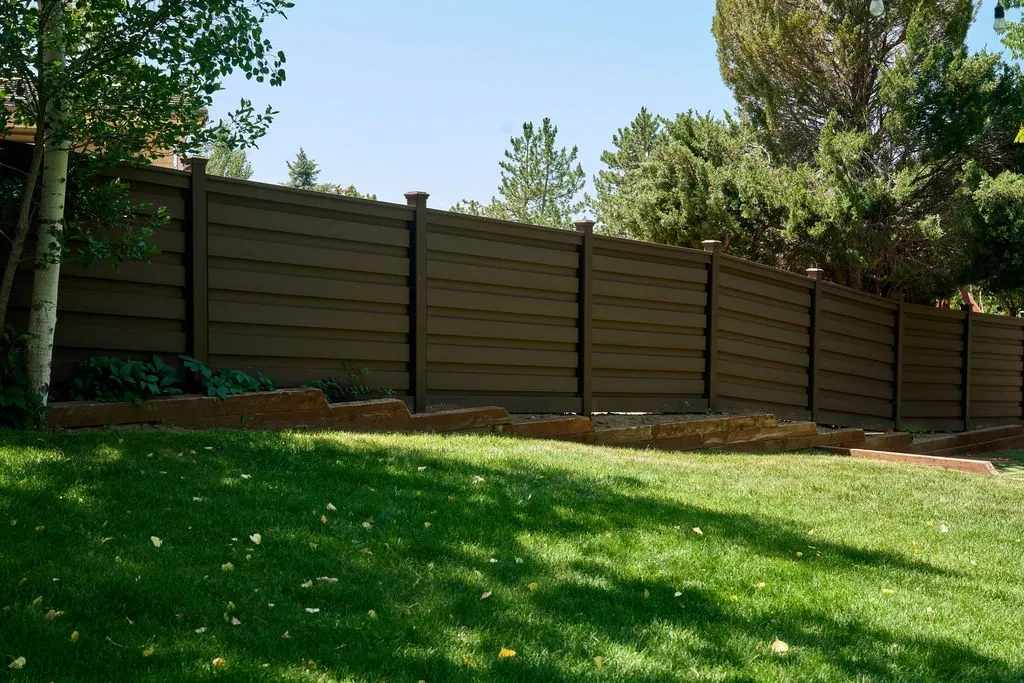
Traditional straight-line fencing is not always feasible around large trees. Wood fence installation now often incorporates subtle angles, stepped panels, or custom spacing to work around trunks and root zones. These adaptations allow homeowners to preserve trees without sacrificing boundary definition.
Height and openness considerations
Dense canopies create shaded areas that retain moisture. In these conditions, certain wood fence types perform better than others. Semi-private and airflow-friendly designs reduce moisture buildup, helping fencing last longer beneath mature trees.
Many homeowners compare design options and materials through the wood fencing services page to identify solutions that work well around existing trees.
Wood Privacy Fence Planning Near Mature Trees
Privacy remains a priority, even when preservation rules apply.
Balancing privacy with tree health
A wood privacy fence can still be achieved near mature trees, but planning is critical. Strategic spacing and thoughtful post placement reduce root disruption while maintaining seclusion. This balance is especially important in older neighborhoods where lots are smaller, and trees are closer to property lines.
Material choices that adapt to shaded environments
Shaded areas created by large trees can accelerate moisture-related wear. Selecting rot-resistant lumber and finishes helps wood fencing perform better in these conditions. Proper sealing also reduces maintenance demands over time.
Homeowners often rely on Top Rail Fence Raleigh to recommend materials that suit shaded, tree-dense properties while meeting local requirements.
Installation Techniques That Respect Tree Preservation Rules
Modern installation methods reflect a growing awareness of environmental impact.
Adjusted post placement methods
Rather than excavating large holes, installers may use techniques that minimize soil disruption within root zones. These methods support healthier trees and align with preservation standards while still delivering secure wood fence installation.
Working with arborists and inspectors
On some properties, consultation with an arborist is recommended before construction begins. This step helps confirm safe distances and acceptable methods, reducing the risk of violations or future tree decline.
Maintenance Planning for Tree-Heavy Properties
Trees influence not only installation but long-term upkeep.
Moisture management and airflow
Leaves, shade, and limited sun exposure affect how fences age. Regular inspections and proactive care help wood fencing remain stable and visually appealing. This makes maintenance planning an essential part of any fencing guide for tree-lined properties.
Root growth over time
Roots continue to expand long after installation. Planning for future growth during wood fence installation reduces the likelihood of shifting posts or uneven panels years later.
Why Local Expertise Matters in Raleigh
Tree preservation rules vary by municipality and neighborhood, making local knowledge invaluable.
Navigating regulations confidently
Experienced professionals understand how preservation requirements apply in different areas of Raleigh. Top Rail Fence Raleigh helps homeowners plan fencing that respects both property goals and environmental standards.
Customized solutions for established landscapes
Every property presents unique challenges. From heritage trees to irregular lot shapes, tailored solutions ensure that wood fence installations align with both regulations and homeowner expectations.
A Practical Fencing Guide for Tree-Conscious Homeowners
Homeowners planning fencing in tree-rich neighborhoods benefit from a thoughtful approach.
Planning reduces complications
Early consideration of tree locations and root zones simplifies design decisions. A well-informed fencing guide helps homeowners anticipate adjustments before construction begins.
Long-term value through preservation
Protecting mature trees enhances curb appeal and environmental value. Fences that work in harmony with trees contribute positively to the overall landscape.
Building Fences That Respect Trees and Property Goals
Mature tree preservation rules have reshaped how wood fence installation is approached in the Raleigh area. From layout flexibility to material selection, these regulations encourage smarter, more adaptive designs that protect both landscapes and investments. Wood fencing remains a versatile and attractive option when planned with tree health in mind.
Homeowners seeking guidance tailored to tree-preservation requirements often turn to Top Rail Fence Raleigh for experienced insight and reliable craftsmanship. If you are planning a fence near mature trees or updating an existing boundary, connect with local experts through the Contact Us page to start a project that respects both your property and the natural landscape of Raleigh.