Planning a successful fence installation in the Triad requires more than picking a style. Soil types, wind exposure, local codes, and long-term use all influence the outcome. If you want local help, start by checking options at our Triad location page. At Top Rail Fence Triad, we assist homeowners with everything from early planning to finished fencing projects.
Define Your Goal Before You Buy Materials
First, ask what you want the fence to do. Your purpose directs the material and build:
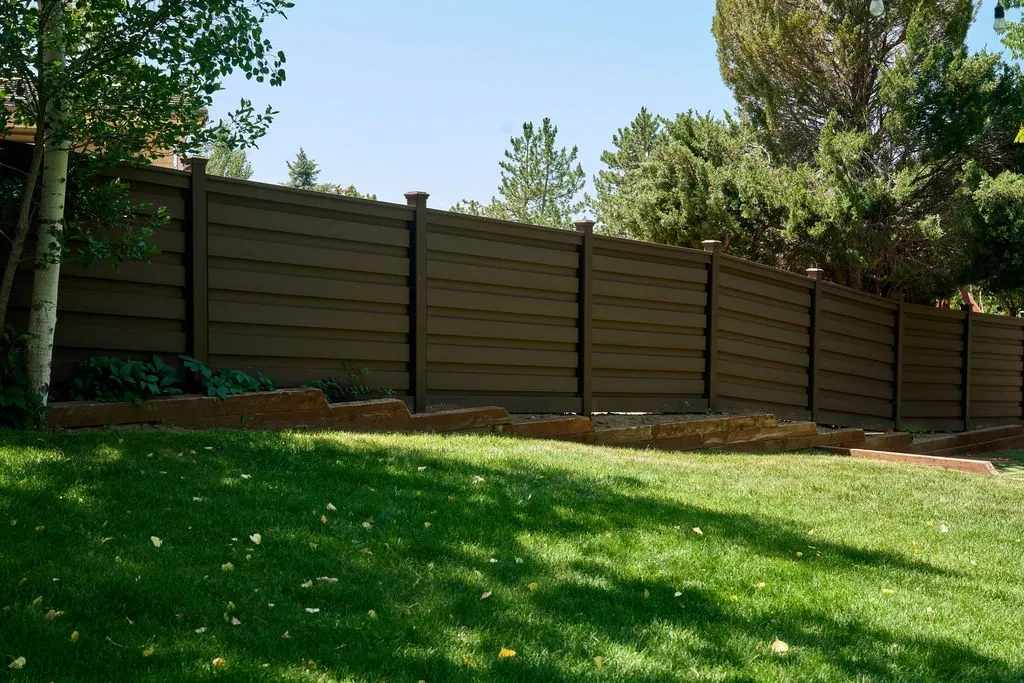
- Privacy and noise reduction generally call for a privacy fence installation.
- Pet or child containment requires secure latching and appropriate height.
- Decorative or boundary fences prioritize curb appeal and low maintenance.
Being clear up front saves money and prevents rework during the installation phase.
Choose Materials That Match the Site and Purpose
Different materials perform better under different conditions, choose accordingly.
Vinyl
Low maintenance and resistant to rot, vinyl fence installation is ideal if you want clean lines and minimal upkeep. Modern vinyl also performs well in wet and humid seasons.
Wood
Classic and customizable, wood offers many wood fence ideas. For long life, pick rot-resistant species or pressure-treated lumber and follow a strict sealing schedule.
Metal (Aluminum/Steel)
Excellent for security and visibility, metal panels suit perimeter fences and ornamental designs. Powder-coated aluminum resists rust and looks polished for years.
Chain link
Budget-friendly and durable for containment; add slats for more privacy if needed.
Match material to the intended use, fences meant to last through storms and heavy use should favor sturdier materials and reinforced posts.
Site Prep: the Step Most People Underestimate
Good fence installation starts before digging. Follow these steps:
- Confirm property lines using a survey to avoid disputes.
- Call utility locators (811) to mark underground lines.
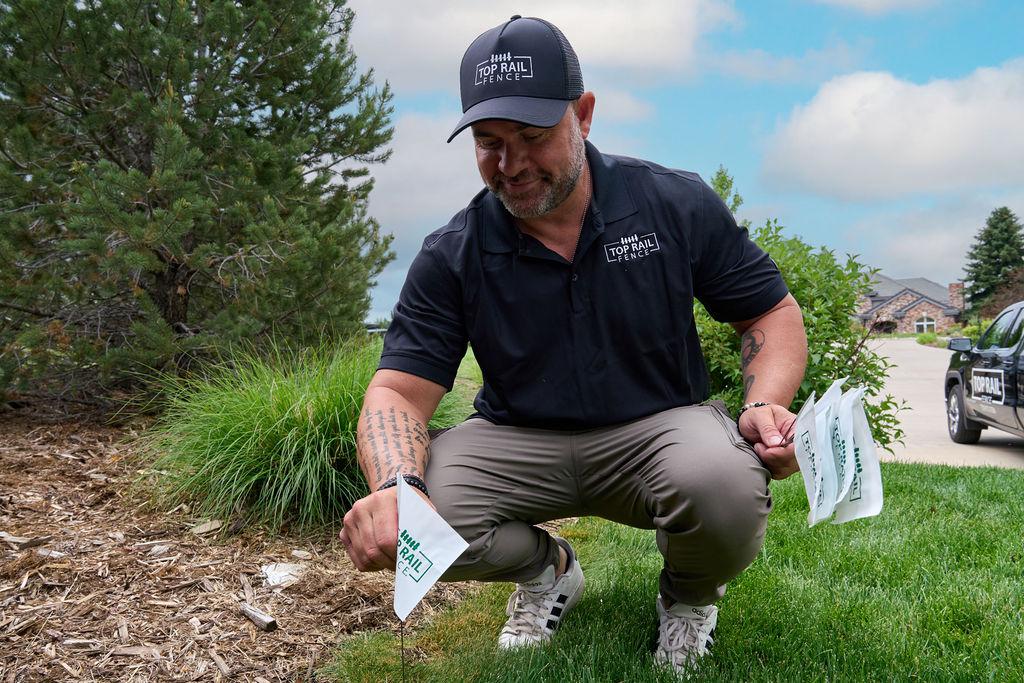
- Flag the final route with string and stakes; account for slopes and drainage.
- Remove obstructions and plan for gate locations and vehicle access.
Proper preparation reduces surprises, keeps the schedule on track, and helps installers execute efficiently.
Installation Techniques That Make Fences Last
Here are practical fence installation tips professionals use to ensure durability:
Deep, anchored posts
Posts should be set at least one-third of their length in the ground with concrete footings, deeper in loose soil. This prevents leaning and increases wind resistance.
Use reinforcement where needed
For long panels or high wind zones, add cross-bracing or steel reinforcement. This is essential for tall privacy panels.
Allow for material movement
Materials expand and contract. Leave small, specified gaps for thermal movement in vinyl and avoid tightly fastening wood to prevent splitting.
Correct fasteners and hardware
Use galvanized or stainless fasteners and robust gate hardware. Hardware corrosion is a common failure point in fencing projects.
For real-world code and permit details relevant to Triad municipalities, this city permit guidance is a practical resource on fence permits and standards.
Maintenance Planning — Built In From Day One
Every fence benefits from a simple maintenance plan. Include this in your project budget:
- Annual inspection for loose fasteners, leaning posts, or cracked boards.
- Reseal or restain wood every 2–3 years depending on exposure.
- Clean vinyl with mild detergent and water to remove pollen and grime.
- Lubricate gate hardware and tighten brackets annually.
If you prefer, Top Rail Fence Triad offers ongoing fence services and maintenance packages to keep installations performing well for decades, see our installation and service options for details.
Common Pitfalls and How to Avoid Them
- Building without a permit. Always check local codes and HOA rules.
- Poor post depth or concrete mix. Follow structural recommendations.
- Ignoring drainage and vegetation, which cause rot and settlement.
- Choosing a style without considering wind loads; tall, solid panels need reinforcement.
Address these early and your fence will remain functional and attractive far longer.
Final Steps: Gates, Inspections, and Paperwork
When installation finishes, verify gate alignment and latch operation, confirm final measurements match plans, and keep permit paperwork and warranties for future buyers or inspections. If your project requires inspections or permits, your contractor should coordinate those on your behalf.
Top Rail Fence Triad helps homeowners navigate permits, design, and execution for lasting results. Reach out via our Contact Us page when you’re ready to book a consultation. We handle fencing projects of every size and provide expert installation guidance from start to finish.