Installing a fence on a sloped yard can be tricky, but with the right fence installation techniques, your property in the Triad can enjoy both beauty and durability. Whether you’re improving privacy, enhancing curb appeal, or marking property lines, learning how to handle uneven terrain makes all the difference. In this guide, we’ll cover the most effective fence installation tips and show how professional expertise ensures a lasting result.
Understanding the Challenges of Sloped Yard Fence Installation
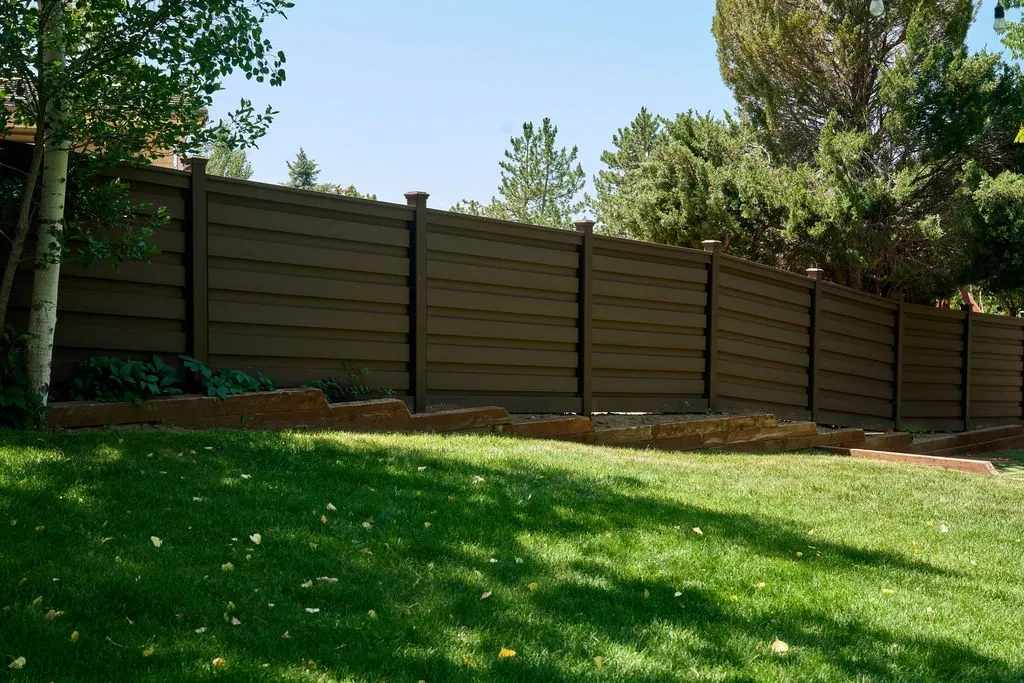
Yards in the Triad often feature rolling hills and gentle slopes that make fence installation more complex than flat terrain. Uneven land creates gaps under panels, misaligned posts, and structural weaknesses if not handled correctly. The two main installation methods for sloped yards are stepped fencing and racked fencing.
Stepped fencing keeps each panel level, creating a stair-step pattern. It works best with solid fences that prioritize privacy. Racked fencing, on the other hand, adjusts the rails to follow the land’s angle, creating a smoother, more natural flow. Experienced residential fence builders use the right approach depending on the slope’s grade and soil condition to ensure strength and style.
How Proper Planning Prevents Costly Mistakes
One of the biggest fence issues on sloped terrain is poor planning. Before starting any fence installation, it’s important to survey your yard and determine the degree of slope. Failing to do this may lead to gaps, uneven sections, or unnecessary material waste. Professionals like those at Top Rail Fence Triad always recommend consulting a local fencing expert for proper measurements and design recommendations.
As part of your fence services, planning should include checking zoning laws and local HOA requirements in the Triad. Fence height and property line rules vary across neighborhoods, so confirming compliance early helps avoid costly rework later.
Choosing the Right Materials for Sloped Terrain
Material selection plays a major role in fence stability and longevity. For sloped yards, lighter materials like aluminum or vinyl are often ideal since they can easily adapt to angled ground. Wood can also work well if properly treated and installed with accurate alignment.
Metal fencing, for instance, combines flexibility and durability, perfect for sloped installations in the Triad’s humid climate. For deeper insight into material comparisons, you can check this detailed resource on fence material options.
Installation Techniques for Sloped Yards
Different slopes require unique methods to ensure fence stability. Below are common approaches professionals use when handling varied elevations:
1. Racked Installation
This method adjusts the pickets and rails to follow the land’s contour. It’s ideal for smaller slopes and maintains a clean, consistent line across the yard.
2. Stepped Installation
With this technique, each panel is set at a different height, resembling steps. It provides better privacy and stability for steeper slopes.
3. Hybrid Approach
Some areas may combine both methods, racking where the slope is mild and stepping where it becomes steep. This ensures consistent performance while balancing aesthetics.
Experts from Top Rail Fence Triad emphasize that choosing the right technique depends on the slope grade, soil density, and fencing type. If unsure, consulting local residential fence builders is always a smart step.
Top Fence Installation Tips for Uneven Ground
Achieving a flawless fence installation on uneven terrain requires attention to detail. Here are key tips to ensure lasting results:
- Mark boundaries accurately using a string line or professional surveyor tools.
- Space your posts evenly, even if the ground changes elevation.
- Dig deeper post holes in downhill areas to maintain balance.
- Use gravel for drainage before adding concrete to prevent water damage.
- Trim or modify fence panels carefully to fit the slope instead of forcing them into alignment.
When to Hire Professional Fence Services
While DIY projects can be rewarding, sloped yards pose unique challenges. Misaligned posts, water runoff, or soil instability can cause fences to lean or break prematurely. Hiring professional fence services in the Triad guarantees that your fence not only looks good but also stands strong for years.
Companies like Top Rail Fence Triad partner with certified residential fence builders who specialize in complex terrain installations. They handle everything, from property assessment to material selection and permit approvals, saving homeowners time and stress.
For reliable professionals near you, visit the Triad Location Page or Contact Us to request an estimate today.
Enhancing Design and Functionality on Sloped Yards
Beyond structure, fence design should enhance your property’s appearance. Mixing materials, such as wood posts with metal panels, can elevate aesthetics while improving resilience. Adding lattice tops, post caps, or built-in lighting also boosts curb appeal.
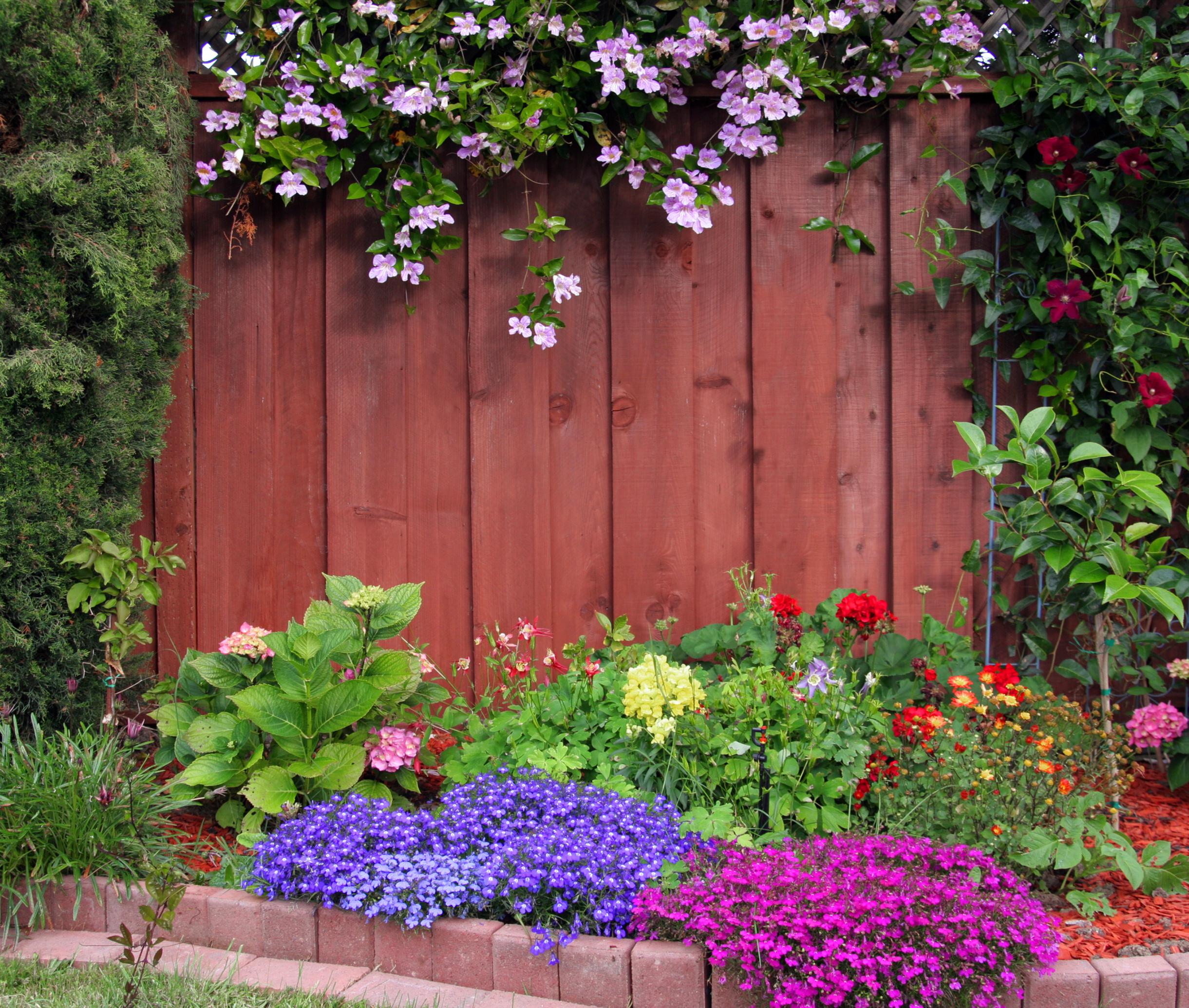
Incorporating landscaping along your fence line softens sharp slope transitions and creates a balanced, natural look. For more inspiration, check out our recent article on Fence Design Ideas for creative and functional layouts.
Conclusion
Installing a fence on a sloped yard in the Triad takes precision, planning, and the right expertise. Whether you opt for racked fencing, stepped fencing, or a hybrid design, proper preparation ensures your investment lasts for years. For homeowners seeking a professional touch, Top Rail Fence Triad offers dependable fence services designed for every terrain.
To get started with your fence installation, request a consultation through our Contact Us page and discover how a properly installed fence can redefine your sloped yard’s look and functionality.