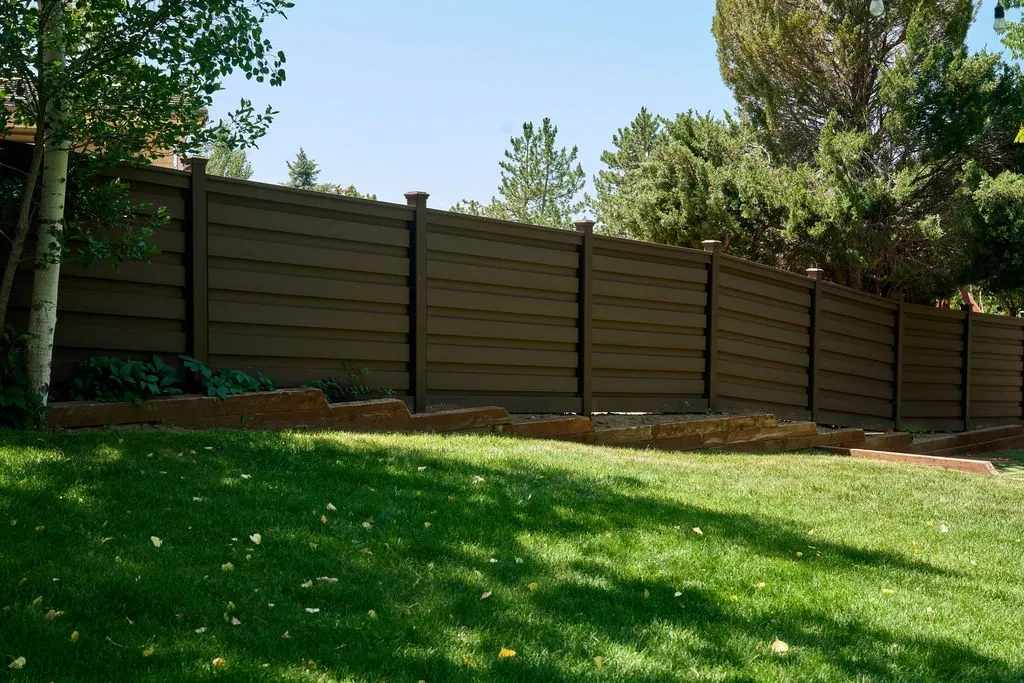
Homeowners across the Triad are noticing a growing challenge as deer populations adapt to suburban environments. Traditional fencing often fails to slow or redirect these animals, leading to damaged landscapes and ongoing frustration. Choosing the right deer fence installation approach can significantly influence how deer move through your property and whether they view your yard as a barrier or an open pathway. With thoughtful planning and professional fence installation, property owners can reduce deer traffic while preserving curb appeal and functionality. Many homeowners begin by exploring trusted local options such as Top Rail Fence Triad service areas to understand solutions designed for regional deer behavior.
Understanding How Deer Navigate Residential Areas
Deer are highly observant animals that learn patterns quickly. They remember where they can jump, squeeze through, or move comfortably without feeling threatened.
Visual Depth and Line of Sight
Deer rely on depth perception when approaching obstacles. Fence designs that clearly show height and spacing are easier for deer to assess and jump. Strategic deer fencing designs reduce visual clarity, making deer less confident about crossing.
Pressure Points and Natural Travel Routes
In the Triad, deer often follow tree lines, drainage paths, and quiet property edges. Installing fencing that aligns with these routes rather than cutting across them unpredictably helps guide deer away from vulnerable areas.
Fence Design Features That Influence Deer Behavior
Not all fences discourage deer movement. The structure, spacing, and overall layout play a major role in effectiveness.
Height and Angled Profiles
A properly planned deer fence installation often focuses on perceived height rather than just measurements. Slanted or double-layer fence layouts can make a fence appear taller and more difficult to clear, even at moderate heights.
Spacing and Material Visibility
Tight vertical spacing can confuse depth judgment, while flexible materials reduce rebound confidence when deer test boundaries. Selecting appropriate deer fence styles helps ensure the fence discourages repeated attempts.
Choosing Fence Styles That Work With the Landscape
Effective fencing should integrate naturally into the property rather than disrupt its appearance.
Black Mesh and Wire Systems
Low-visibility mesh fences are popular because they blend into wooded backdrops. These deer fence styles minimize visual clutter while still providing an effective barrier when installed correctly.
Hybrid Fence Solutions
Combining decorative fencing near living areas with taller deer barriers along property edges allows homeowners to balance aesthetics and protection. This approach is especially effective when paired with professional guidance from Top Rail Fence Triad, ensuring consistency across the entire layout.
Planning Considerations Before Fence Installation
Every property presents unique challenges, and planning is critical to long-term success.
Local Terrain and Soil Conditions
Uneven ground, slopes, and soft soil can weaken fence performance if not addressed during fence installation. Proper post placement and reinforcement help maintain structural integrity over time.
Neighborhood Guidelines and Regulations
Some neighborhoods in the Triad have fencing guidelines related to height and placement. Reviewing these early helps avoid costly adjustments later. Resources from organizations like the North Carolina Wildlife Resources Commission provide insight into deer behavior and coexistence strategies supported by state experts.
Why Professional Installation Makes a Difference
DIY solutions often overlook subtle design details that affect deer movement. Professional installers understand how deer test fences and where weaknesses typically appear.
Precision Placement and Alignment
A professional deer fence installation ensures consistent tension, proper spacing, and secure anchoring. These details reduce sagging and prevent deer from exploiting gaps over time.
Long-Term Durability and Maintenance
Experienced teams anticipate weather exposure and soil movement common in the Triad. Working with Top Rail Fence Triad provides homeowners with durable solutions that maintain effectiveness season after season.
Adapting Fence Design as Deer Patterns Change
Deer behavior evolves, especially in growing residential areas. Flexible fence designs allow for future adjustments without complete replacement.
Expanding or Reinforcing Existing Fencing
Homeowners can extend fencing along newly identified travel routes or reinforce sections that receive frequent pressure. Planning adaptable deer fencing systems helps protect investments long term.
Monitoring Movement and Making Adjustments
Observing deer activity after installation provides valuable feedback. Small modifications to height, spacing, or layout can significantly improve results without major construction.
Protecting Your Property With a Smarter Fence Strategy
The right fence design does more than block access. It changes how deer perceive and move around your property. Thoughtful deer fence installation paired with proven deer fence styles helps homeowners in the Triad regain control of their outdoor spaces while maintaining a natural look.
For property owners ready to take the next step, working with Top Rail Fence Triad ensures expert planning and reliable execution tailored to local conditions. To explore options or schedule a consultation, visit the Contact Us page and get guidance on fencing solutions designed to redirect deer movement effectively.