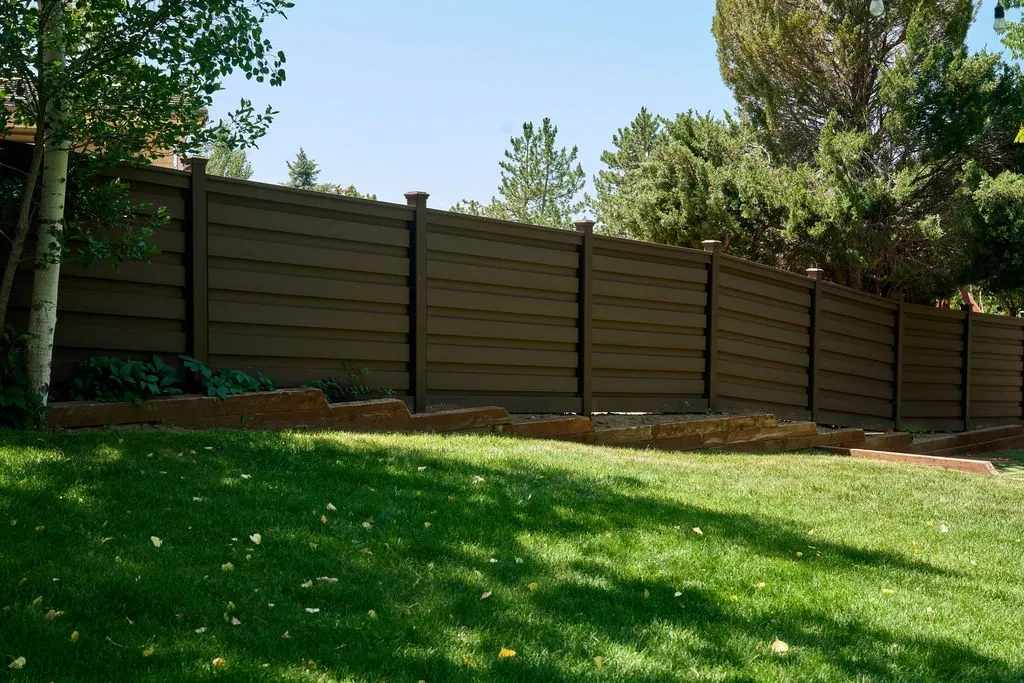
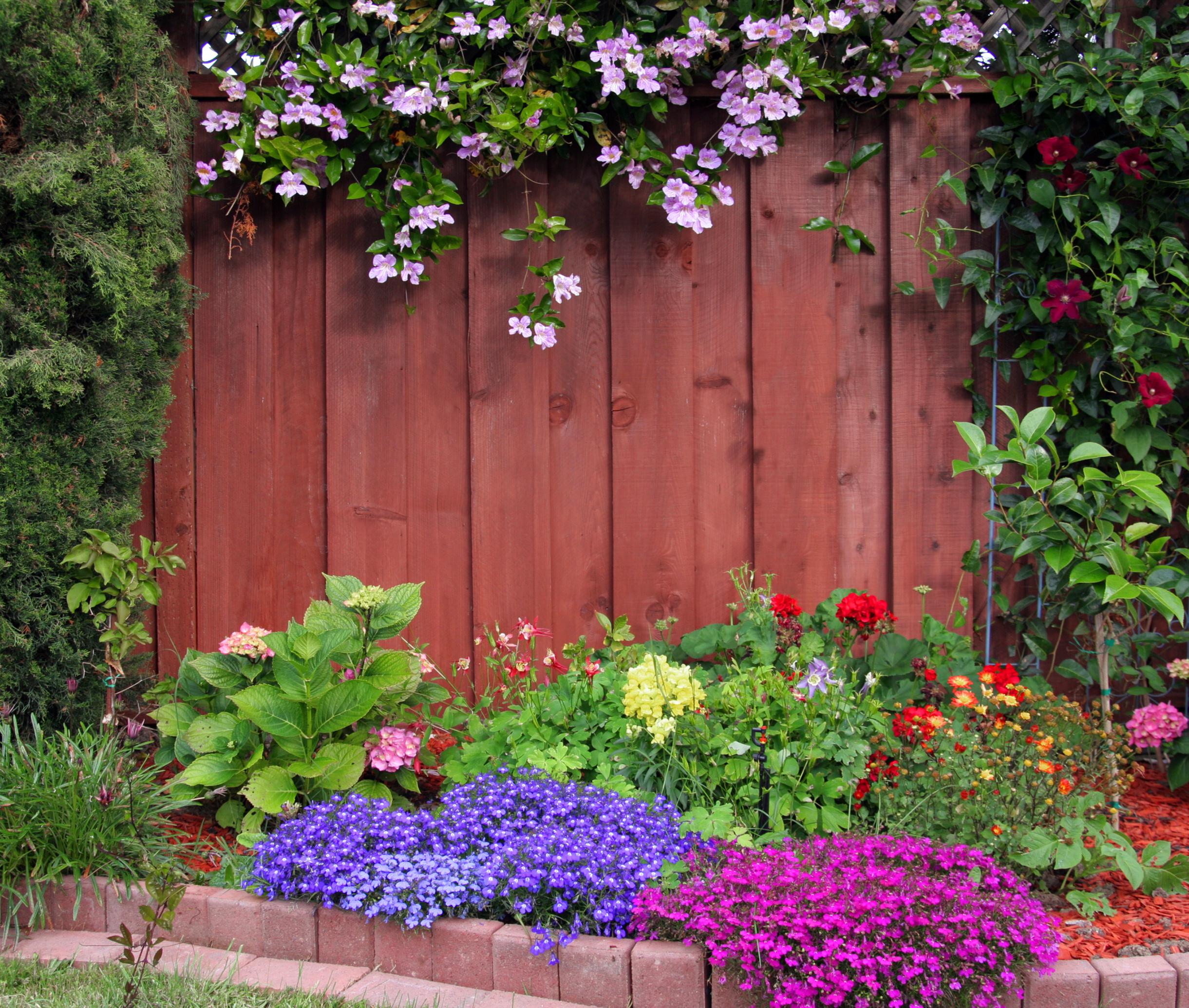
Across the Triad, changing development patterns and evolving homeowner priorities are redefining how property boundaries are viewed. As neighborhoods transition from large open parcels to more compact residential layouts, expectations around clarity, aesthetics, and permanence have increased. This shift is driving renewed demand for wood fence installation solutions that balance precision, flexibility, and visual appeal.
Many homeowners exploring residential fencing in the Triad are discovering that traditional assumptions about fence placement no longer apply. Property surveys, shared driveways, and zoning adjustments all play a role in why modern wood fence installation must be approached with greater care than ever before.
How Boundary Awareness Has Changed in the Triad
Older neighborhoods in the Triad often relied on informal boundary markers such as tree lines or natural grade changes. Newer developments prioritize clearly defined property lines that align with legal documentation and neighborhood planning standards.
This shift has made fencing less about marking territory and more about creating functional transitions between properties. Homeowners now expect fences to reflect accurate placement while still complementing surrounding homes.
The Role of Wood Fence Installation in Boundary Accuracy
Modern wood fence installation practices are designed to adapt to these changing expectations. Precision matters more today than it did in past decades, especially when property lines run close to neighboring structures or shared access areas.
Survey-Aligned Installation Practices
Professional installers increasingly work from updated surveys rather than visual assumptions. This ensures that wood fence installation aligns with legal boundaries, reducing future disputes and maintaining neighborhood harmony.
Flexible Layout Adjustments
Wood fencing allows slight design adjustments to accommodate irregular lot shapes. This flexibility makes it easier to respect setback requirements while still creating a clear and attractive boundary.
Why Wood Fence Designs Are Evolving
As boundary expectations shift, wood fence designs are changing to reflect both function and aesthetics. Homeowners want fences that feel intentional rather than imposed.
Transitional Fence Profiles
Designs that soften the boundary line, such as alternating board patterns or semi-open panels, are becoming more popular. These wood fence designs maintain separation while preserving visual openness.
Height and Visibility Considerations
Height restrictions vary across the Triad, influencing how fences are designed and installed. Modern wood fence installation accounts for these rules while still delivering privacy where needed.
Fence Services Must Adapt to Residential Growth
Expanding residential development has increased demand for adaptable fence services that address both installation and long-term planning. Homeowners are no longer seeking one-size-fits-all solutions.
Midway through planning, many residents review wood fence installation guidance available through professional fence services to ensure their projects align with neighborhood standards and future property needs.
Residential Fencing as a Design Element
Today’s residential fencing is expected to contribute to curb appeal rather than detract from it. Wood remains a preferred material because it blends naturally into varied architectural styles found throughout the Triad.
According to land use insights from NC State Extension, clearly defined boundaries help reduce conflicts while supporting long-term neighborhood planning, reinforcing why thoughtful fence placement is increasingly important.
Installation Choices That Support Long-Term Adaptability
Choosing the right wood fence installation approach helps homeowners accommodate future changes such as property sales, landscaping updates, or zoning revisions.
Post Placement and Adjustability
Strategic post spacing allows sections to be modified or repaired without disturbing the entire fence line. This adaptability is especially valuable in neighborhoods experiencing gradual redevelopment.
Material Selection and Longevity
Pressure-treated wood remains a reliable choice for residential fencing in the Triad due to its durability and compatibility with evolving wood fence designs.
Why Homeowners Are Rethinking Fence Purpose
Fences are no longer viewed solely as barriers. They serve as visual cues, privacy screens, and design features that reflect changing property expectations. Professional fence services help homeowners navigate these evolving priorities while ensuring compliance and durability.
Many property owners turn to Top Rail Fence Triad for insight into how modern wood fence installation can adapt to shifting boundary norms without sacrificing style or function.
Planning for Clear Boundaries Without Conflict
Successful fence projects begin with understanding both property lines and neighborhood context. Clear communication, accurate measurements, and thoughtful design reduce misunderstandings and enhance long-term satisfaction.
By selecting experienced installers and adaptable wood fence designs, homeowners can create boundaries that feel intentional rather than restrictive.
Moving Forward With Confidence
As property line expectations continue to evolve across the Triad, wood fence installation remains one of the most effective ways to establish clarity while enhancing residential environments. With the right planning and professional support, fences can adapt to change rather than resist it.
Homeowners ready to explore their options can connect through the Contact Us page to discuss customized residential fencing solutions tailored to their property. With guidance from Top Rail Fence Triad, modern fence services help ensure boundaries are defined clearly, attractively, and with long-term flexibility in mind.