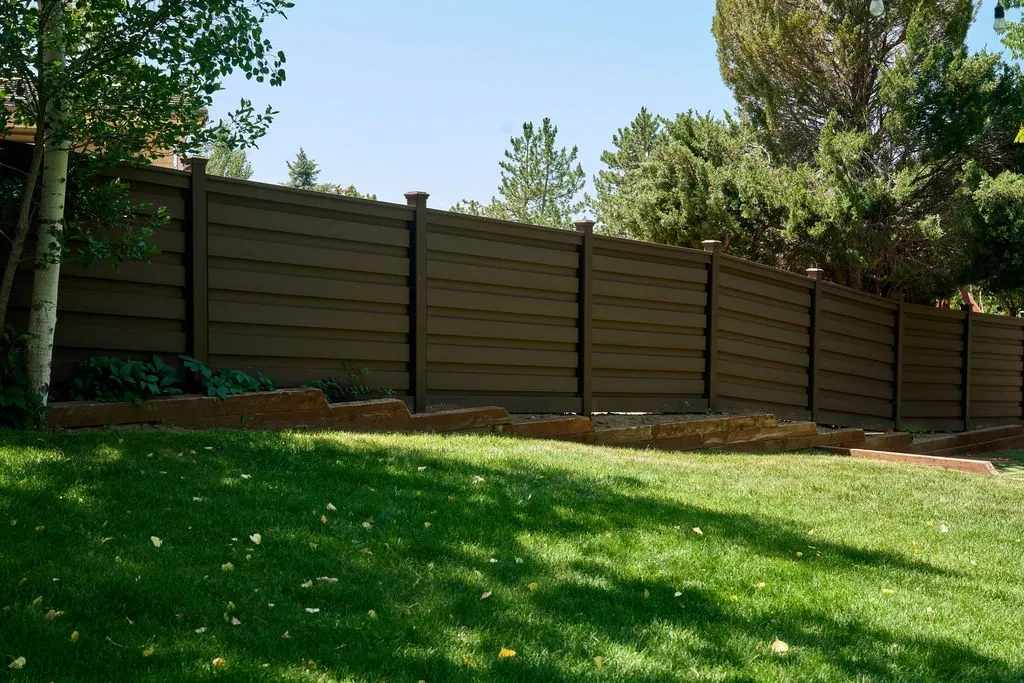
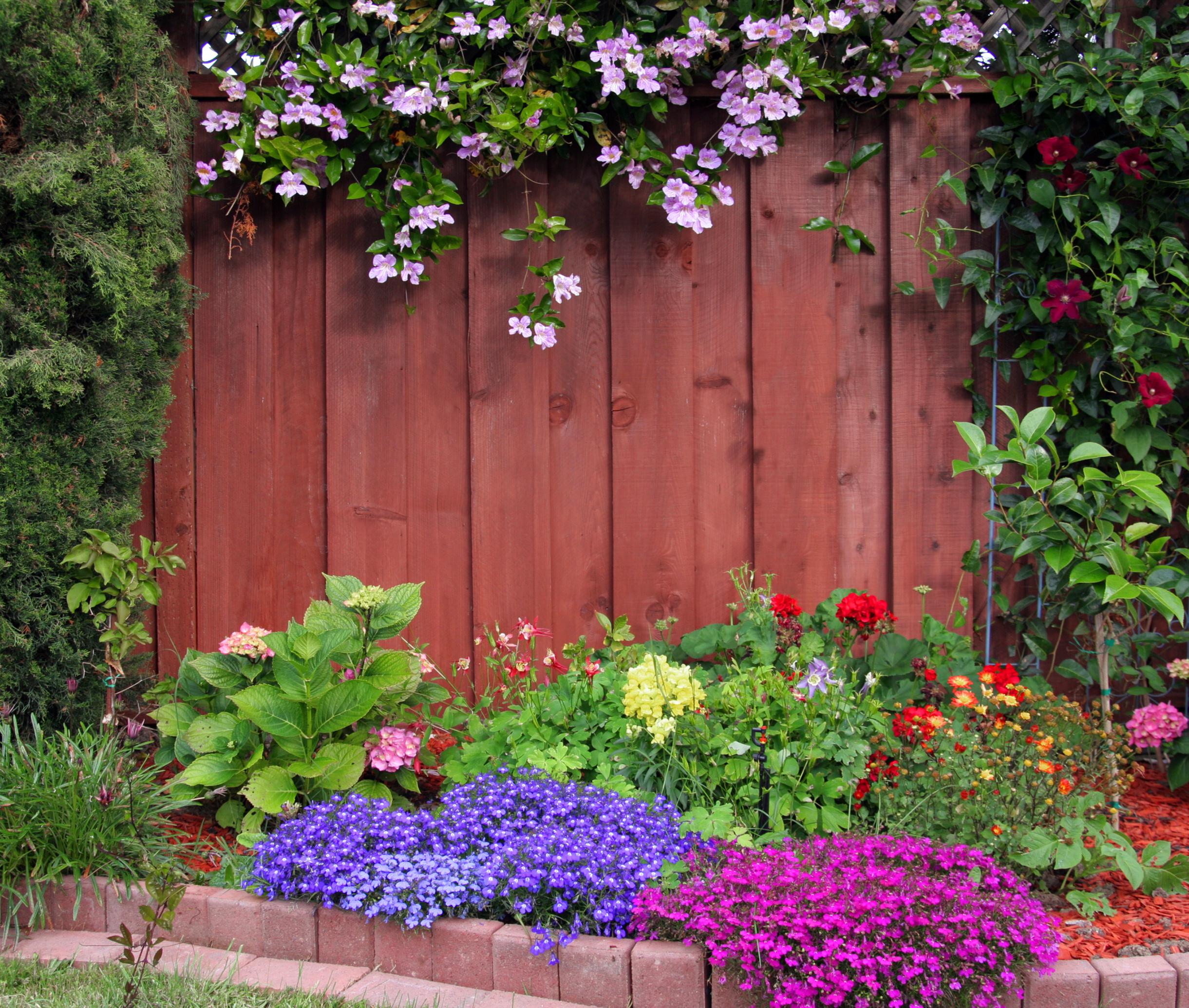
The Triad region is known for its mature tree canopy, shaded neighborhoods, and mixed residential landscapes. While this greenery adds charm and environmental value, it also creates conditions that quietly influence fencing performance. Homeowners investing in cedar fence installation are often surprised by how surrounding tree density affects longevity, appearance, and maintenance expectations.
Many property owners researching wood fencing solutions in the Triad are discovering that cedar fence installation responds uniquely to shaded, moisture-balanced environments. Understanding these conditions helps homeowners make smarter decisions about materials, layout, and long-term care.
How Tree Coverage Shapes Fence Behavior Over Time
Unlike open or sun-exposed regions, the Triad’s blend of urban streets and wooded lots creates variable microclimates. These conditions impact how wood absorbs moisture, dries out, and resists biological stress.
Cedar naturally contains oils that protect against decay, making cedar fencing particularly well-suited for areas where airflow and sunlight fluctuate throughout the day.
Why Cedar Excels in Shaded Residential Settings
Cedar’s cellular structure allows it to handle humidity changes better than many other wood species. In neighborhoods where trees limit direct sunlight, cedar fence installation benefits from consistent moisture regulation without trapping excessive dampness.
Natural Resistance to Moisture Retention
Cedar’s oils help prevent prolonged water absorption. This matters in shaded yards where dew lingers longer in the morning and soil stays cool.
Reduced Risk of Surface Degradation
Compared to other materials, cedar fencing is less prone to surface splitting when exposed to alternating shade and filtered sun.
Cedar Fence Panels and Airflow Considerations
Design choices play a critical role in long-term fence performance. Selecting the right cedar fence panels can improve airflow while maintaining privacy.
Panel Spacing and Layout
Slight spacing between boards allows air to circulate, reducing moisture buildup near the base of the fence. This design approach supports both durability and appearance.
Height Adjustments Near Tree Lines
Lower fence heights in heavily shaded areas can help reduce persistent dampness. Thoughtful wood fence installation accounts for nearby vegetation rather than working against it.
Soil Conditions and Post Stability
Tree-dense areas often have root-rich soil. This affects how fence posts should be set to ensure stability without disturbing the surrounding landscaping.
Professionally planned cedar fence installation considers soil compaction and drainage patterns before posts are installed, reducing long-term shifting.
Cedar Compared to Other Wood Options
Not all wood performs equally in shaded environments. Cedar stands out because it balances strength with adaptability.
According to guidance from the USDA Forest Products Laboratory, cedar’s natural decay resistance makes it suitable for environments with variable moisture exposure, which aligns well with typical Triad conditions.
Installation Techniques That Support Longevity
Successful cedar fence installation is not just about materials. Technique matters just as much.
Elevated Bottom Clearance
Keeping panels slightly above soil level prevents constant contact with moisture and organic debris.
Sealed Post Bases
Sealing the portion of posts that sit below grade helps extend fence life, especially in areas where leaf litter accumulates.
Midway through the project, many homeowners explore related wood fence installation options available through professional installers to ensure their cedar fence aligns with property conditions and long-term goals.
Maintenance Expectations in Tree-Dense Neighborhoods
Cedar requires less maintenance than many wood alternatives, but shaded environments still benefit from periodic care.
Light cleaning to remove pollen and leaf residue helps preserve the wood’s appearance. Occasional sealing enhances color retention without trapping moisture.
Homeowners who work with Top Rail Fence Triad often appreciate how cedar adapts gracefully to evolving landscapes without demanding constant upkeep.
Aesthetic Benefits of Cedar in the Triad
Beyond performance, cedar complements the Triad’s architectural diversity. Its natural tones blend seamlessly with brick homes, traditional siding, and landscaped yards.
Custom cedar fence panels can be tailored to match property contours, creating a cohesive look rather than a rigid boundary.
Planning for Long-Term Environmental Interaction
Trees grow, shade patterns shift, and landscapes evolve. A well-planned cedar fence installation anticipates these changes instead of reacting to them later.
Design flexibility allows sections to be modified or repaired without disrupting the entire fence line, which is especially valuable in established neighborhoods.
Choosing the Right Partner for Cedar Projects
Material selection is only one part of the equation. Experienced installers understand how local environmental factors influence outcomes.
Homeowners seeking expert guidance often turn to Top Rail Fence Triad for insight into how cedar fencing performs across different property types and layouts.
Bringing It All Together
The Triad’s tree density quietly shapes how fences age, breathe, and endure. Cedar fence installation responds exceptionally well to these conditions, offering resilience without sacrificing visual appeal.
When installed thoughtfully, cedar becomes more than a boundary. It becomes a natural extension of the landscape.
Homeowners ready to plan their next project can start by visiting the Contact Us page to discuss custom wood fence installation options. With the support of Top Rail Fence Triad, cedar fences are designed to perform beautifully within the unique environmental rhythm of the Triad.