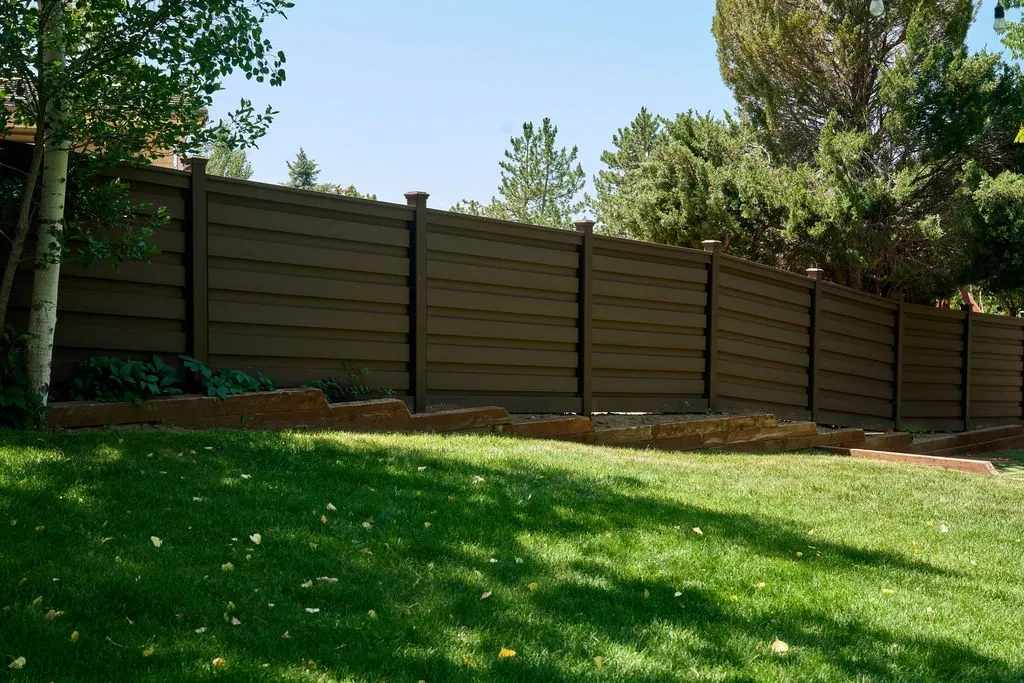
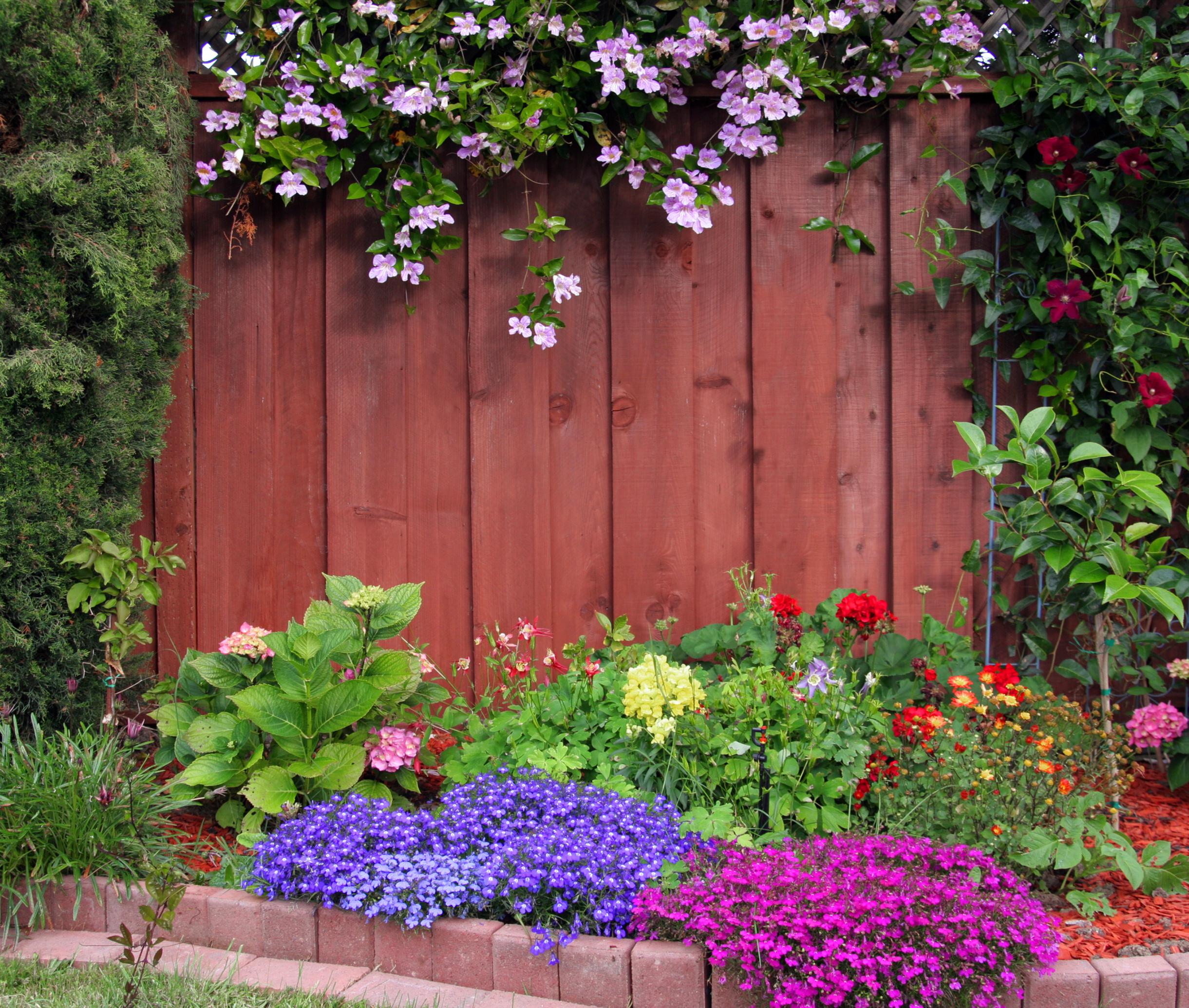
Spring in the Triad often brings steady rainfall, saturated soil, and pooling water that can quietly affect fencing structures. After prolonged storms, homeowners who have invested in Top Rail Fence Triad services should take time to inspect their cedar fence installation from the ground up. While cedar is naturally resilient, even the most durable cedar wood fence can experience stress when soil conditions shift or drainage patterns change.
A proactive inspection helps preserve the longevity of your cedar privacy fence and protects the integrity of your wood fence installation. Rain does not typically damage cedar boards directly, but waterlogged soil, erosion, and improper runoff can compromise post stability. Understanding what to look for after heavy rainfall allows homeowners in the Triad to prevent minor concerns from becoming structural repairs.
Why Spring Rains Impact Fence Foundations
Excess rainfall affects more than surface-level landscaping. When soil becomes saturated, it expands and softens. Fence posts set into that soil may loosen slightly as water displaces compacted ground. Over time, repeated cycles of saturation and drying can create subtle leaning or gaps.
A professionally completed cedar fence installation accounts for regional soil conditions, but seasonal weather still warrants inspection. Checking post alignment and ground firmness ensures your cedar wood fence continues performing as intended.
Signs of Soil Movement Around Posts
Walk along the fence line and examine the base of each post. Look for visible gaps between soil and wood or signs that water has pooled and receded. If you notice soil erosion exposing part of the post, it may be time for reinforcement.
A stable wood fence installation should feel firm when gently pushed. Slight movement may indicate soil compaction issues rather than material failure. Addressing this early prevents strain on rails and pickets.
Inspecting Cedar Boards After Moisture Exposure
Cedar naturally resists decay thanks to its internal oils, making it a reliable choice for cedar privacy fence applications. However, prolonged moisture exposure still requires attention.
Checking for Surface Changes
After heavy rain, examine boards for discoloration, swelling, or raised grain. While minor texture changes are normal, consistent sealing protects your cedar fence installation from absorbing excess moisture.
If sections appear darker or remain damp long after rainfall, drainage improvements may be needed near that portion of the yard.
Evaluating Fasteners and Hardware
Rain can accelerate corrosion if low-quality hardware was used. High-grade fasteners help secure cedar wood fence panels even when the wood expands slightly. Confirm that nails or screws remain flush and tight against boards.
Drainage Patterns and Their Effect on Privacy Fences
Water runoff is often the hidden factor affecting fence performance. A cedar privacy fence installed on a slope or near downspouts may face concentrated water flow.
Redirecting Downspouts and Runoff
Ensure that roof drainage systems direct water away from fence lines. Persistent pooling near posts weakens soil structure. Simple grading adjustments can protect your cedar fence installation from long-term instability.
For homeowners wanting deeper insight into managing rainwater around structures, the North Carolina Cooperative Extension provides helpful guidance through NC State Extension, including recommendations for drainage and soil management relevant to the Triad region.
Post Depth and Stability Checks
A critical element of any wood fence installation is post depth. Heavy spring rains test whether posts were set deeply enough to withstand saturated soil.
Measuring Alignment
Stand at one end of your fence and visually inspect the line of posts. They should form a straight, even row. Leaning posts may indicate shifting soil beneath the surface. Prompt evaluation prevents stress from spreading to adjacent panels.
If you suspect deeper structural concerns, exploring professional support through cedar wood fence services ensures your fence remains secure and visually consistent.
Reinforcing Compromised Sections
In some cases, adding compacted soil or reinforcing concrete around affected posts restores stability. A properly executed cedar fence installation allows for localized adjustments without dismantling entire sections.
Seasonal Maintenance for Long-Term Performance
Routine care extends the lifespan of your cedar privacy fence, particularly after heavy rainfall.
Cleaning After Storm Debris
Remove leaves and debris that collect along the base of the fence. Organic buildup traps moisture and encourages mildew. Gentle washing helps maintain the appearance of your cedar wood fence while allowing air circulation to dry boards thoroughly.
Resealing and Protecting Wood
Applying a quality sealant annually shields cedar from repeated moisture exposure. Even though cedar resists rot naturally, sealing enhances durability and preserves its warm color.
Homeowners who work with Top Rail Fence Triad often receive tailored maintenance advice specific to local weather patterns, ensuring their wood fence installation remains strong through unpredictable spring conditions.
Protecting Property Value in the Triad
A well-maintained cedar fence installation contributes to both privacy and curb appeal. In neighborhoods across the Triad, clean, upright fences signal attentive homeownership. Addressing minor soil or moisture issues promptly safeguards the overall look of your property.
By partnering with Top Rail Fence Triad, homeowners gain access to local expertise grounded in regional climate understanding. From proper post setting to material selection, thoughtful planning makes all the difference in how your cedar privacy fence withstands seasonal rain.
If your fence has recently endured heavy storms, consider scheduling a professional inspection. Visit the Contact Us page to connect with the team at Top Rail Fence Triad and ensure your cedar fence installation remains secure, level, and ready for every season in the Triad.