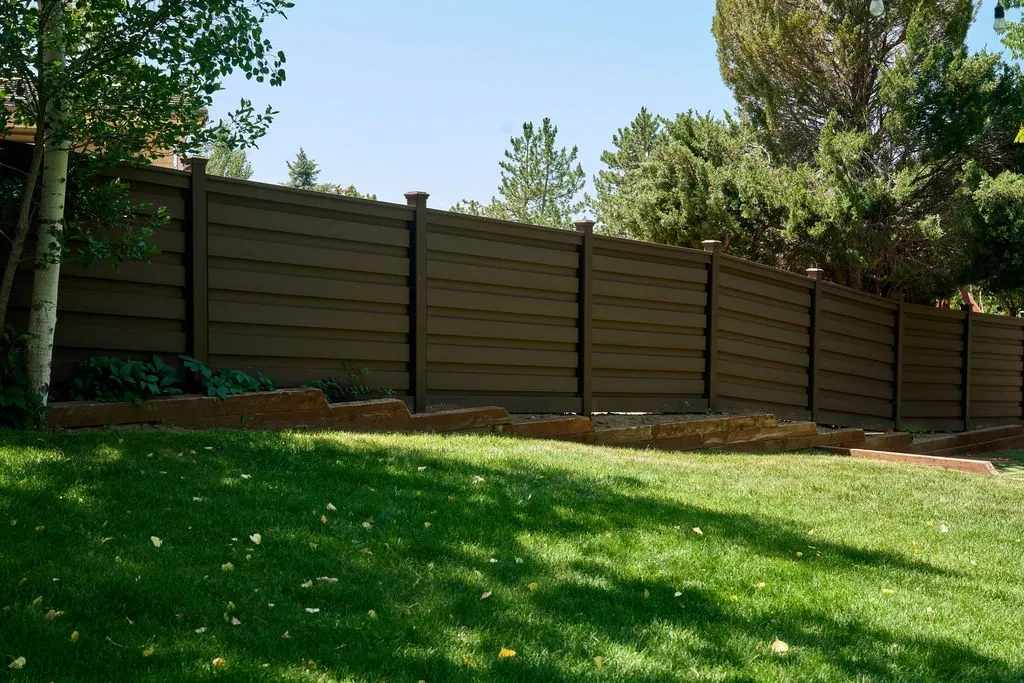
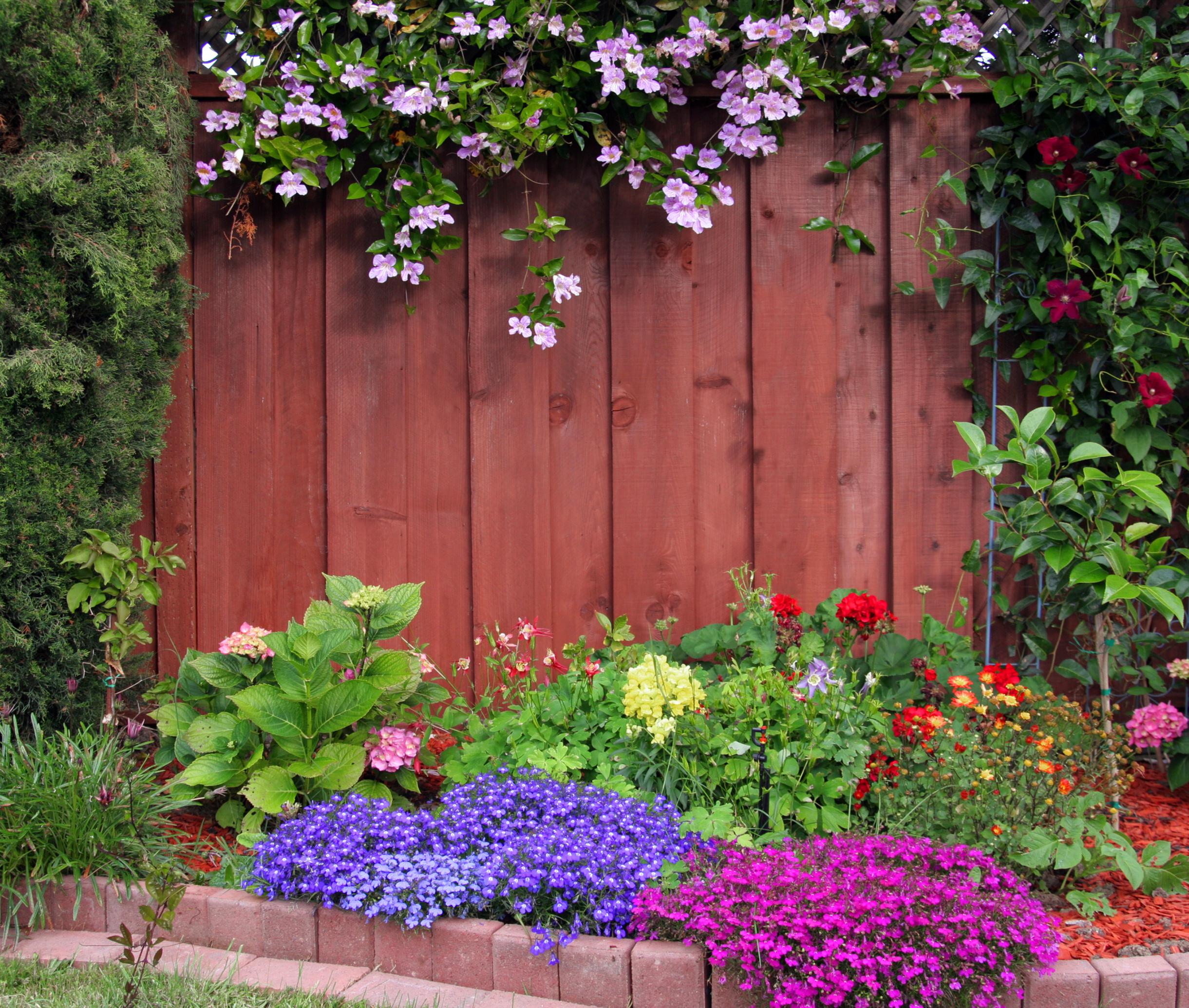
In the Triad, properties often feature a mix of shaded backyards beneath mature hardwoods and open lawns exposed to full sun. This contrast creates two very different aging environments for a fence. Homeowners who invest in Top Rail Fence Triad services quickly learn that cedar fence installation behaves differently depending on tree coverage, airflow, and sun exposure.
While cedar is naturally durable, the way a cedar wood fence matures under dense canopy conditions is not the same as how it weathers in open yards. Understanding these differences helps homeowners protect their investment and plan smarter wood fence installation strategies that account for shade, moisture, and ventilation.
Sun Exposure Versus Constant Shade
The most noticeable difference between shaded and open areas is sunlight. UV rays break down surface fibers over time, gradually shifting cedar from its warm reddish tone to a soft silver gray.
Aging in Open Yards
In open sections of the Triad, a cedar fence installation experiences consistent sunlight and better airflow. This encourages even drying after rain and reduces the risk of prolonged moisture retention.
A cedar wood fence in full sun typically fades uniformly. While the color lightens, structural integrity remains strong if the fence was part of a professionally planned privacy fence installation. Regular sealing slows UV-related fading and maintains richer tones longer.
Aging Beneath Dense Tree Canopy
Under thick tree coverage, the story changes. Shade limits UV exposure but increases moisture retention. Leaves block direct sunlight, and airflow may be reduced. A cedar fence installation in these areas may maintain its original color longer, but it can also face higher humidity levels.
When moisture lingers on boards, organic buildup such as algae or mildew can form. This does not mean the cedar wood fence is failing, but it does require more frequent cleaning to preserve its appearance.
Moisture Retention and Airflow
The Triad climate includes humid summers and regular rainfall. In shaded yards, fences often dry more slowly after storms.
Impact on Boards and Rails
A properly executed wood fence installation ensures boards are spaced correctly to allow airflow. In open yards, wind helps dry surfaces quickly. Beneath a canopy, airflow may be restricted, which can lead to darker staining on lower boards.
Homeowners who choose cedar fence installation for privacy-focused layouts often notice that enclosed spaces trap moisture even more. Designing a privacy fence installation with slight ground clearance and strategic spacing improves drying conditions in shaded areas.
Soil and Post Stability
Dense tree roots can also influence soil structure. While roots stabilize soil in many cases, they can create uneven ground contours. A professional cedar fence installation accounts for these variations, ensuring posts remain level and secure despite nearby root systems.
For those comparing styles and configurations, reviewing cedar wood fence options can help determine which layout performs best under specific yard conditions.
Debris Accumulation Under Trees
One of the most overlooked differences between shaded and open environments is debris. Leaves, twigs, and organic matter collect along fence lines beneath trees.
Preventing Organic Buildup
Accumulated debris traps moisture against boards and posts. Over time, this can cause discoloration at the base of a cedar wood fence. Routine clearing after storms helps extend the lifespan of your cedar fence installation.
The North Carolina Cooperative Extension offers seasonal yard maintenance guidance through NC State Extension Gardening Resources, which includes tips on managing moisture and organic debris common in the Triad region.
Staining Differences Between Sun and Shade
Open-yard fences typically weather evenly, while shaded fences may show patchy darkening where moisture lingers. Cleaning and resealing reduce these visual inconsistencies, keeping your privacy fence installation cohesive across the entire yard.
Structural Performance Over Time
Despite environmental differences, cedar remains one of the most reliable materials for wood fence installation in the Triad. Its natural oils resist insects and decay, even in humid conditions.
Open Yard Structural Benefits
Fences exposed to more sunlight generally dry faster, reducing long-term moisture stress. A well-executed cedar fence installation in open areas tends to require less frequent cleaning, though UV protection through sealing is still recommended.
Shaded Yard Structural Considerations
In shaded environments, periodic inspection becomes more important. Look for soft soil near posts, surface mildew, or loosened fasteners. Addressing minor concerns early keeps your cedar wood fence performing optimally.
Homeowners working with Top Rail Fence Triad often receive maintenance recommendations tailored to whether their fence sits beneath a heavy canopy or open sky. This personalized approach ensures the cedar fence installation remains structurally sound regardless of the environment.
Balancing Beauty and Durability
Both shaded and open settings offer advantages. Open yards provide uniform weathering and quicker drying, while shaded areas protect against harsh UV exposure. The key is designing your privacy fence installation to suit the landscape rather than forcing a one-size-fits-all approach.
With guidance from Top Rail Fence Triad, homeowners can align fence height, spacing, and finishing treatments with yard conditions. Thoughtful planning at the time of wood fence installation reduces future maintenance challenges and ensures consistent performance.
If you are evaluating how your current fence is aging or planning a new cedar fence installation, professional insight can help you adapt to the specific environmental factors present in your Triad property. Visit the Contact Us page to connect with Top Rail Fence Triad and schedule a consultation tailored to your landscape and long-term fencing goals.