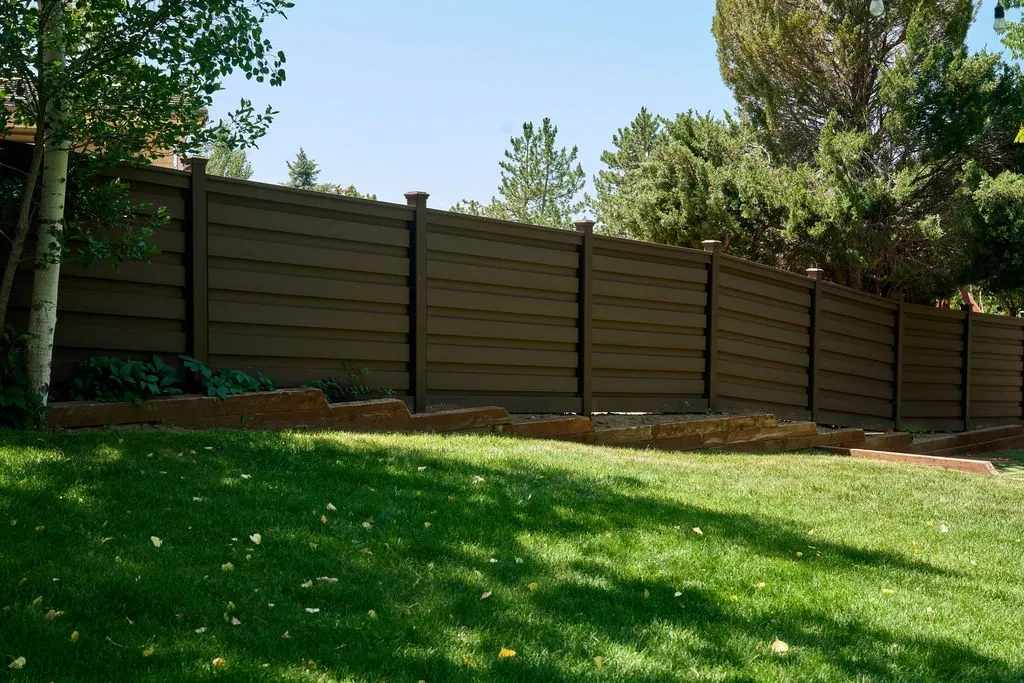
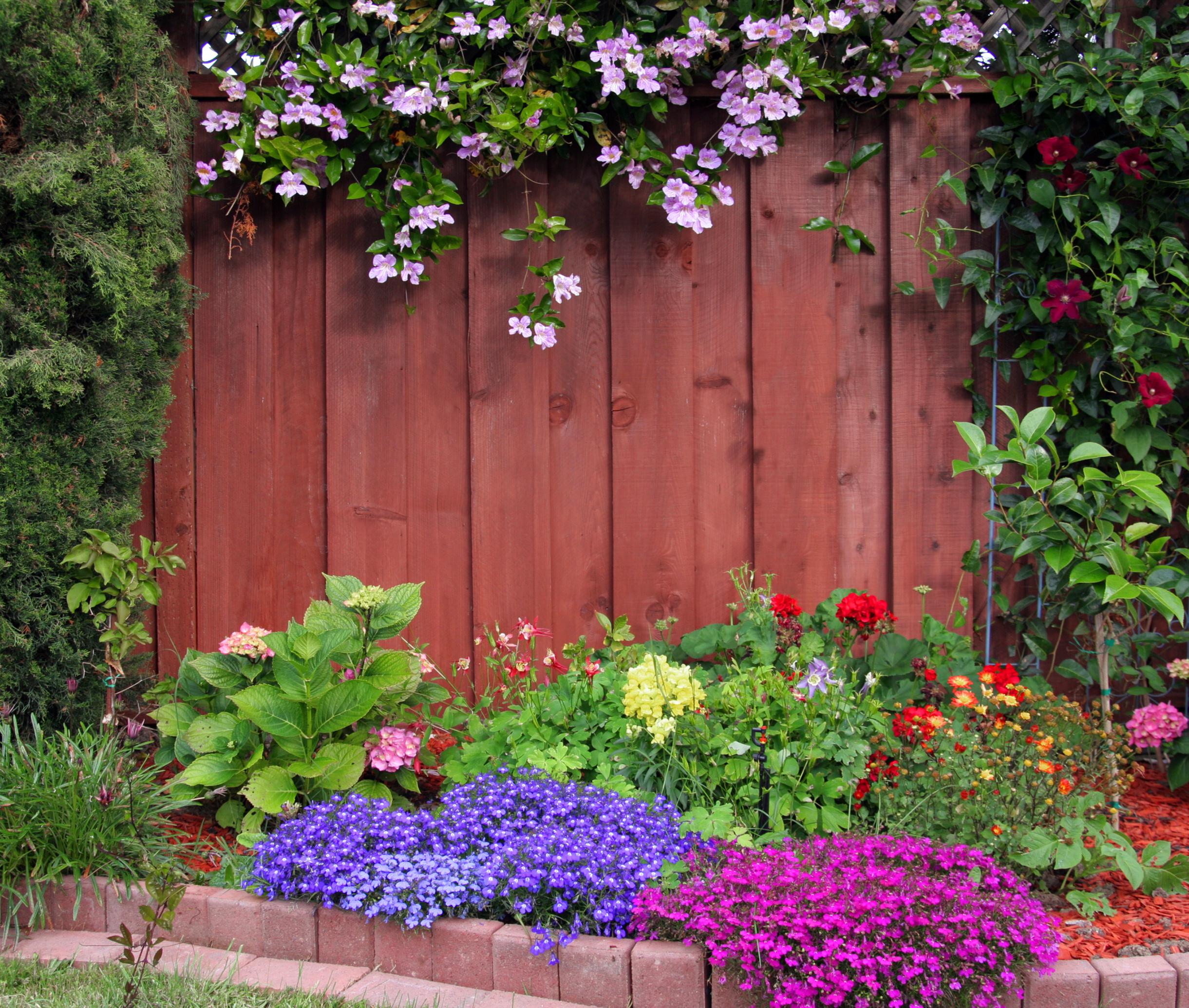
Homeowners across the Triad are increasingly selecting cedar fencing for more than its natural beauty. In a region known for dense tree cover, shifting soil, and seasonal moisture, stability matters just as much as design. Choosing the right wood and installation approach can determine whether a fence remains straight and secure for decades or begins to fail prematurely. This is why many property owners turn to Top Rail Fence Triad for solutions that balance performance and longevity. If you are exploring fencing options locally, reviewing available styles through the Triad wood fencing solutions page is a helpful starting point.
How Tree Density Influences Fence Performance in the Triad
The Triad region’s mature trees create shaded yards, root-heavy soil, and uneven moisture distribution. These environmental factors directly impact how fencing materials behave over time.
Soil movement and root pressure
Tree roots slowly expand beneath the surface, creating subtle shifts that can stress fence posts. Cedar fencing performs well under these conditions because it is dimensionally stable and less likely to twist or crack as the ground moves.
Moisture retention and drainage
Shaded soil retains moisture longer after rainfall. Cedar’s natural oils resist water absorption, reducing the risk of rot compared to many alternative materials. This moisture resistance plays a major role in long-term fence stability.
Why Cedar Provides Structural Advantages
Beyond appearance, cedar offers physical properties that make it well-suited for demanding environments.
Natural resistance to decay
Unlike many woods, cedar contains organic compounds that deter insects and fungal growth. This reduces internal weakening that can compromise fence strength over time.
Lightweight strength balance
Cedar is lighter than many hardwoods, which places less downward pressure on posts while still providing solid structural support. This balance helps fences remain upright in root-dense yards.
Understanding the Types of Cedar Wood for Fences
Selecting the right species matters as much as choosing cedar itself. There are several types of cedar wood for fences, each offering different performance characteristics.
Western Red Cedar
This is one of the most popular options for residential fencing. It offers excellent moisture resistance and maintains stability in shaded, damp environments common throughout the Triad.
Eastern Red Cedar
Known for its dense grain and strong aroma, this variety is highly insect-resistant. It performs particularly well in areas with heavy vegetation and wildlife activity.
Yellow Cedar
Less common but highly durable, yellow cedar provides exceptional resistance to decay and is often used when maximum longevity is the priority.
Installation Methods That Enhance Stability
Even the best materials can fail if installed incorrectly. Proper cedar fence installation ensures that the wood’s natural advantages are fully utilized.
Post depth and anchoring
Fence posts must be set deep enough to counteract soil movement and root pressure. In wooded areas, this often requires deeper settings than open landscapes.
Hardware and fastening systems
Using corrosion-resistant fasteners prevents loosening over time. High-quality hardware ensures that cedar fence panels remain securely attached even as the ground shifts.
When Wood Fence Replacement Becomes Necessary
Older fences may struggle to perform under modern environmental stress. In some cases, wood fence replacement is the most practical solution.
Signs of compromised stability
Leaning posts, uneven panels, and recurring repairs indicate that the original structure is no longer sound. Replacing aging materials with cedar improves both strength and appearance.
Upgrading materials for long-term value
Replacing outdated fencing with cedar reduces future maintenance demands and improves property value. Many homeowners choose Top Rail Fence Triad for replacement projects due to their experience with regional conditions.
Maintenance Practices That Preserve Cedar Stability
While cedar is durable, regular care extends its performance even further.
Periodic inspections
Checking for early signs of ground movement or hardware loosening allows small issues to be corrected before they escalate.
Surface protection
Applying breathable stains or sealants helps regulate moisture absorption without trapping water inside the wood. According to guidance from North Carolina State Extension, proper surface treatments significantly extend the service life of exterior wood structures in humid climates.
Comparing Cedar to Other Fencing Materials
Homeowners often weigh cedar against alternative options.
Cedar vs pressure-treated pine
While treated pine is initially less expensive, it often requires more frequent repairs. Cedar’s natural durability reduces long-term maintenance costs.
Cedar vs composite fencing
Composite materials resist rot but lack the natural flexibility of wood. In root-heavy soil, cedar adapts better to subtle ground movement without cracking.
Long-Term Value for Triad Homeowners
Choosing cedar fencing is not just a design decision. It is an investment in structural reliability. When installed correctly and maintained properly, cedar fences remain stable and attractive for decades. This reliability is why Top Rail Fence Triad continues to recommend cedar for properties throughout the Triad, especially in wooded neighborhoods.
If you are considering a new fence or evaluating replacement options, speaking with professionals who understand local soil and tree conditions is essential. To discuss your project and explore tailored solutions, reach out through the Contact Top Rail Fence Triad page and take the next step toward a fence built for long-term stability.