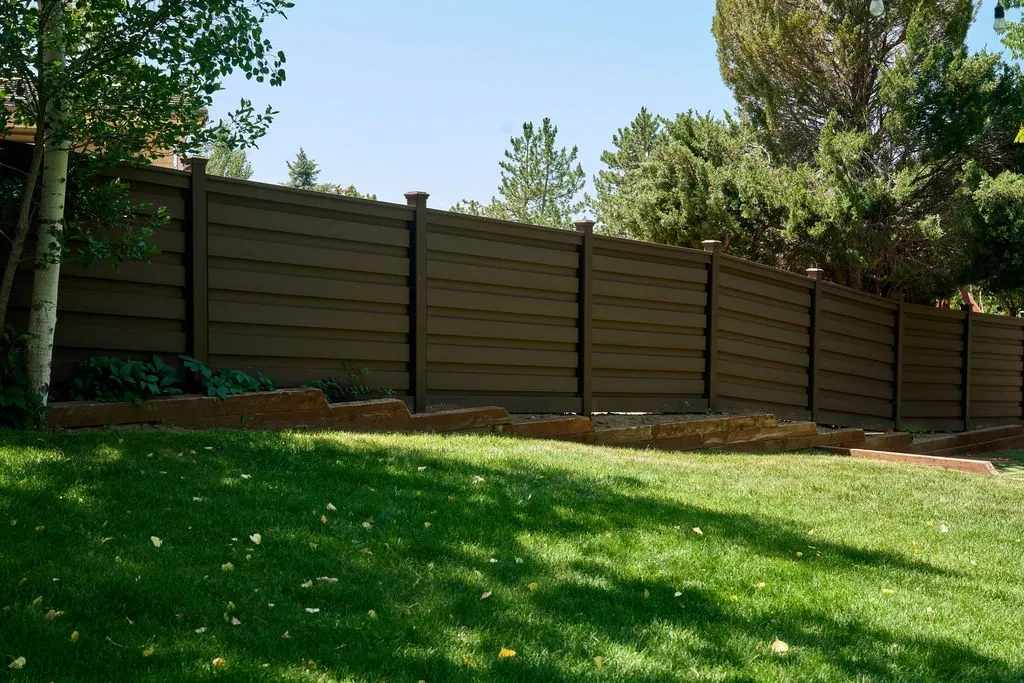
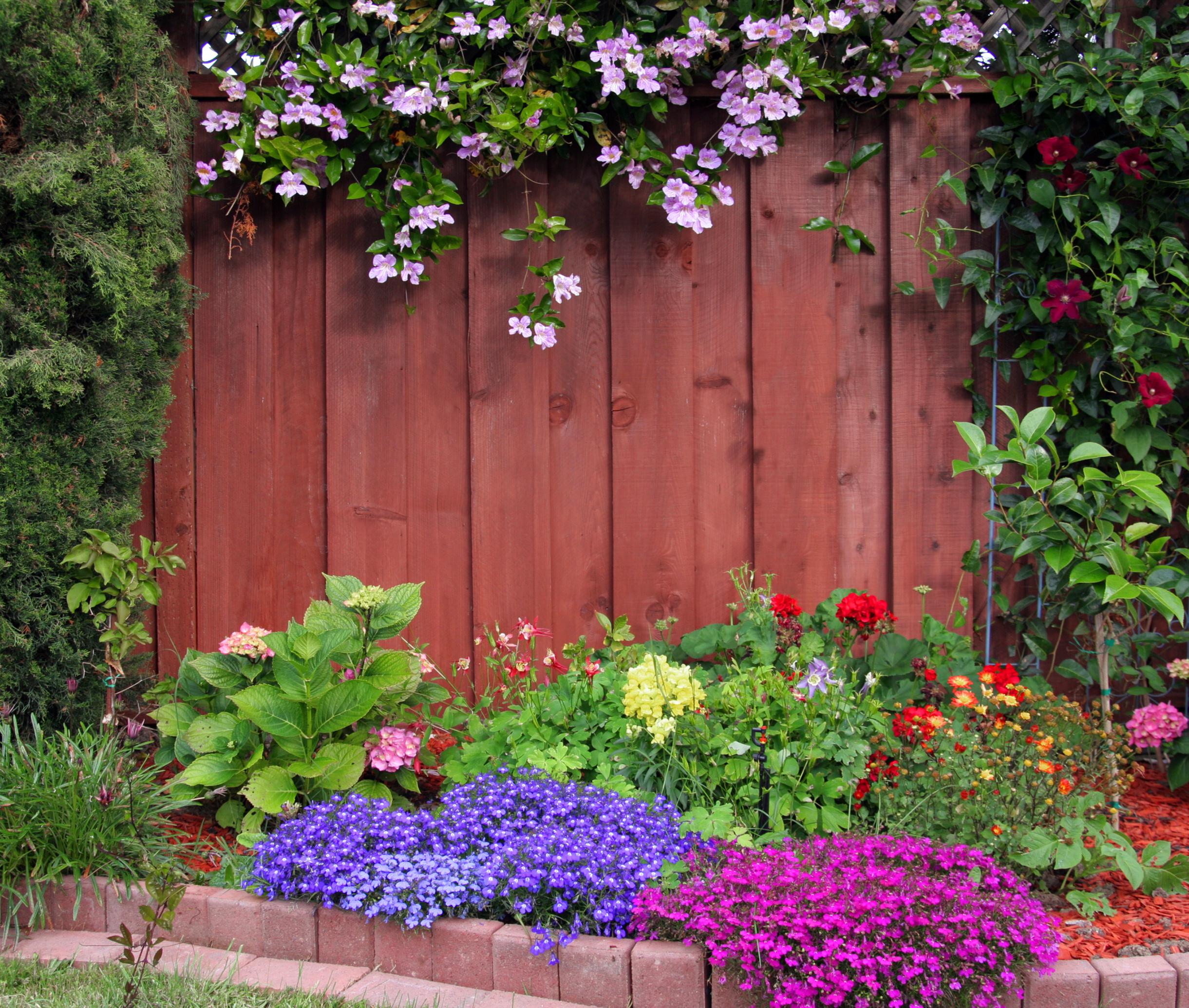
The Triad region blends dense urban neighborhoods with spread-out suburban communities, and that combination directly affects how wood fencing ages over time. Unlike areas with uniform development patterns, the Triad exposes fences to varying moisture levels, airflow, shade coverage, and human activity. These factors influence everything from surface wear to structural stability.
Homeowners researching wood fencing solutions across the Triad often notice that fences age differently, even within the same city. Property layout, nearby construction, traffic exposure, and landscaping density all contribute to how quickly wood materials weather. Many residents exploring wood fencing options in the Triad want to understand why some fences gray evenly while others show uneven fading, warping, or early deterioration.
Why Neighborhood Density Impacts Wood Fence Aging
Urban sections of the Triad tend to create enclosed environments where fences experience limited airflow. This can trap moisture against wood surfaces, increasing the likelihood of mildew and surface discoloration. Suburban layouts, on the other hand, expose wood fencing to stronger winds and prolonged sun exposure.
The result is uneven aging across the region. A fence installed in a shaded, closely spaced neighborhood may retain color longer but face moisture-related wear. A fence in an open subdivision may dry faster, yet experience accelerated UV fading and cracking.
The Role of Wood Fence Layout in Long-Term Performance
How a fence is arranged on a property significantly influences how it ages. Wood fence layout determines sun angles, wind resistance, and water drainage patterns.
Fence Orientation Matters
Fences running east to west receive longer periods of direct sunlight, especially on southern-facing sides. This increases drying speed and UV exposure. North-facing sections may remain damp longer after rain, especially in urban pockets with limited airflow.
Spacing and Clearance
In suburban areas, wider lot spacing allows air to circulate freely around wood fencing, reducing moisture buildup. Urban properties often place fences closer to structures, trapping humidity and debris. A smart wood fence layout includes ground clearance and spacing that allow wood to dry evenly.
Installation Quality Shapes How Wood Fences Age
Even in the same neighborhood, aging patterns vary based on wood fence installation practices. Proper post depth, drainage preparation, and fastener selection determine how well a fence handles soil movement and moisture changes.
Homeowners often underestimate how soil composition varies across the Triad. Clay-heavy soils retain moisture longer, increasing post deterioration if drainage is not addressed. Professional wood fence installation accounts for these differences to ensure long-term stability.
Midway through planning, many property owners review guidance from Top Rail Fence Triad to ensure installation methods match the conditions of their specific lot.
How Wood Fence Styles Respond to Mixed Environments
Different wood fence styles age differently, depending on exposure and layout. Privacy fences, picket fences, and shadowbox designs each respond uniquely to airflow and sun patterns.
Privacy Fences
Solid panels block wind but trap moisture, especially in urban settings. Without proper spacing and sealing, this can lead to uneven aging.
Shadowbox Designs
These styles allow airflow through alternating boards, making them more adaptable across mixed environments. Shadowbox wood fence styles often age more evenly in both urban and suburban Triad neighborhoods.
Picket Fences
Shorter height and open spacing allow quick drying but expose more surface area to sunlight. This can increase fading but reduce moisture damage.
According to research published by Penn State Extension, airflow and sun exposure play critical roles in how exterior wood materials weather over time, reinforcing the importance of matching fence style to environment.
Maintenance Patterns Differ Across the Triad
Maintenance schedules should reflect where a fence is located. Urban fences may require more frequent cleaning to remove trapped debris. Suburban fences often benefit from UV-protective sealants applied earlier in the aging cycle.
Understanding these differences helps homeowners avoid over-treating or under-protecting their wood fencing. Proper timing extends lifespan and preserves appearance.
Choosing the Right Approach for Your Property
Selecting the right combination of material, layout, and style ensures wood fencing ages predictably rather than prematurely. This is why many homeowners turn to Top Rail Fence Triad for region-specific insight when planning new fence projects.
By tailoring wood fence layout, selecting appropriate wood fence styles, and ensuring proper wood fence installation, property owners can reduce uneven aging and long-term repair costs.
Planning for Longevity From Day One
Wood fences in the Triad do not fail because of climate alone. They fail when installation, layout, and maintenance do not align with local conditions. Planning with environmental exposure in mind ensures consistent aging and structural reliability.
Homeowners ready to take the next step can connect with professionals through the Contact Us page to discuss layout options, material selection, and installation strategies that fit their neighborhood and lifestyle.
With the right planning and professional guidance from Top Rail Fence Triad, wood fencing can age gracefully across the Triad’s diverse urban and suburban landscapes, delivering both beauty and durability for years to come.