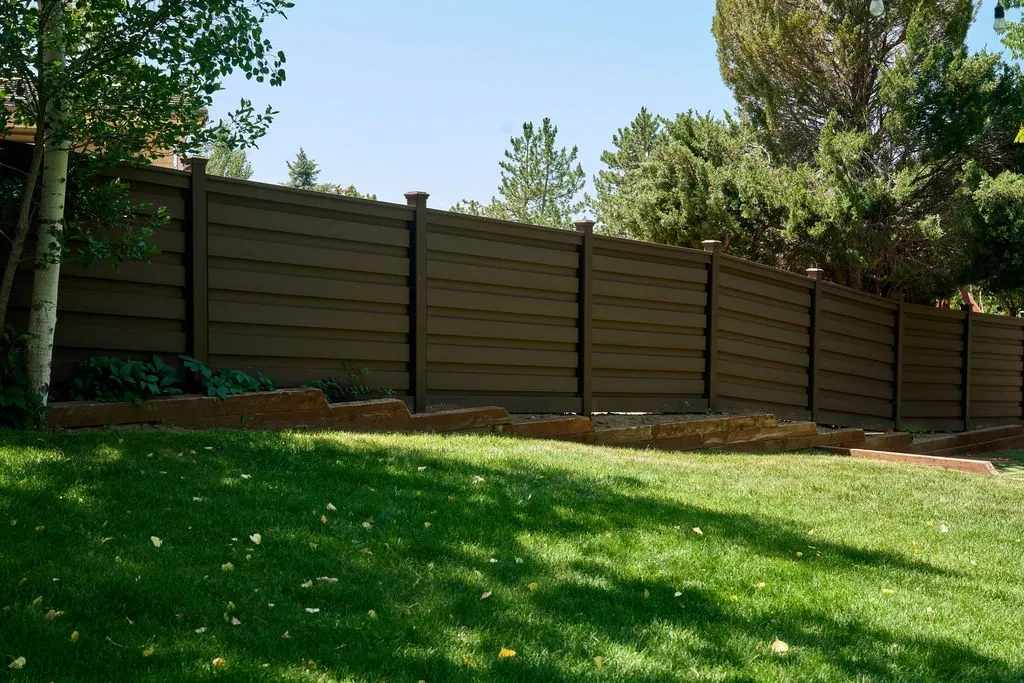
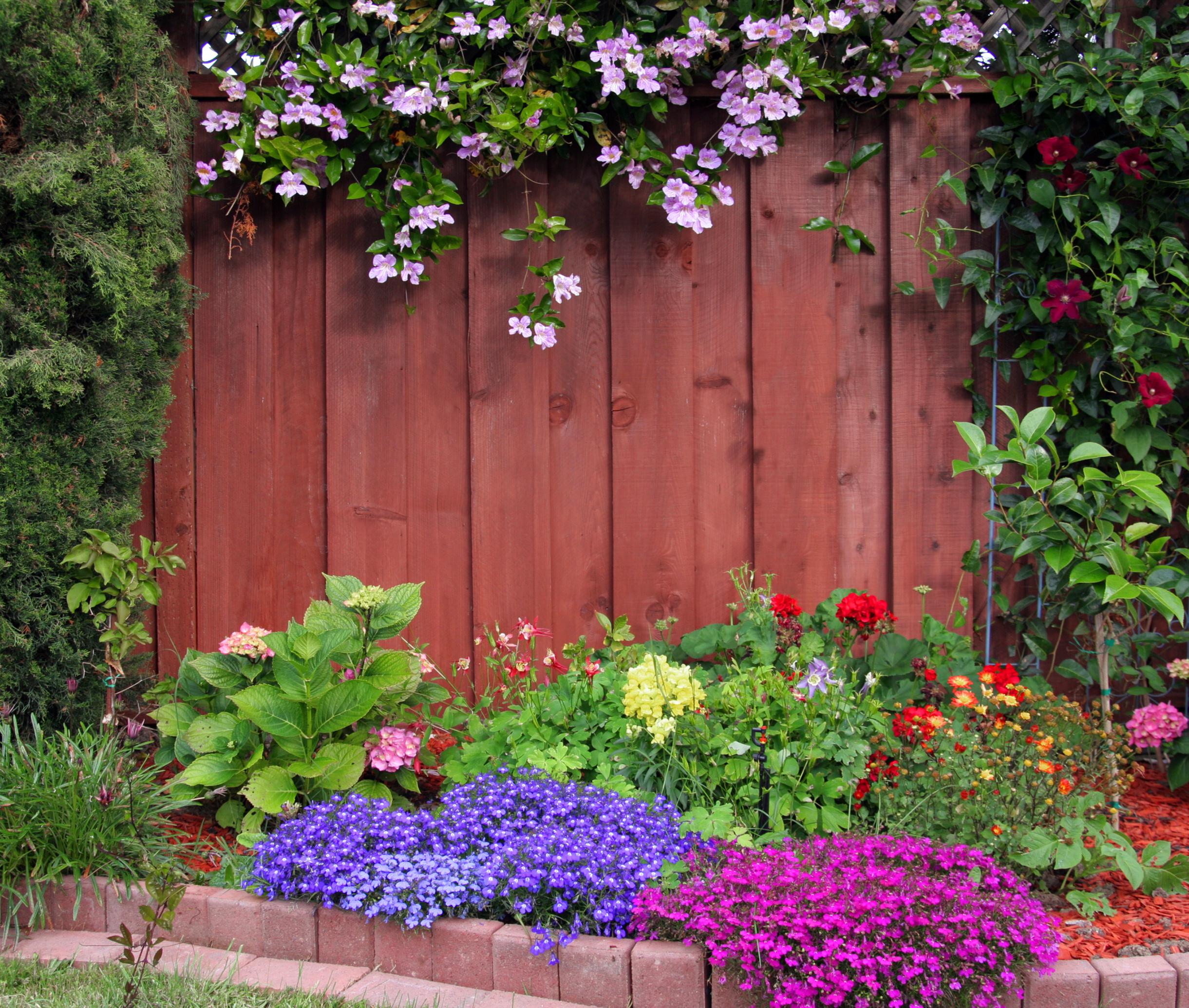
Across the Triad, late summer humidity does more than make the air feel heavy. It reveals subtle characteristics in every traditional wood fence that homeowners may not notice during cooler months. From slight expansion between boards to the way moisture interacts with wood fence materials, seasonal changes can influence both appearance and performance. Many property owners researching Top Rail Fence Triad solutions discover that understanding humidity behavior is essential to protecting long term investment in wood fence installation.
Humidity acts as a natural stress test. It highlights craftsmanship, material quality, and how well a fence was designed to adapt to the climate patterns common throughout North Carolina’s Triad region.
Why Late-Summer Moisture Exposes Subtle Fence Details
Wood is a responsive material. It absorbs and releases moisture depending on environmental conditions. During late summer, elevated humidity levels in the Triad cause boards to expand slightly, tightening gaps and sometimes altering surface texture.
For a properly built traditional wood fence, this expansion is anticipated during planning. Installers who understand local climate patterns space boards and set posts with seasonal movement in mind.
Natural Expansion and Board Spacing
Small spacing adjustments during wood fence installation allow for controlled expansion. Without this consideration, boards may press tightly against each other, increasing pressure on fasteners or causing uneven alignment.
Experienced installers evaluate how different wood fence materials respond to moisture. Pressure-treated pine, cedar, and other common lumber types each absorb humidity differently. Planning for these changes ensures that the traditional wood fence remains stable even during peak moisture months.
Surface Texture and Grain Visibility
Humidity can make wood grain more pronounced. Raised fibers may appear slightly rougher, especially if a fence was recently cleaned or lightly sanded. While this is typically cosmetic, it reminds homeowners why finish selection and maintenance timing matter.
The Structural Role of Posts in Humid Conditions
The most noticeable late summer detail is not always the boards. Posts bear the greatest responsibility in maintaining alignment and strength.
Properly anchored posts resist soil movement that can occur after heavy rainfall. In areas of the Triad where clay-rich soil expands when wet, post depth and concrete curing play a critical role in fence longevity.
Soil Saturation and Stability
When soil absorbs excess water, it shifts. A well-planned wood fence installation accounts for this by setting posts below the frost line and using reinforcement techniques suited to local ground conditions.
A durable traditional wood fence should remain upright and consistent even when soil moisture levels fluctuate.
Fastener Performance in High Humidity
Humidity can also affect metal components. Galvanized or coated fasteners help prevent premature corrosion. Quality materials ensure that structural integrity is preserved despite prolonged exposure to moisture.
How Traditional Fence Styles Respond to Seasonal Changes
Not all traditional fence styles respond to humidity in the same way. Board-on-board privacy fences may show less visible change compared to spaced picket designs. Shadowbox styles can temporarily appear tighter as boards expand.
Midway through planning, many homeowners review wood fencing options to compare how different profiles perform during humid months. Understanding the relationship between design and climate helps prevent surprises.
Privacy Panels and Airflow
Solid panel designs restrict airflow, which can increase moisture retention after rain. Semi-private or decorative traditional fence styles allow air circulation that encourages faster drying.
Balancing privacy with ventilation is often key in the Triad, where late summer afternoons combine high humidity with intermittent storms.
Decorative Elements and Trim Details
Post caps and trim accents may react differently depending on grain direction and exposure. Selecting compatible wood fence materials ensures uniform aging and a consistent appearance throughout the structure.
Maintenance Timing Matters in the Triad
Late summer humidity also influences when maintenance should occur. Staining or sealing during excessively humid conditions can slow drying time and affect finish absorption.
According to guidance from the United States Forest Service, wood performance depends heavily on moisture management and environmental exposure. This reinforces why timing protective treatments properly supports long-term durability.
h3: Inspecting for Seasonal Movement
Homeowners should observe their traditional wood fence during humid months to identify minor shifts or surface changes. Early inspection helps address issues before they develop into structural concerns.
Cleaning Without Overexposure
While gentle washing can remove mildew or surface buildup, over-saturation should be avoided. Controlled cleaning protects the integrity of wood fence materials while maintaining curb appeal.
Why Professional Planning Makes a Difference
Humidity does not damage a fence by itself. Problems usually arise when installation fails to account for climate patterns. That is why working with professionals familiar with Triad conditions is essential.
Top Rail Fence Triad understands how seasonal moisture influences both design and installation decisions. Their experience with traditional fence styles ensures each project accounts for expansion, drainage, and long-term adaptability.
During consultations, property owners often gain insight into how board spacing, post anchoring, and finish selection contribute to performance. Proper planning reduces the likelihood of warping, leaning, or uneven aging.
Long-term Durability Starts With Material Selection
Choosing appropriate wood fence materials is the foundation of a reliable traditional wood fence. Pressure-treated lumber remains popular for its resistance to decay and insects, while cedar offers natural oils that enhance moisture resistance.
The right material depends on property exposure, landscaping, and maintenance preferences. A strategic approach to wood fence installation evaluates these variables before construction begins.
Drainage and Landscape Integration
Fences that sit too close to dense vegetation may retain moisture longer. Slight grading adjustments or spacing improvements allow water to drain away from the base of the structure.
Finish Compatibility
Stains and sealants must align with the selected lumber type. Proper compatibility ensures finishes adhere evenly and withstand humid conditions typical of late summer in the Triad.
Recognizing the Value of Seasonal Awareness
Humidity provides a reminder that a traditional wood fence is a living material installation. It reacts naturally to the environment. Rather than viewing these reactions as flaws, homeowners can see them as indicators of quality and craftsmanship.
When installed with climate awareness, a fence adapts without compromising strength or visual appeal. Subtle seasonal shifts confirm that expansion allowances and structural reinforcements were planned correctly.
Many residents turn to Top Rail Fence Triad for guidance on building fences designed specifically for regional weather patterns. Their familiarity with wood fence installation best practices helps homeowners feel confident year-round.
Moving Forward With Confidence
Late summer humidity across the Triad does not have to create uncertainty. Instead, it offers insight into how well a traditional wood fence was designed and installed. By selecting experienced professionals and durable wood fence materials, property owners can ensure that seasonal expansion remains controlled and predictable.
If you are evaluating new fencing or inspecting an existing structure, connect with the team at Top Rail Fence Triad through the Contact Us page to discuss tailored solutions. With thoughtful planning and expert wood fence installation, your fence can remain strong, attractive, and adaptable throughout every humid season in the Triad.