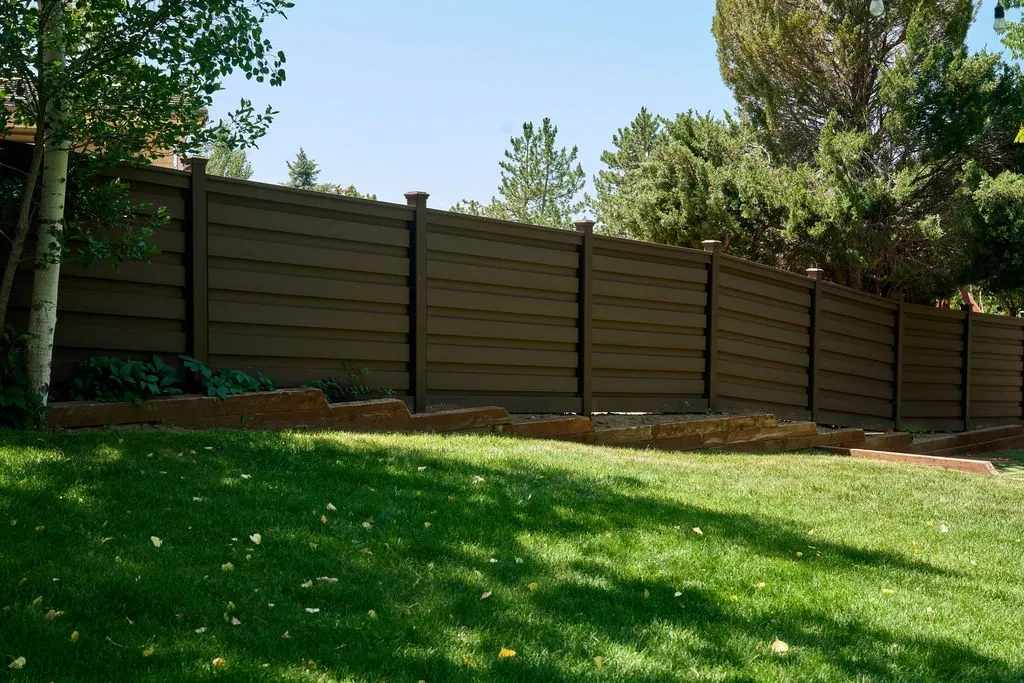
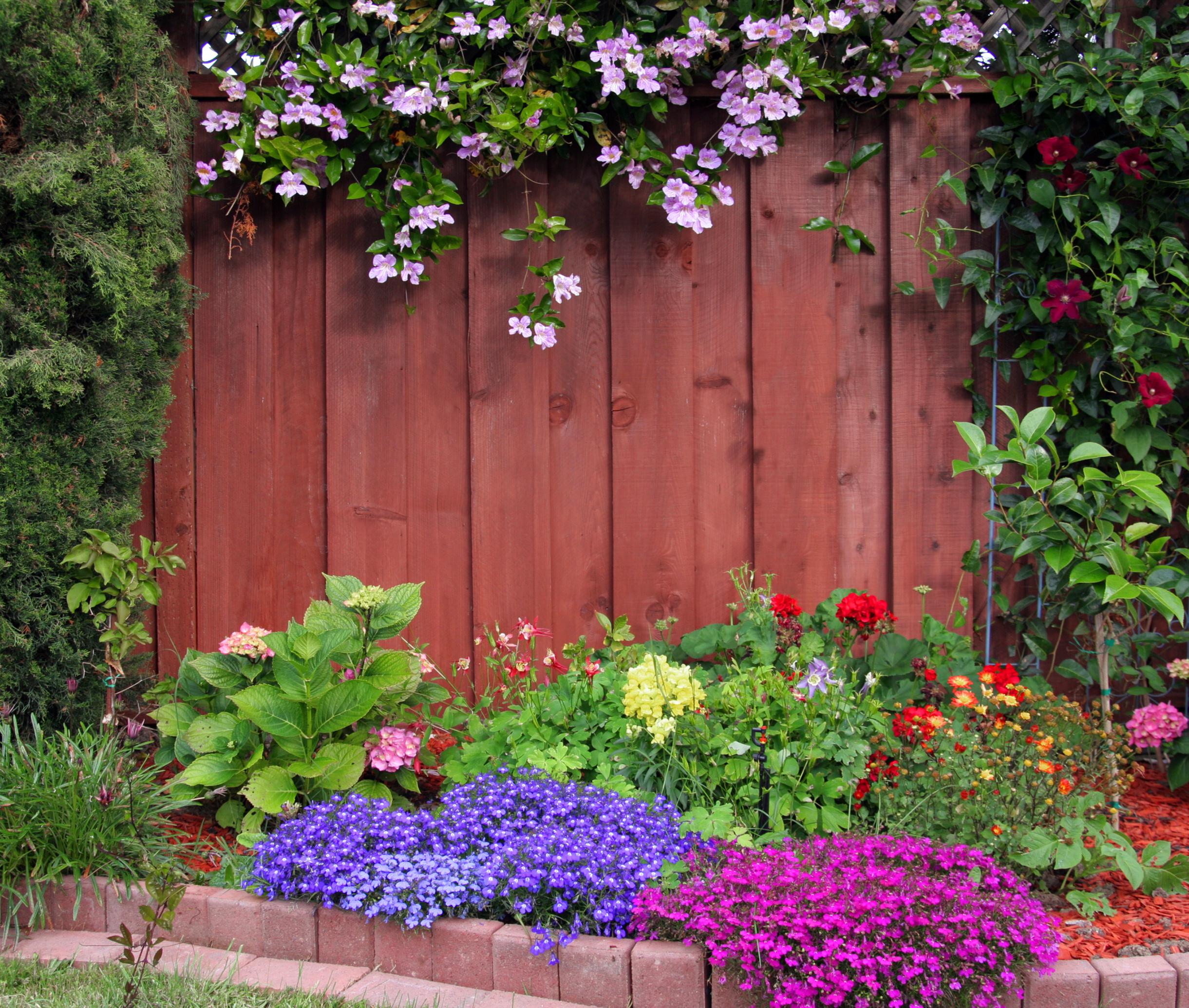
In the Triad, very few backyards are perfectly flat. Subtle slopes, gradual elevation changes, and hidden drainage paths shape how fences must be designed and installed. A well-planned traditional wood fence does more than define a boundary. It often reveals how water moves across a property and whether the yard’s grading supports long-term stability. Homeowners exploring solutions through Top Rail Fence Triad quickly discover that slope and drainage directly influence successful wood fence installation.
Unlike hardscape walls, wood fencing adapts to uneven terrain. That flexibility makes it ideal for residential properties throughout the Triad, where rainfall patterns and rolling landscapes create unique installation challenges.
How Sloped Yards Influence Fence Layout Decisions
A sloped yard affects alignment, post depth, and panel configuration. Ignoring grade changes during wood fence installation can result in uneven fence lines or gaps beneath panels.
Installers must evaluate whether a yard requires a stepped approach or a racked design. Each method affects the final look and drainage behavior around a traditional wood fence.
Stepped Installation on Noticeable Grades
Stepped fencing creates level sections that descend gradually along a slope. This method works well for moderate elevation changes and allows consistent board alignment. However, stepped panels may leave small triangular openings at the bottom if the grade shifts abruptly.
In parts of the Triad where older neighborhoods feature rolling terrain, stepped wood fencing often provides a clean and structured appearance while maintaining stability.
Racked Panels for Gradual Transitions
Racking involves adjusting fence panels to follow the natural contour of the yard. This technique reduces gaps along the base and supports smoother transitions. A properly built traditional wood fence that is racked to match the slope often improves water flow by minimizing obstruction.
Drainage Patterns and Fence Performance
Backyard drainage is rarely visible until heavy rain reveals low spots. A fence line can either support natural runoff or unintentionally redirect water toward foundations or neighboring properties.
A thoughtful privacy fence installation accounts for how water travels during storms. Slight grading adjustments or spacing beneath panels can prevent water from pooling against posts.
Preventing Water Traps Along Fence Lines
When soil builds up against the bottom of a traditional wood fence, moisture retention increases. Over time, constant dampness may shorten the lifespan of certain wood fencing components.
Strategic spacing between boards and soil helps maintain airflow. In the Triad, where seasonal storms are common, this detail plays a significant role in durability.
Post Placement and Soil Stability
Fence posts must be anchored below the most active soil layer. Sloped yards are particularly vulnerable to erosion, especially after heavy rainfall. Proper post depth and compaction techniques strengthen the entire wood fence installation.
The team at Top Rail Fence Triad evaluates drainage direction before setting posts to ensure that runoff does not compromise structural integrity. Their familiarity with Triad soil conditions allows them to anticipate movement before it becomes an issue.
Privacy Considerations on Elevated Terrain
Elevation changes also affect sightlines. A yard that slopes downward may require taller sections to maintain consistent privacy. Conversely, a yard that rises toward the rear may naturally enhance coverage.
A well-designed traditional wood fence addresses these variations without creating an uneven appearance. Adjusting panel height strategically ensures that privacy fence installation remains effective across the entire boundary.
Managing Visibility Between Neighboring Properties
On sloped lots, the visual relationship between properties shifts. A neighbor uphill may have a clearer view into a yard than expected. Thoughtful wood fencing design compensates for this by modifying height where permitted by local guidelines.
Blending Privacy With Drainage Efficiency
While solid panels enhance privacy, they can restrict airflow. Integrating slight spacing or choosing compatible layouts ensures that drainage is not hindered. Balancing aesthetics with environmental factors is central to a lasting traditional wood fence.
The Connection Between Grading and Long-Term Maintenance
Improper grading can accelerate wear. When water repeatedly collects along a fence line, staining, discoloration, and soil displacement may occur.
Homeowners often review wood fencing options during planning to determine which styles perform best on uneven terrain. Certain configurations naturally allow better drainage, reducing maintenance demands over time.
According to the Natural Resources Conservation Service, effective erosion control depends on managing water flow and protecting soil structure. These principles apply directly to wood fence installation on sloped properties.
Identifying Early Signs of Drainage Issues
Pooling water, exposed roots, or shifting soil near posts can signal grading problems. Observing these indicators early protects the longevity of a traditional wood fence.
Coordinating Landscaping with Fence Placement
Landscaping adjustments, such as minor regrading or drainage channels, can enhance fence performance. Integrating these elements during privacy fence installation supports both structural integrity and yard usability.
Why Professional Evaluation Matters
Every slope is different. Two homes in the same Triad neighborhood may require entirely different installation strategies. Soil type, rainfall exposure, and yard orientation all influence how a traditional wood fence should be constructed.
Top Rail Fence Triad approaches each property with a detailed assessment of elevation and runoff direction. Their expertise in wood fence installation ensures that fences follow grade changes without compromising alignment or drainage.
Beyond structural considerations, thoughtful planning also enhances curb appeal. When wood fencing complements natural contours, the result feels intentional rather than forced.
Designing With Future Weather in Mind
Climate trends suggest that intense rainfall events may become more frequent in many regions. Building a traditional wood fence that accommodates strong runoff today reduces the likelihood of costly adjustments later.
Durable materials, proper post anchoring, and slope-conscious layouts all contribute to long-term resilience. A carefully executed privacy fence installation can reinforce property boundaries while supporting effective water management.
Homeowners throughout the Triad value fences that perform reliably across seasons. By addressing grading and drainage from the beginning, installation teams create solutions that withstand environmental pressures.
Moving Forward With Confidence on Uneven Ground
Sloped yards should not be viewed as obstacles. They offer opportunities to design a traditional wood fence that aligns naturally with the landscape while improving drainage awareness.
If you are considering new wood fencing or evaluating how slope affects your current boundary, the professionals at Top Rail Fence Triad can help you plan strategically. Connect through the Contact Us page to discuss customized wood fence installation and privacy fence installation solutions tailored to your Triad property. With proper grading insight and expert craftsmanship, your fence can remain strong, level, and visually cohesive even on the most challenging terrain.