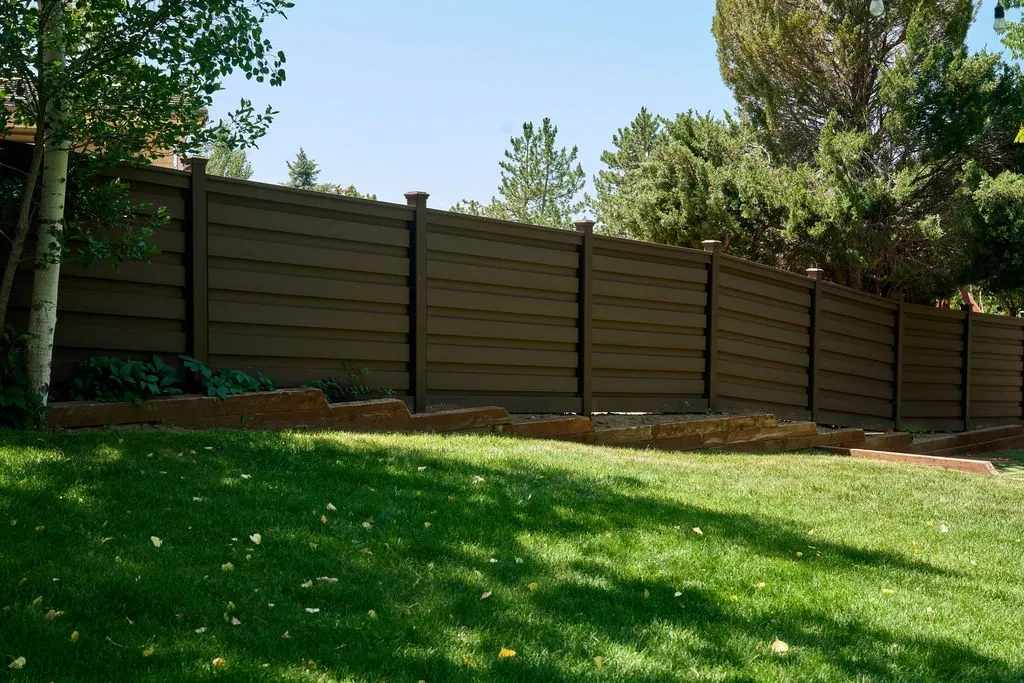
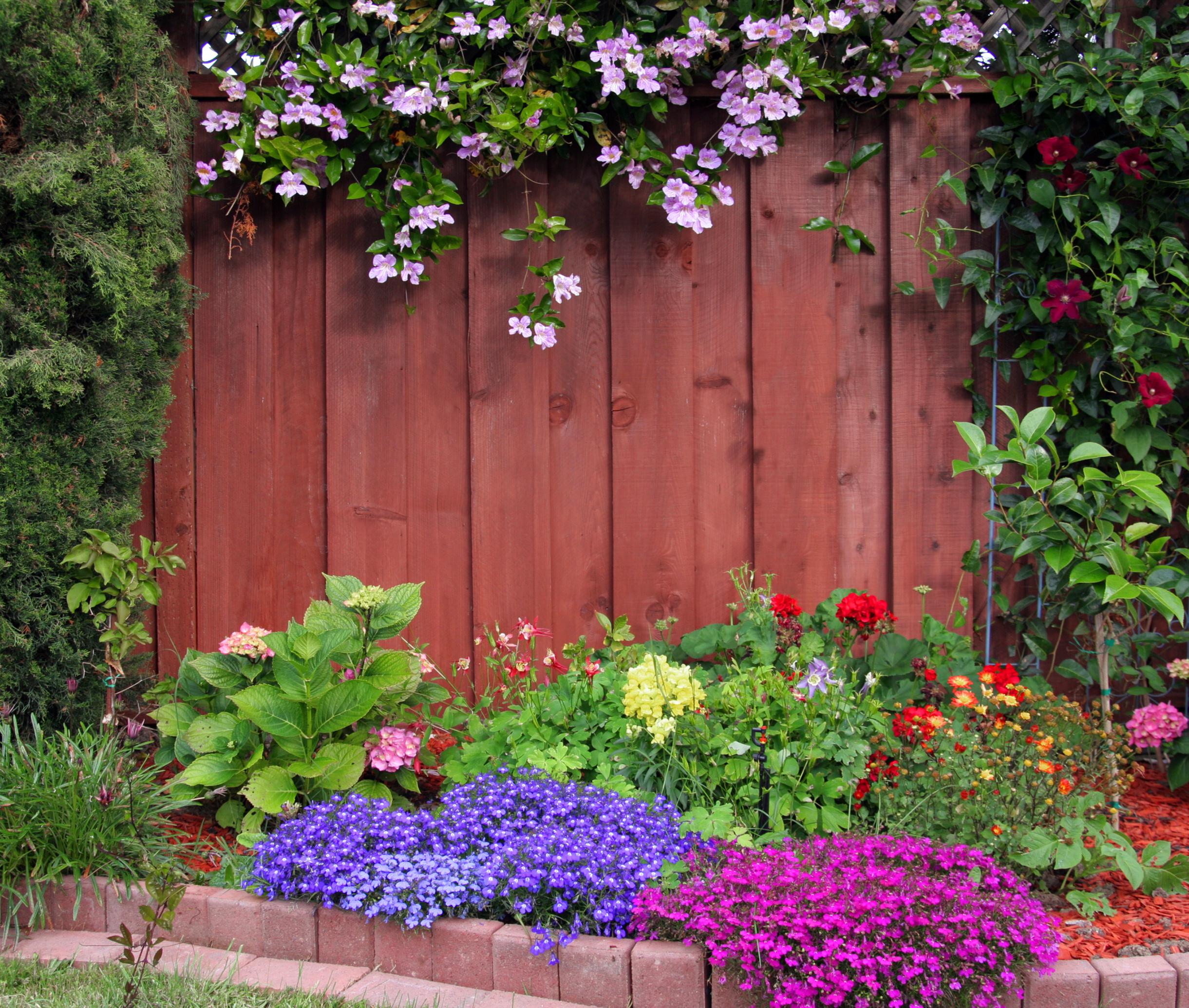
Homeowners across the Triad continue to rely on wood fencing for privacy, curb appeal, and long-term value. Many want to know whether treated wood still holds up over time and whether it outperforms newer materials. At Top Rail Fence Triad, we help residents understand how treated wood responds to the region’s weather, soil conditions, and maintenance expectations. If you want to see how we serve the area, you can explore our Triad location right within this first paragraph, as required.
Why Treated Wood Remains a Trusted Choice in the Triad
A major reason wood fencing is still so popular is the confidence homeowners have in how treated lumber performs. Treated wood is infused with preservatives that help it resist insects, moisture intrusion, and decay. In a region like the Triad, where humidity levels fluctuate throughout the year, this added protection makes a meaningful difference.
Homeowners often say that the natural warmth and flexible design options of wood outweigh the uniform appearance of synthetic materials. They also appreciate how wooden treated fence posts provide solid foundational support when installed correctly, especially when combined with professional-grade concrete setting techniques. Those posts often determine how long the entire structure lasts, and treated material gives them the resilience needed for shifting soil and seasonal moisture.
How Treated Wood Responds to the Triad’s Weather Patterns
Moisture Resistance and Stability
Treated lumber used in wood fencing undergoes pressurization that forces preservatives deep into the wood grain. This helps the fence resist early rotting or softening. Homeowners across the Triad report that treated material gives them peace of mind during frequent rain cycles and humid summers.
Soil Conditions and Post Longevity
Red clay soils can shift and hold moisture longer than sandy soils, which affects fence stability. Wooden treated fence posts significantly outperform untreated lumber in these conditions because they retain their structure even when moisture lingers. A fence anchored with treated posts typically withstands ground movement better and lasts longer without leaning or twisting.
Stain and Seal Protection
When paired with consistent wood fence maintenance, treated wood becomes even more durable. Triad homeowners who commit to staining or sealing see longer life from their fences. A helpful guide on the longevity of treated lumber can be found on this external resource: Angi's explanation of pressure-treated wood lifespans.
The Role of Maintenance in Fence Longevity
Understanding What Maintenance Actually Involves
Most Triad homeowners agree that the life span of wood fencing ultimately depends on how well it is cared for. Maintenance includes cleaning, monitoring for moisture damage, and applying protective coatings. Many use fence staining services to add a seal that shields the wood from UV light, rain, insects, and warping. This simple routine often doubles the lifespan of the fence.
Homeowners who stay consistent with wood fence maintenance typically experience fewer repairs and a better appearance over time. Even small actions like reducing soil contact, trimming grass away from the base, and ensuring good drainage help preserve treated wood.
How Staining Extends the Life of Treated Fencing
Staining is one of the strongest defenses against the elements, especially in a region with heat and humidity. Whether homeowners prefer transparent stains for a natural look or solid stains for deeper color, the treatment acts as a moisture barrier. Midway through the article is a good place to blend in an internal link, such as learning more about wood fencing installation and design, while highlighting the benefits of staining and sealing.
What Triad Homeowners Say About Performance Over Time
Many residents note that treated wood fencing remains reliable even after several seasons of heavy rain. They often share that the fence maintains its structure as long as the wooden treated fence posts are installed at the proper depth and reinforced with quality concrete. Homeowners replacing older fences commonly report that posts were the first component to fail, and treated lumber significantly reduces that risk.
They also appreciate the customizable look of wood. Even as the fence ages, staining allows it to change its appearance while protecting the material. The ability to restain instead of replace is a major reason why many still prefer wood over vinyl or metal options.
Another frequent comment is that treated wood weathers more gracefully. While the color may fade slightly, the structure remains solid as long as proper wood fence maintenance is performed. Many families enjoy how the fence blends naturally into landscaping as it matures, giving their yard a stable and comfortable feel.
Why Triad Homeowners Trust Top Rail Fence Triad
Homeowners across the Triad choose Top Rail Fence Triad because they want professional installation that maximizes the life span of their wood fencing. Our team understands how treated wood performs in the region, how deep posts must be set, and how to prepare the ground for long-term stability. We provide guidance on material choices, stain schedules, and structural enhancements that ensure the fence lasts as long as possible.
If you are ready to build or upgrade your fence, or if you need support with staining or maintenance, you can connect with our team and start planning your project through our Contact Us page.