In the Triad, outdoor living is shaped as much by tree cover and shifting sunlight as it is by lot boundaries. That’s why many homeowners approach wood fence installation with shade in mind from the very beginning. Instead of simply drawing straight lines along property edges, thoughtful fence installation considers how fences interact with mature trees, afternoon sun, and usable outdoor space. Homeowners often explore guidance from the Top Rail Fence Triad location page early in the planning process to understand how local conditions influence fence layout and material choices.
Planning Around Shade Patterns in the Triad
Understanding how shade moves across a yard is critical before committing to a wood fence installation. In neighborhoods across Greensboro, Winston-Salem, and High Point, large hardwood trees cast long shadows that change with the seasons. A fence placed without considering shade can block cooling airflow or limit sunlight to gardens and patios.
Homeowners who plan fencing around shade often achieve more comfortable outdoor spaces. By adjusting fence placement slightly, it’s possible to preserve shaded seating areas while still defining boundaries clearly. This approach turns fencing into part of the landscape rather than an obstacle within it.
How Shade Influences Fence Height and Orientation
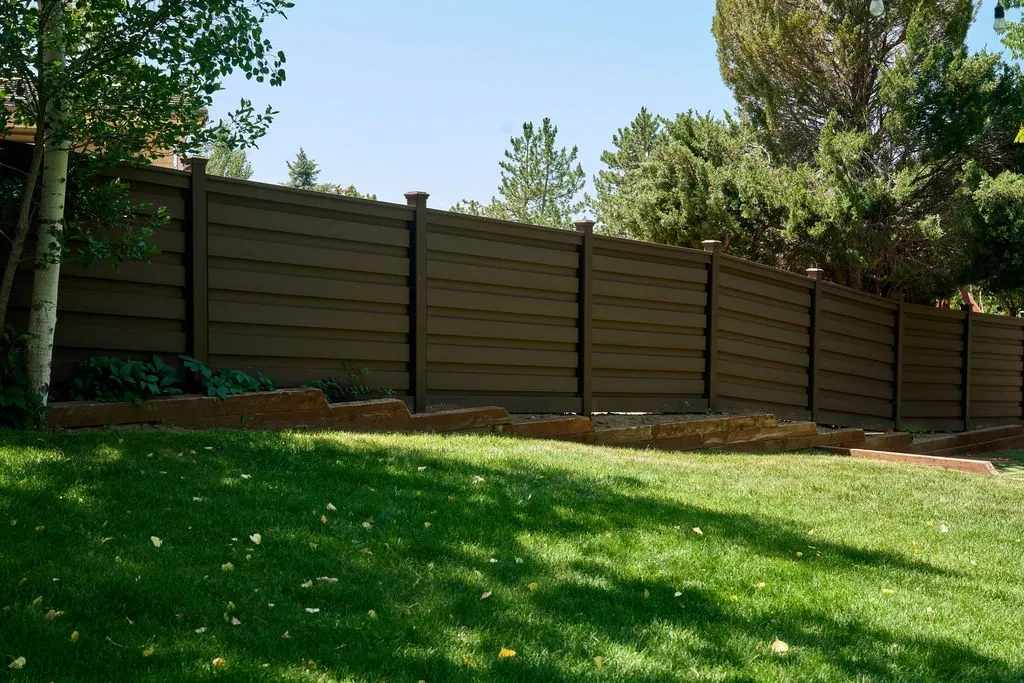
Fence height plays a subtle but important role in shaded yards. Taller fences provide privacy but can intensify shadowed areas if positioned incorrectly. In the Triad, many homeowners choose a balanced height for their wood privacy fence that maintains seclusion without darkening the yard. Orientation also matters. Angling fence lines or stepping them around tree canopies allows sunlight to reach key areas during peak hours.
These decisions are easier when homeowners work with professionals who understand regional sun paths and tree growth patterns. A well-planned wood fence installation supports both privacy and livability.
Choosing Wood Fence Materials for Shaded Environments
Not all wood fence materials perform the same in shaded conditions. Areas with limited sun exposure retain moisture longer, which can accelerate wear if the wrong materials are used. In the Triad, selecting rot-resistant species and proper treatments is essential for long-term durability.
Cedar and pressure-treated pine are popular choices because they handle humidity and shade better than untreated lumber. Proper spacing between boards also encourages airflow, helping the fence dry after rain. These material decisions directly affect how well a fence holds up beneath dense tree cover.
Why Shade Drives Privacy Fence Design
A wood privacy fence in a shaded yard serves more than one purpose. Beyond visual screening, it can create a cooler microclimate for patios, play areas, and gardens. Homeowners often request designs that block sightlines without fully enclosing shaded zones, maintaining an open, inviting feel.
Midway through the planning process, many homeowners explore related insights on wood fence materials and layout ideas by reviewing internal resources such as the wood fencing guide. This helps align material selection with both privacy needs and environmental conditions.
Integrating Trees Into Fence Installation
Rather than removing mature trees, modern fence installation in the Triad often works around them. Fences can be offset to protect root systems and adjusted to accommodate future growth. This approach preserves shade while preventing long-term structural issues.
When fences are installed too close to large trees, shifting roots can cause posts to lean over time. Planning with shade in mind reduces this risk and extends the life of the fence. It also maintains the natural character that many Triad homeowners value.
Long-Term Performance in Shaded Yards
Shaded fences require thoughtful maintenance planning. Moisture retention can encourage mildew if surfaces are neglected. Choosing the right wood fence materials, combined with proper sealing and airflow, minimizes these concerns. According to research from the USDA Forest Products Laboratory, wood durability is strongly influenced by exposure conditions, including moisture and sunlight levels. This reinforces why shade-aware planning is critical.
By accounting for shade from the outset, homeowners reduce future repair costs and preserve the fence’s appearance for years. A carefully planned wood fence installation adapts to the environment instead of fighting it.
Why Local Expertise Matters
Working with professionals who understand Triad landscapes makes a noticeable difference. The team at Top Rail Fence Triad regularly designs fences that complement shaded yards, balancing privacy, airflow, and durability. Their experience with local tree species and soil conditions helps ensure each fence installation performs as intended.
Final Thoughts on Shade-Focused Wood Fencing
In the Triad, successful fencing is rarely about straight lines alone. Shade patterns, tree placement, and outdoor usability all shape how a wood privacy fence should be designed. By choosing the right wood fence materials and planning with sunlight in mind, homeowners create outdoor spaces that feel comfortable and intentional.
If you’re considering a new wood fence installation, start with a design that respects your yard’s natural shade. For guidance tailored to your property, connect with Top Rail Fence Triad through the Contact Us page and explore how thoughtful planning can turn a simple boundary into a lasting outdoor asset.