Living near the coast offers stunning views and refreshing breezes, but it also comes with unique challenges, especially when it comes to fence installation. The salty air, high humidity, and unpredictable storms along Florida’s Atlantic coast can quickly damage poorly chosen fence materials or improperly installed fences. Whether you’re securing your property or adding curb appeal, understanding coastal conditions is essential before beginning your fencing project.
In this guide, we’ll explore the most important things Volusia County homeowners should know before installing a fence near the coast, including fence installation tips, the best materials to withstand salty environments, and how local professionals like Top Rail Fence Volusia County can help ensure long-lasting results.
Why Coastal Conditions Affect Fence Installation
Salt in the air and soil near coastal areas can corrode metal fasteners, fade paint, and weaken wooden fences over time. Constant exposure to moisture and wind also accelerates deterioration. That’s why proper planning and selecting the right fence materials are crucial for coastal homes.
Before you start your project, consider the following factors that directly affect fence installation near the ocean:
- Salt exposure: Over time, saltwater can eat away at metal components and finishes.
- Moisture retention: High humidity levels can lead to rot or mildew in untreated wood.
- Wind strength: Coastal winds can exert heavy pressure, requiring stronger posts and deeper anchoring.
Working with local experts such as Top Rail Fence Volusia County ensures your installation is built to handle these challenges while maintaining structural integrity and visual appeal.
Choosing the Right Fence Materials for Coastal Areas
One of the most important decisions in coastal fence installation is choosing materials that resist corrosion and decay. Below are some options suitable for coastal climates:
Vinyl Fence Installation
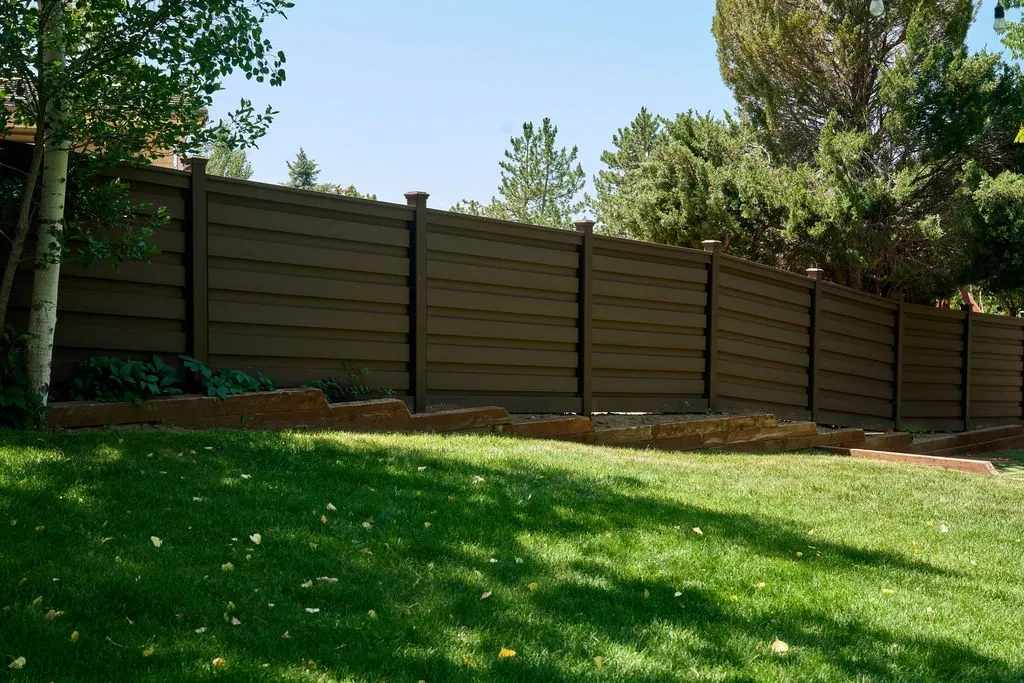
Vinyl fences are ideal for coastal environments because they resist salt, moisture, and UV exposure. They require little maintenance and won’t warp or rust over time. Properly installed vinyl fence installation can last for decades with minimal upkeep.
Aluminum Fencing
While not as private as vinyl, aluminum fences are powder-coated to prevent corrosion, making them excellent for areas close to the shoreline.
Pressure-Treated Wood
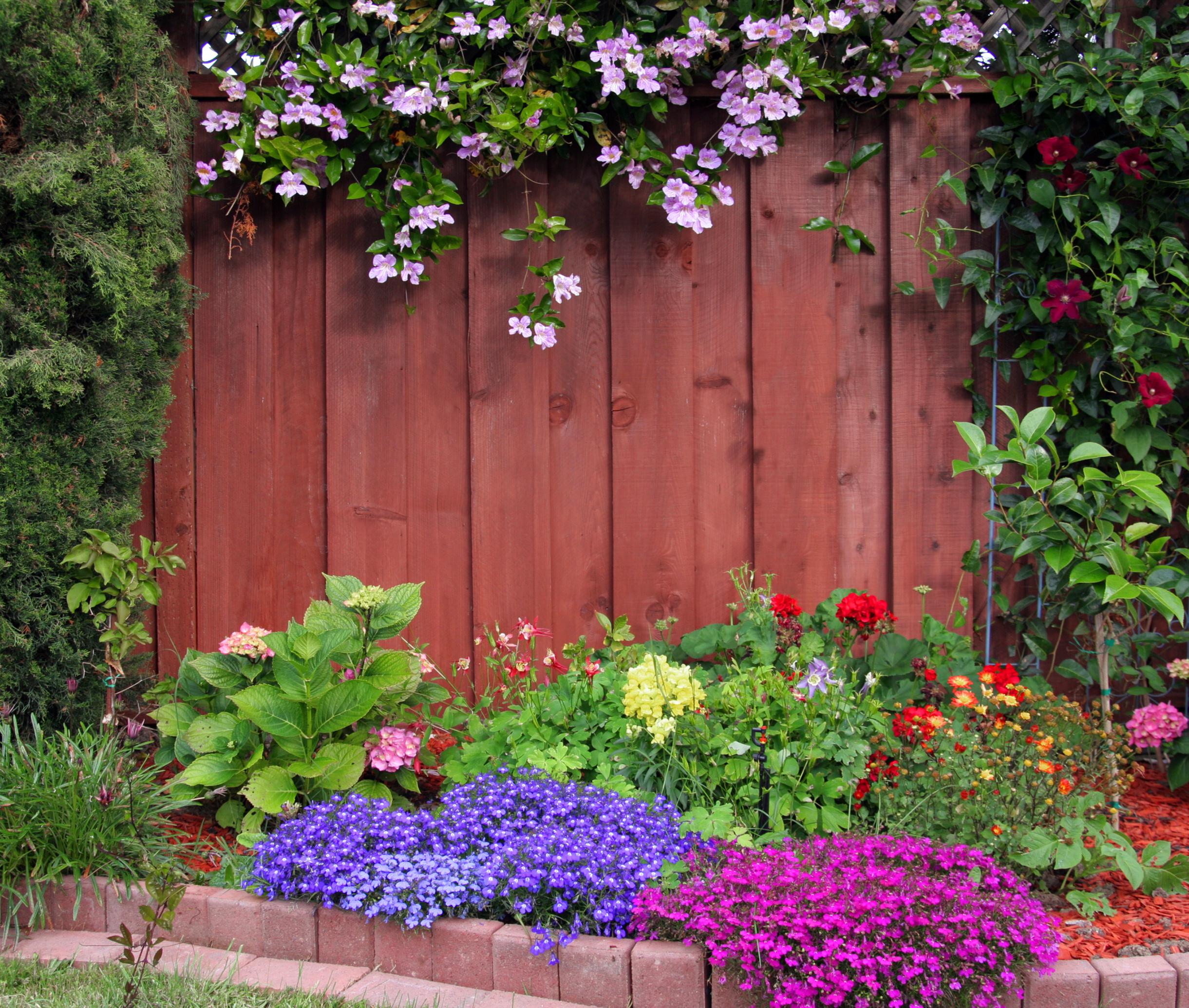
If you prefer a natural look, opt for pressure-treated or cedar wood, which resists insects and decay. Be sure to apply a waterproof sealant every few years to extend its lifespan.
For inspiration on durable material options, you can check out Capital Forest’s guide to coastal fencing solutions, which offers expert advice on selecting materials suited for high-humidity regions.
Expert Fence Installation Tips for Coastal Homes
Building a fence near the coast involves more than just digging holes and setting posts. Here are a few fence installation tips to help you achieve long-lasting results.
1. Go Deeper with Fence Posts
Since sandy coastal soils offer less stability, posts should be set deeper, at least one-third of the total post height, using concrete for a solid foundation.
2. Use Rust-Resistant Fasteners
Opt for stainless steel or galvanized hardware to prevent corrosion from salty air. Even small screws and hinges should be corrosion-resistant.
3. Account for Wind Flow
Instead of solid panels, consider fencing styles that allow wind to pass through, reducing pressure during storms.
4. Schedule Regular Maintenance
Coastal fences need periodic rinsing to remove salt residue and prevent buildup. Inspect annually for rust, cracks, or loosened posts.
If you’re uncertain about the right installation approach for your coastal property, consulting with Top Rail Fence Volusia County ensures you get expert advice tailored to local conditions.
Permits and Local Regulations in Volusia County
Before any fence installation project, homeowners should verify zoning regulations and property boundaries. In Volusia County, permits may be required depending on the fence height, location, and materials. Always contact your local building department to confirm compliance.
Additionally, if your property is part of a homeowners’ association (HOA), review their guidelines to avoid fines or costly removals later.
You can also visit the Volusia County Building and Zoning Division for more information about local fencing requirements.
Why Hire Local Experts
Coastal fence projects require specialized knowledge that only experienced local installers possess. Choosing a trusted professional like Top Rail Fence Volusia County ensures that your fence is not only durable but also compliant with local codes and weather conditions.
Local contractors understand the unique coastal climate and use proven techniques that extend fence life while enhancing your home’s aesthetic. They can also recommend the most suitable fence materials for your specific location within Volusia County.
Protect Your Coastal Property with the Right Fence
A well-planned fence installation protects your home from wind, sand, and salt while enhancing privacy and security. By selecting durable materials and hiring professionals familiar with coastal conditions, you can ensure your investment stands the test of time.
If you’re ready to start your project, Top Rail Fence Volusia County is here to help you choose the right fencing solution for your home. Learn more about our location or explore our expert fence installation services.
For personalized support or to get a free quote, don’t hesitate to contact us.
Final Thoughts
Building a fence near coastal areas in Volusia County requires careful planning and attention to detail. By following professional fence installation tips, selecting weather-resistant fence materials, and working with a trusted team like Top Rail Fence Volusia County, homeowners can enjoy a durable and beautiful fence that complements their coastal lifestyle for years to come.
Whether you’re considering vinyl fence installation or exploring other durable options, the right preparation will make all the difference in protecting your property against coastal wear and tear.