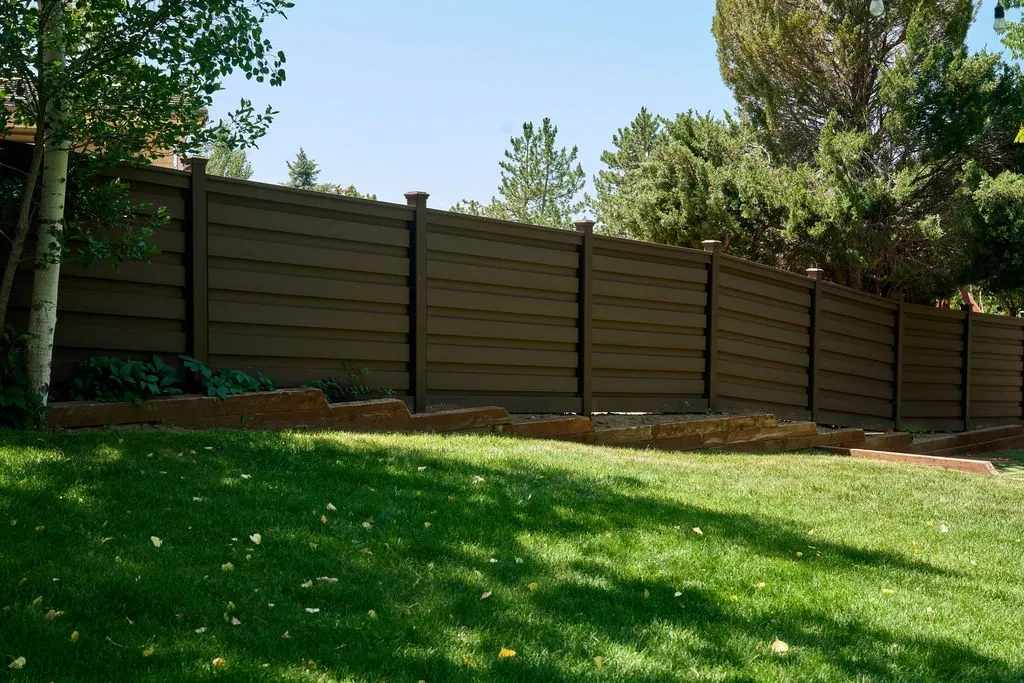
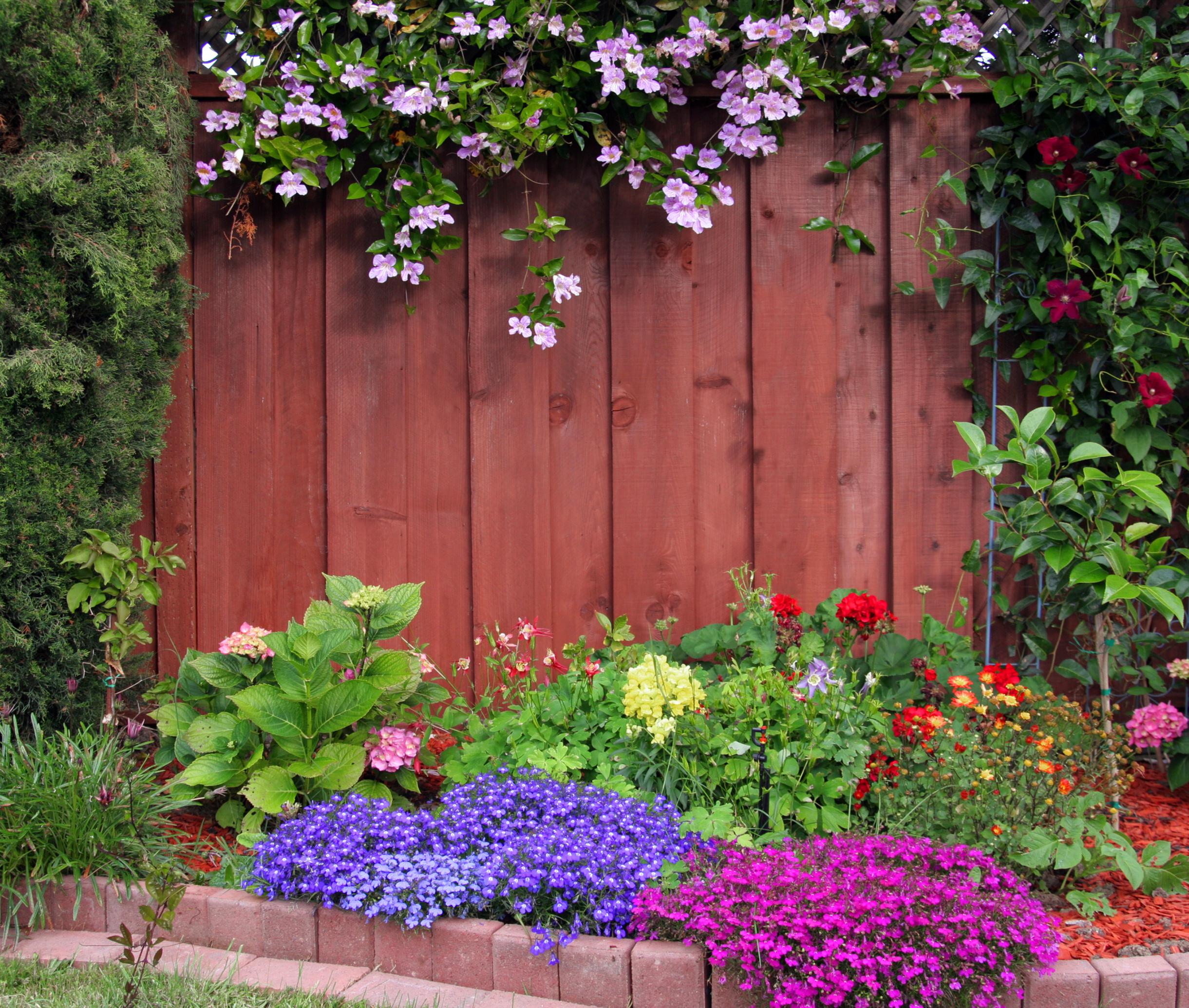
When homeowners begin planning wood fence installation in Volusia County, many are drawn to the natural beauty and durability of cedar fencing. Fresh cedar boards display warm tones ranging from light amber to rich reddish hues. Over time, however, exposure to sunlight, moisture, and coastal air gradually transforms that appearance into a soft silvery patina that many homeowners find equally appealing.
Property owners who explore fencing options with Top Rail Fence Volusia County often learn that this transformation is not a flaw but a natural process. The gradual aging of a cedar wood fence reflects how the material responds to the environment in Volusia County, blending durability with evolving character.
The Natural Life Cycle of Cedar Fencing
Wood is a living material even after it becomes part of a fence. Its appearance changes as it interacts with sunlight, air, and moisture.
Fresh Cedar’s Distinctive Appearance
At the time of wood fence installation, new cedar fence panels display vibrant colors and visible grain patterns. These natural variations give cedar fencing a warm and organic appearance that many homeowners prefer over synthetic materials.
The aromatic oils within cedar also contribute to its reputation as a durable fencing material. These oils help resist insects and reduce the risk of rot, making a cedar wood fence particularly well-suited for outdoor environments.
Gradual Color Changes Over Time
Within the first year after installation, sunlight begins altering the surface tone of cedar fencing. Ultraviolet rays break down pigments in the wood fibers, slowly shifting the color toward a muted gray.
This process occurs naturally in many outdoor cedar structures. For homeowners in Volusia County, the transformation often happens slightly faster due to strong Florida sunlight and coastal humidity.
Climate Factors That Shape Cedar’s Aging
The environment in Volusia County plays a significant role in how quickly cedar evolves from its original color to a weathered finish.
Sun Exposure and UV Impact
Florida’s bright sunshine accelerates the aging process for outdoor wood surfaces. Continuous exposure to ultraviolet rays gradually lightens the rich tones of cedar fencing.
Although the color changes, the structural integrity of a properly installed cedar wood fence remains strong. Many homeowners choose cedar specifically because its aging process produces an attractive natural patina rather than peeling or fading unevenly.
Moisture and Coastal Humidity
Humidity levels in Volusia County remain relatively high throughout much of the year. This moisture interacts with wood fibers and can influence how cedar weathers.
However, cedar’s natural oils provide resistance against excessive moisture absorption. During professional wood fence installation, proper spacing between cedar fence panels allows airflow that helps boards dry after rainfall.
Installation Techniques Influence Cedar Longevity
Even though cedar naturally resists decay, installation quality significantly affects how the fence performs over time.
Proper Post Placement and Support
The foundation of any fence begins with the posts. During wood fence installation, posts are secured deep in the ground and reinforced with concrete footings.
This structural base helps cedar fencing remain stable despite soil movement caused by rain or shifting ground conditions in Volusia County.
Panel Spacing and Air Circulation
Proper spacing between cedar fence panels is essential for preventing trapped moisture. When boards are installed too tightly, water may linger between them after rainfall.
Professionals performing wood fence installation ensure that panels allow airflow while maintaining privacy. This careful balance helps preserve the strength and appearance of a cedar wood fence.
Homeowners exploring cedar fencing options often discover that thoughtful installation details influence how gracefully the fence ages.
Design Features That Highlight Cedar’s Character
Beyond durability, cedar fencing offers visual versatility that adapts to many architectural styles.
Natural Texture and Grain Patterns
Each board in cedar fence panels contains unique grain patterns that contribute to a natural, handcrafted appearance. These variations create depth and texture that become more pronounced as the wood weathers.
Unlike synthetic materials, cedar fencing evolves visually over time, giving fences a distinctive character that reflects the surrounding landscape.
Compatibility with Multiple Fence Styles
Cedar can be crafted into numerous designs, including privacy fences, shadowbox styles, and decorative picket layouts. Regardless of the configuration, the natural aging process enhances the visual appeal of a cedar wood fence.
In many Volusia County neighborhoods, cedar fences complement both coastal homes and traditional residential architecture.
Maintenance Choices Affect the Aging Process
While cedar naturally ages into a silver gray tone, homeowners can influence how that transformation occurs.
Sealing to Preserve Original Color
Applying a protective sealant after wood fence installation can slow the weathering process and maintain cedar’s original warm tones for a longer period.
Sealants also add a layer of protection against moisture and sun exposure, helping extend the life of cedar fencing.
Allowing Natural Weathering
Some homeowners prefer to let their cedar wood fence age naturally. The resulting gray patina creates a rustic aesthetic that blends well with landscaping and outdoor environments.
According to the U.S. Forest Service wood durability research, cedar contains natural compounds that help resist decay even without heavy chemical treatments. This resilience is one reason cedar remains a popular material for outdoor structures.
Long-Term Benefits of Cedar Fencing
The gradual transformation of cedar does not reduce its value. In many cases, it enhances both durability and appearance.
Strength and Natural Resistance
The oils found within cedar fibers help repel insects and slow the development of rot. As a result, cedar fencing often lasts many years with minimal structural problems.
When installed correctly, cedar fence panels remain strong and stable even in climates with frequent rainfall and humidity.
Aesthetic Value for Residential Properties
Over time, the evolving appearance of a cedar wood fence can enhance curb appeal. The soft gray tones that develop with age often complement landscaping, stonework, and coastal architecture.
Homeowners who choose cedar frequently appreciate how the fence blends naturally into outdoor surroundings rather than appearing manufactured.
Many property owners in Volusia County work with Top Rail Fence Volusia County to ensure their cedar fence is designed and installed to age gracefully while maintaining structural strength.
Planning a Cedar Fence for Volusia County
Choosing cedar means embracing both durability and natural transformation. From the vibrant color of new boards to the weathered beauty that develops over time, cedar fencing reflects the changing environment around it.
Understanding how sunlight, humidity, and installation methods influence aging helps homeowners make confident decisions about wood fence installation. With proper planning and high quality cedar fence panels, fences can remain both functional and visually appealing for many years.
If you are considering a cedar wood fence for your property in Volusia County, expert guidance can help you choose the right design and installation approach. Visit the Contact Us page to speak with a fencing professional and begin planning a cedar fence that will evolve beautifully with time.