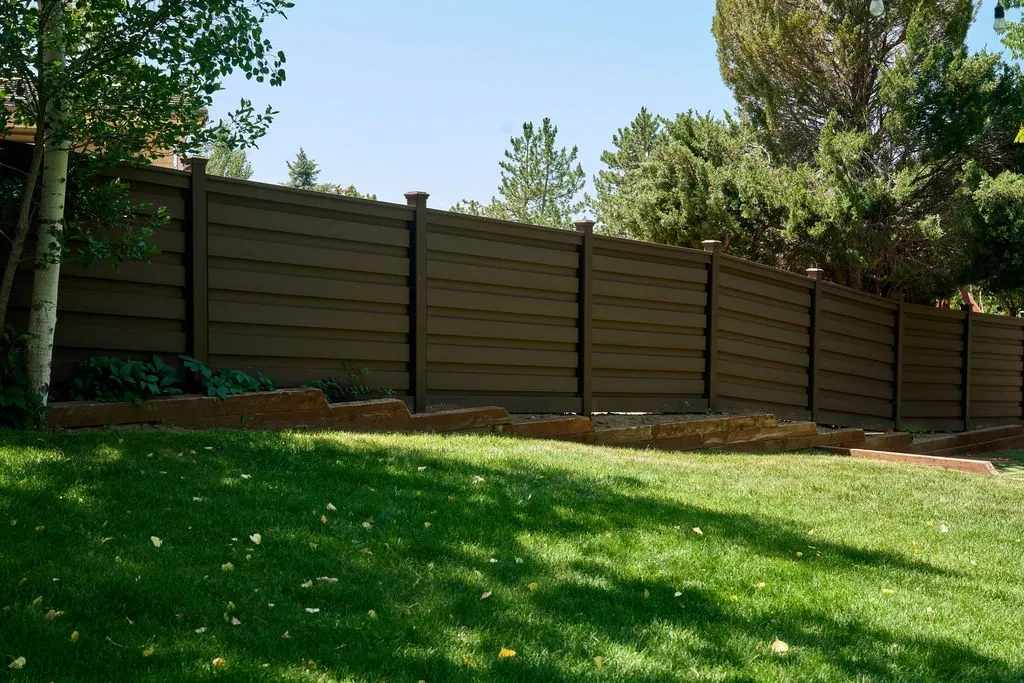
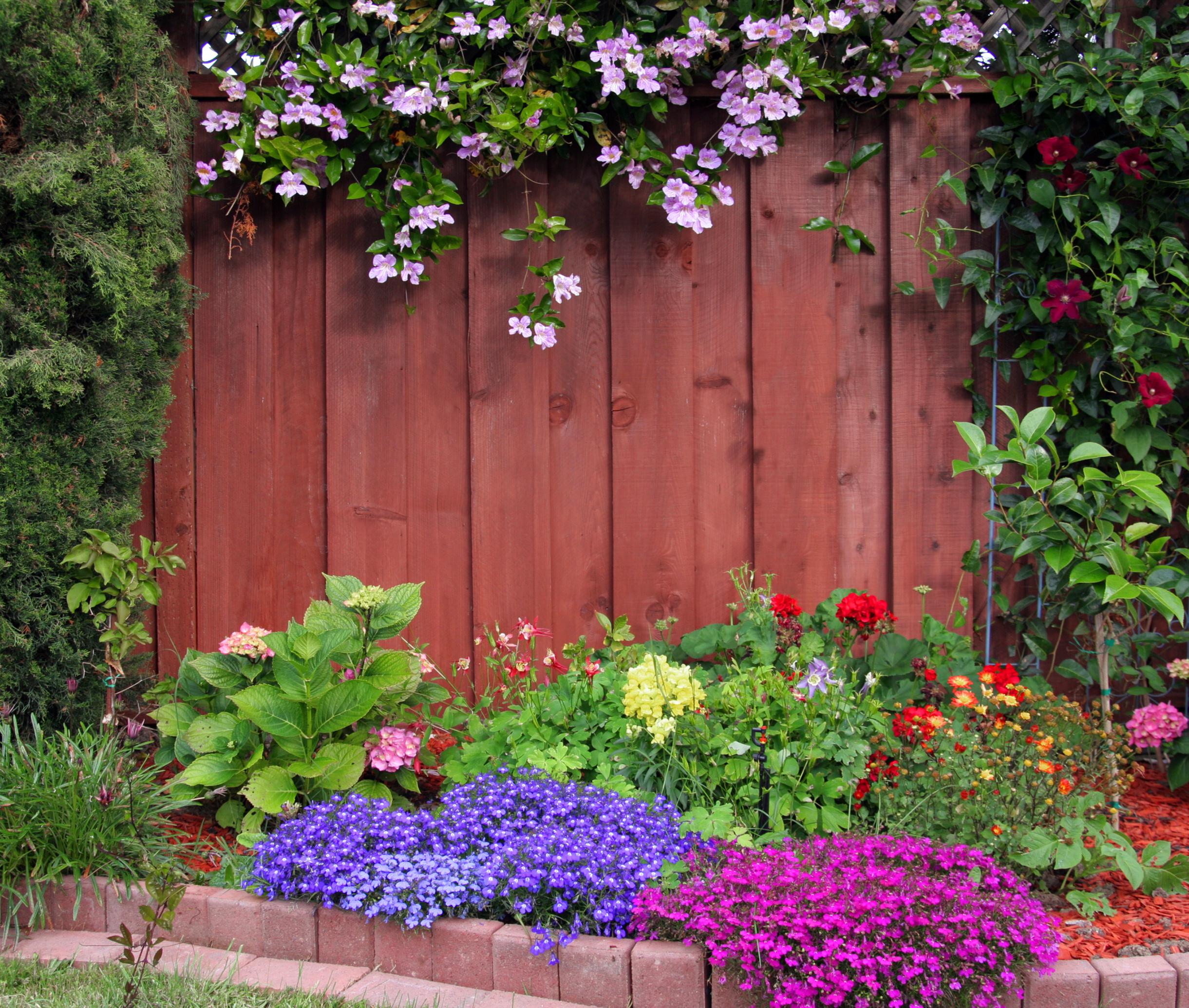
Every great fence starts long before the first post goes into the ground. Proper preparation ensures that your fence installation in Wilmington stands firm, looks beautiful, and lasts for decades. From evaluating soil conditions to marking property boundaries, a smooth project begins with the right groundwork.
Whether you’re planning a decorative vinyl fence or a durable privacy boundary, understanding how to get your yard ready can save time and prevent costly issues later. Let’s walk through how to properly prepare for a residential fence installation that enhances both your property’s function and curb appeal.
Understanding Your Yard’s Conditions
Before any fence installation begins, it’s crucial to understand your landscape. Soil type, slope, and drainage all influence how your fence will perform over time. Wilmington homeowners often deal with coastal soil that’s sandy and prone to shifting, so the foundation beneath your fence posts matters more than you might think.
A professional fence services provider like Top Rail Fence will conduct a soil assessment before digging. If your property sits on uneven terrain, they’ll recommend grading adjustments to ensure every section of your fence stands straight and secure. You can learn more about soil stabilization and landscape preparation in this helpful guide from the National Association of Landscape Professionals.
Step One: Marking Boundaries Accurately
One of the most common mistakes in fence installation is failing to confirm property lines. In Wilmington, encroaching on a neighbor’s property can lead to disputes and even require fence removal. Always review your property survey or contact local zoning offices before you begin.
Once boundaries are verified, mark the fence line using stakes and string. This helps visualize where gates, corners, and transitions will go. For added peace of mind, Top Rail Fence Wilmington recommends walking the perimeter to spot any potential obstructions, like sprinkler heads, tree roots, or underground cables, that could interfere with digging.
For those ready to take the next step, explore our Wilmington location page to connect with a trusted expert who can evaluate your property layout.
Step Two: Preparing the Ground for a Strong Foundation
Proper ground preparation makes or breaks your fence installation. Compacting loose soil, removing large rocks, and ensuring proper drainage around post areas are all essential. Moisture buildup can weaken fence posts over time, so consider adding gravel or concrete at the base of each post hole.
If you’re planning a residential fence installation, your contractor will check that post depths meet local codes and match the fence’s height and design. Typically, each post should be buried at least one-third of its total length for stability.
This is especially important in Wilmington, where coastal winds and heavy rains can stress poorly installed fences. That’s why working with professionals ensures your structure remains upright even during challenging weather conditions.
Step Three: Choosing the Right Fence Material
Not all fences are created equal, and your material choice affects both durability and upkeep. Fence services in Wilmington often recommend vinyl, wood, or aluminum, depending on your home’s style and needs.
Vinyl Fence: A Popular Modern Choice
A vinyl fence offers the perfect mix of elegance and low maintenance. It won’t warp, rot, or fade, making it ideal for homeowners who want a polished look with minimal upkeep. Vinyl is also resistant to salt air, which makes it a smart investment for Wilmington’s coastal climate.
Wood Fence: Classic Appeal
Wood remains a timeless favorite for homeowners who value a traditional aesthetic. However, it requires more maintenance than vinyl. Regular staining or sealing helps prevent damage from moisture and pests.
Aluminum Fence: Sleek and Secure
If security and durability are your top priorities, aluminum fences provide strength without sacrificing style. They resist rust and corrosion, making them an excellent fit for humid environments.
If you’re unsure which option fits your property, check out Top Rail Fence’s fence installation page for a breakdown of materials and design ideas.
Step Four: Preparing for the Installation Process
Once your property and materials are ready, it’s time to prepare for the actual build. Clear away debris, trim overgrown vegetation, and make sure utility companies have flagged underground lines. This step helps installers from Top Rail Fence Wilmington and Top Rail Fence work efficiently and safely.
It’s also smart to coordinate with neighbors if your fence runs along shared property lines. Good communication can prevent misunderstandings and foster a positive community relationship.
Maintaining Your New Fence for Years to Come
After a successful fence installation, regular maintenance ensures your investment stays strong and attractive. Vinyl and aluminum fences require only occasional cleaning, while wood fences need periodic sealing. To keep your fence looking spotless, Top Rail Fence Wilmington offers exterior cleaning services that complement your fencing upkeep perfectly.
For more details about ongoing care and cleaning, reach out through our Contact Us page. You can also visit our vinyl fencing blog to learn more about design trends and maintenance tips.
Final Thoughts
Preparing your yard properly before a fence installation sets the stage for success. From assessing soil conditions to selecting the perfect materials, every step matters. Wilmington homeowners can rely on Top Rail Fence Wilmington and Top Rail Fence for expert guidance, durable products, and seamless fence services that bring beauty and security to every property.
Whether you’re upgrading your backyard privacy or installing a modern vinyl fence, the right preparation will ensure your new structure stands strong for years to come.