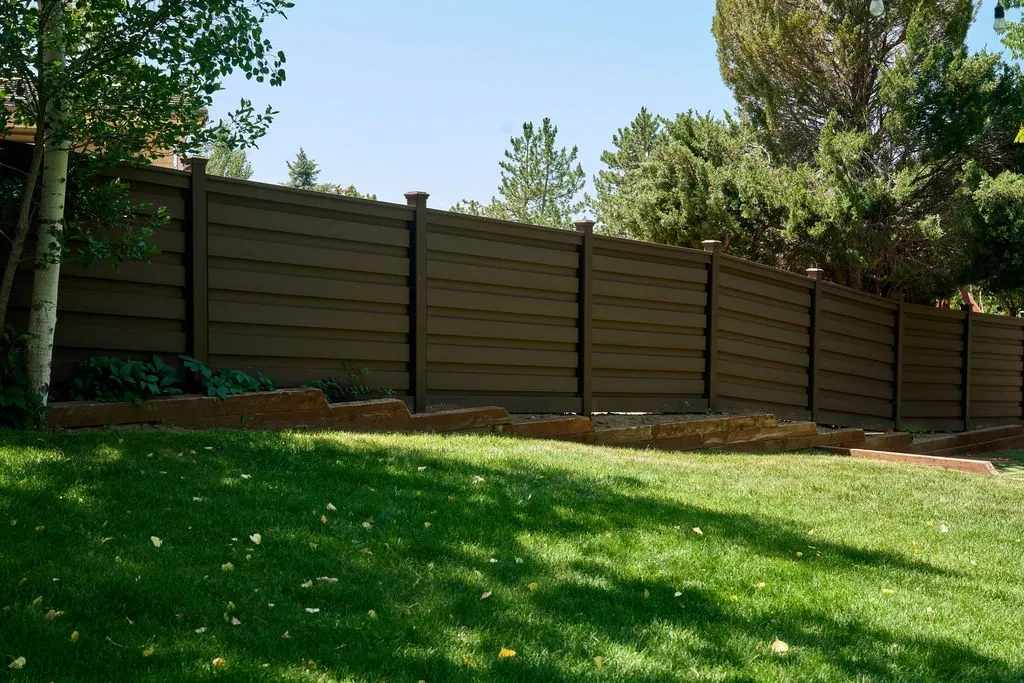
For many homeowners in Wilmington, installing vinyl fencing seems like a simple, long-term solution that balances style and durability. Yet after just one summer, some residents find themselves second-guessing their color choice. Intense sunlight, coastal humidity, and reflective heat can change how a fence looks and feels far faster than expected. That is why many homeowners now consult Top Rail Fence Wilmington before committing to a specific color.
A thoughtful approach to vinyl fencing color can prevent regret and ensure your fence continues to complement your home year after year.
What Summer Exposure Reveals About Vinyl Fence Color
While vinyl fencing is engineered for durability, color performance is often tested during the first summer. Sun exposure highlights undertones, heat retention, and contrast against landscaping that are not always obvious at installation.
Light Reflection and Heat Absorption
Lighter vinyl shades reflect sunlight and maintain a cooler surface temperature. Darker tones can absorb heat, making color intensity feel stronger and sometimes overwhelming once summer light fully hits the yard.
Visual Changes Over Time
Even fade-resistant materials may appear different once exposed to months of bright coastal sun. What looked subtle in spring can feel stark by August, prompting homeowners to rethink their original vinyl fence color options.
How Color Impacts Overall Yard Balance
Color choice does more than affect the fence itself. It influences how the entire yard feels during peak summer months.
Contrast With Landscaping
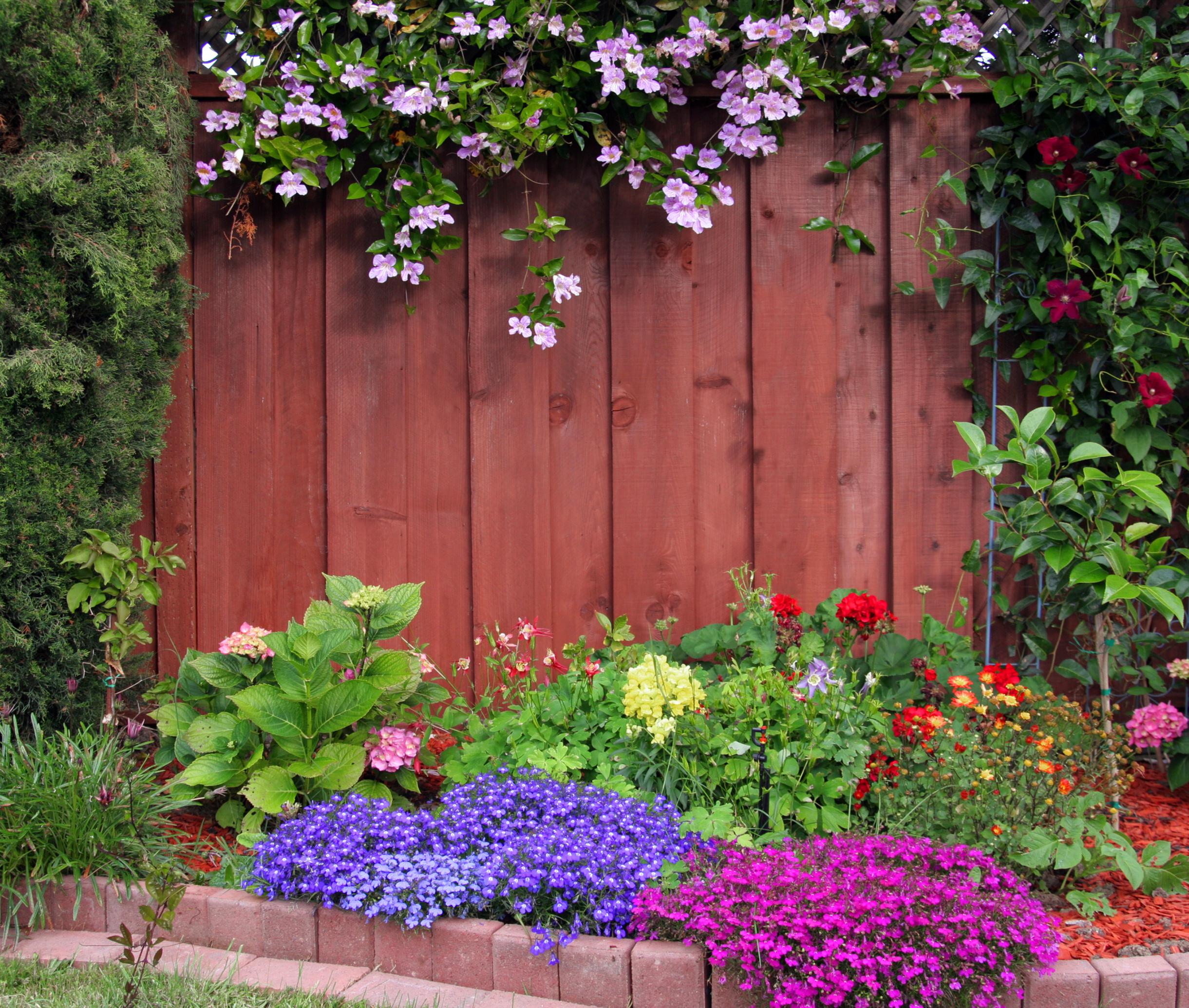
In Wilmington, greenery grows quickly in warm weather. White and light neutral vinyl fencing creates contrast that highlights landscaping, while darker tones may visually compress outdoor space once plants mature.
Relationship With Home Exteriors
Homes with coastal palettes, light siding, or brick facades respond differently to fence colors. A fence that matches too closely can fade into the background, while a poorly contrasted color can dominate the view.
Why Installation Timing Matters
Color decisions are often made during cooler months when lighting conditions differ drastically from summer. This disconnect is one reason homeowners reassess their choice after installation.
Seasonal Lighting Differences
Sun angles change significantly between winter and summer. A color chosen under soft light may behave differently when exposed to long daylight hours and direct sun.
Professional Guidance Reduces Regret
Experienced installers understand how vinyl fencing reacts to seasonal exposure. Homeowners reviewing vinyl fence installation considerations often benefit from seeing real-world examples before finalizing a color choice.
For homeowners researching practical design guidance, exploring vinyl fencing options mid-project helps connect color choices to long-term satisfaction.
Popular Color Shifts Homeowners Notice
Certain color trends tend to prompt second thoughts once summer conditions settle in.
Bright White Versus Soft White
Bright white fences can feel crisp initially, but may appear harsh under intense sun. Soft whites and off-white tones often feel more balanced after prolonged exposure.
Gray and Coastal Neutrals
Gray remains popular, yet undertone selection matters. Warm grays pair better with natural light, while cool grays can appear flat or bluish in summer glare.
Wood-Look Vinyl Finishes
Wood-grain vinyl appeals to homeowners seeking warmth without maintenance. These finishes often age visually better through summer since the texture diffuses sunlight.
Understanding Vinyl Performance in Coastal Climates
Color durability depends on manufacturing quality and UV resistance. Homeowners concerned about long-term appearance often look for third-party insight into material performance.
According to guidance from NC State Extension, UV exposure and salt-air environments can intensify visual wear, making color selection especially important in coastal regions like Wilmington.
This reinforces why vinyl fencing color should be evaluated with climate in mind, not just appearance at installation.
Residential Installation Choices That Influence Color Longevity
How a fence is installed can subtly impact how color is perceived over time.
Fence Height and Spacing
Taller fences reflect more light and show color variation more clearly. Thoughtful spacing and panel selection help moderate visual intensity.
Yard Orientation
South-facing yards receive more sunlight, which can amplify brightness and heat retention. Color choice should reflect yard orientation as much as personal preference.
These details matter during residential fence installation, especially for homeowners planning long-term use.
Making a Color Choice You Will Not Regret
Choosing the right vinyl fencing color requires balancing design goals with environmental realities. Homeowners who evaluate color samples outdoors, observe summer lighting, and consider landscaping growth are less likely to reconsider their decision later.
This approach is why Top Rail Fence Wilmington emphasizes education and real-world visualization during the planning process.
Final Thoughts on Vinyl Fence Color in Wilmington
A single summer can reveal more about vinyl fencing color than years of brochures or showroom displays. Sun exposure, yard orientation, and coastal conditions all influence how a fence looks long after installation day.
Homeowners ready to explore vinyl fence color options that truly fit their property can work with Top Rail Fence Wilmington for guidance tailored to local conditions. To discuss your goals, materials, and residential fence installation plans, visit the Contact Us page and schedule a consultation with a local fencing professional.