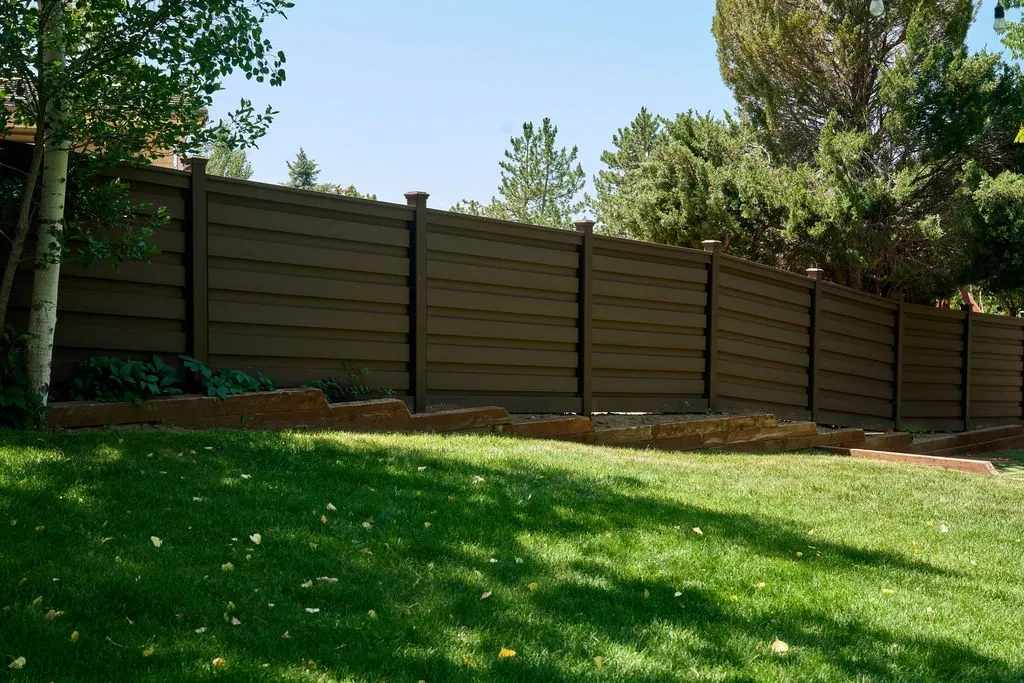
In Wilmington, tropical downpours can quickly transform a calm backyard into a landscape shaped by flowing water, pooling runoff, and shifting soil. While many homeowners focus on roofs and gutters during storm season, a properly executed vinyl fence installation can quietly reveal how well a yard handles drainage. Subtle changes along fence lines often indicate whether water is moving efficiently or creating long-term stress on the property. Many residents begin evaluating their outdoor layout by reviewing the Top Rail Fence Wilmington page to understand how local soil and coastal weather influence fence design decisions.
Because fencing runs along the perimeter of a property, it naturally interacts with slope, runoff patterns, and soil saturation. Observing how your fence performs after heavy rain can provide valuable insight into underlying drainage conditions.
How Heavy Rain Exposes Drainage Patterns
After a tropical storm passes through Wilmington, take a walk along your fence line. Standing water near posts, soil erosion beneath panels, or visible shifting can indicate improper water flow. A thoughtfully planned vinyl fence installation accounts for grading and drainage, ensuring posts remain secure even during extended rainfall.
Signs of Pooling Water
If water collects at the base of posts, it may suggest that the yard lacks sufficient slope away from the fence. While vinyl materials resist moisture damage, prolonged pooling can affect soil stability. Professional fencing services evaluate both fence placement and terrain grading to reduce this risk.
Erosion Beneath Fence Panels
Tropical downpours can wash soil away from low points along the perimeter. When erosion occurs beneath a fence, small gaps may appear between panels and the ground. Although this does not always require immediate vinyl fence repair, it signals that drainage adjustments may be necessary.
The Role of Fence Design in Water Management
Effective fence design does more than define property boundaries. It also accommodates natural water movement. For example, slightly elevated panels or carefully spaced posts can allow runoff to pass without placing excessive pressure on structural components.
Post Depth and Soil Anchoring
A quality vinyl fence installation includes properly set posts anchored below the frost line and secured in stable soil. In coastal regions like Wilmington, sandy or clay-heavy soil can shift when saturated. Deep, reinforced post placement helps prevent leaning or misalignment after storms.
Panel Configuration and Ground Clearance
The spacing between the bottom rail and the ground surface can influence how water flows beneath the fence. Too little clearance may trap debris, while too much can create visible gaps. Professional fencing services strike a balance that maintains visual appeal while supporting effective drainage.
When Drainage Issues Lead to Repairs
Although vinyl is highly durable, extreme water flow can create stress points. If a fence begins to lean or panels separate from posts, a timely vinyl fence repair can restore alignment before more extensive work becomes necessary.
Homeowners often assume that structural shifts indicate material failure. In reality, the underlying issue is often related to soil movement caused by water saturation. Addressing drainage first prevents repeated repair cycles.
For a deeper look at installation methods that account for terrain and runoff, homeowners can explore our vinyl fence installation services page to see how expert planning minimizes post-storm concerns.
Preventive Strategies After Tropical Storms
Proactive maintenance reduces the likelihood of unexpected vinyl fence repair and extends the life of your investment.
Inspecting Alignment and Stability
After heavy rain, visually check that fence posts remain upright and panels sit evenly. Slight leaning may indicate soil softening. Early evaluation allows professionals to reinforce affected areas before the next storm cycle.
Improving Yard Grading
If water consistently flows toward the fence, minor landscaping adjustments may redirect runoff. Adding soil to low spots or improving drainage channels can relieve pressure along the fence line. Experienced fencing services often coordinate with homeowners to ensure grading complements the original fence design.
Clearing Debris and Obstructions
Leaves, mulch, and yard debris can accumulate along fence bases, blocking water flow. Keeping these areas clear supports natural drainage and reduces unnecessary strain on posts and panels.
Why Professional Installation Matters in Coastal Areas
In storm-prone environments like Wilmington, the difference between average and exceptional vinyl fence installation becomes clear after significant rainfall. Top Rail Fence Wilmington incorporates drainage considerations into every project, aligning fence placement with slope and soil conditions from the beginning.
By combining durable materials with strategic planning, they help homeowners avoid repeated adjustments and unnecessary vinyl fence repair. Proper installation also enhances overall fence design, ensuring both functionality and visual harmony with the landscape.
According to the Federal Emergency Management Agency floodplain guidance, managing water flow and soil stability plays a critical role in protecting residential structures. While fences are not primary flood barriers, their placement can reveal important drainage trends around a property.
Long-Term Benefits of Drainage-Aware Fence Planning
A carefully executed vinyl fence installation serves as more than a boundary. It becomes a subtle indicator of how effectively a yard handles tropical weather. By monitoring post stability, panel alignment, and soil conditions after downpours, homeowners gain insight into potential grading improvements.
Residents throughout Wilmington often rely on Top Rail Fence Wilmington for expert recommendations that align fence design with local climate realities. Their experience with coastal terrain allows them to deliver reliable fencing services tailored to both aesthetics and environmental performance.
If your backyard shows signs of pooling water or shifting soil after storms, professional guidance can make a significant difference. Visit the Contact Us page to connect with Top Rail Fence Wilmington and schedule a consultation. A drainage-conscious approach to vinyl fence installation today can prevent costly vinyl fence repair tomorrow while preserving the strength and beauty of your property for years to come.