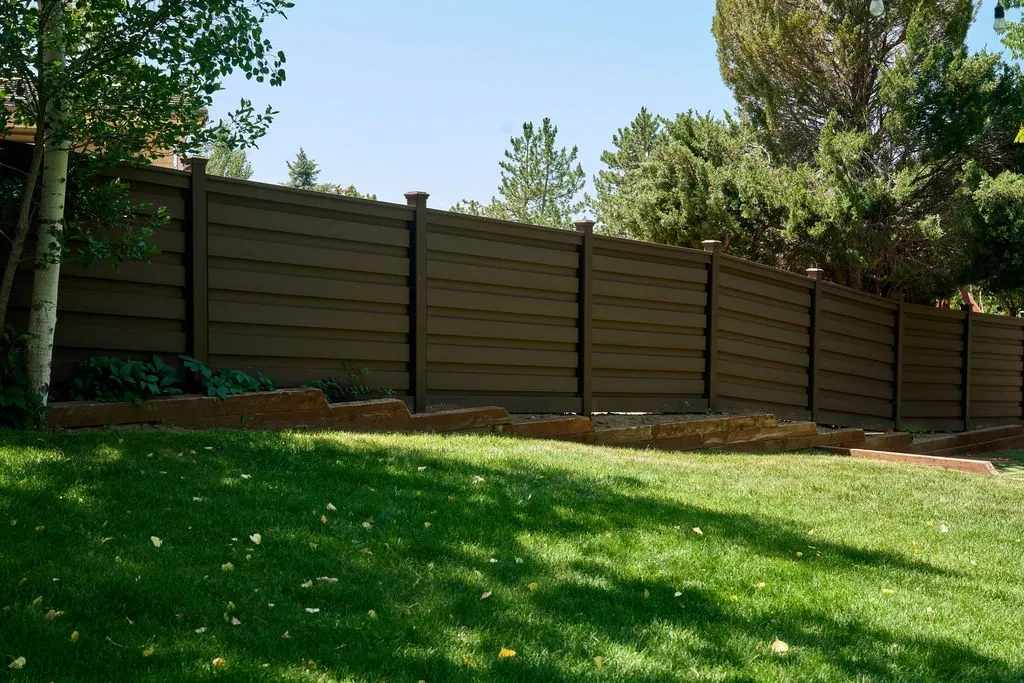
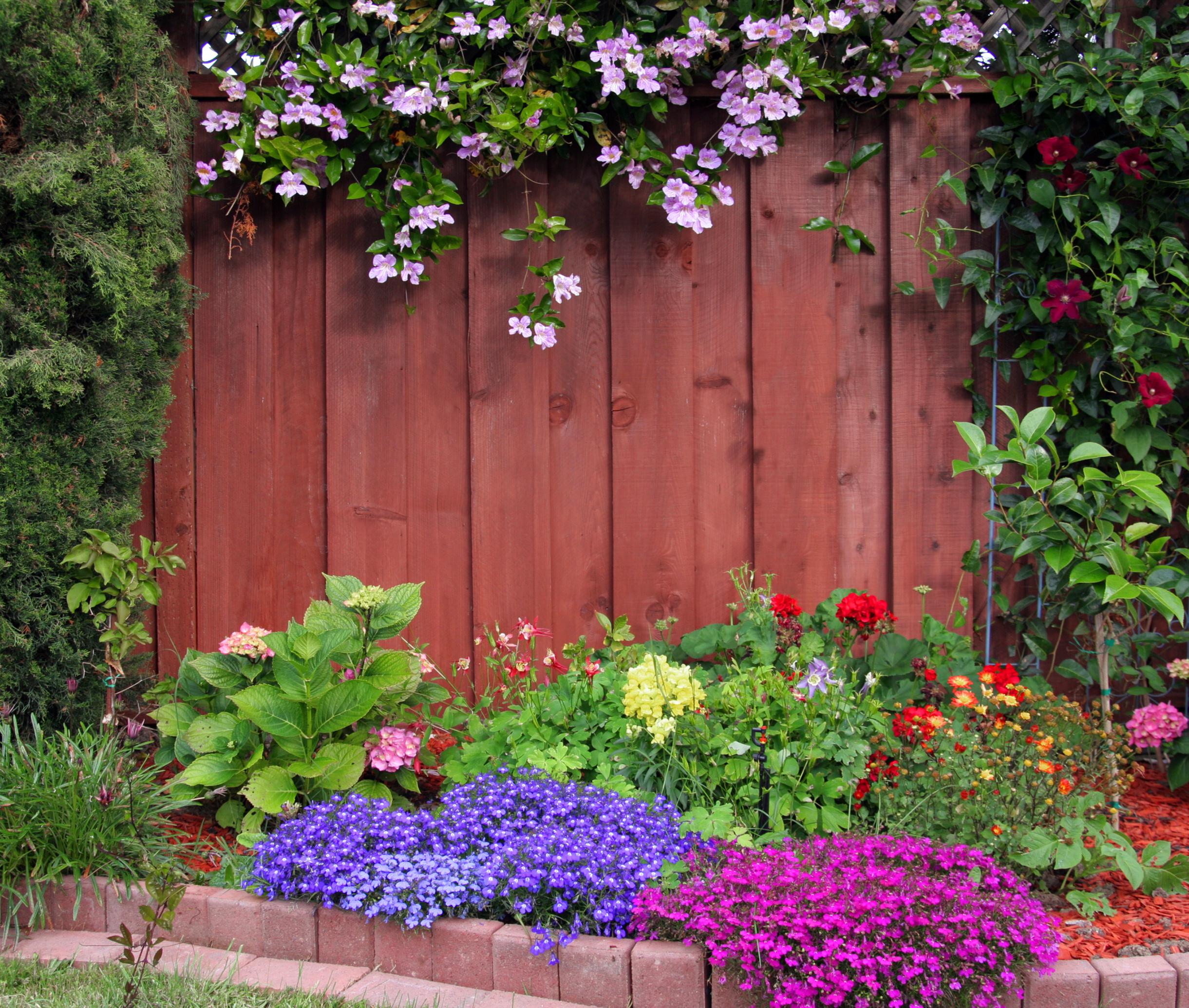
Homes across Wilmington are known for mature oaks, dense canopies, and established landscapes that bring character and shade to residential properties. While these trees enhance curb appeal, they also create unique challenges when planning wood fencing. Root systems, uneven soil, shade retention, and moisture exposure all influence how a fence performs long-term. This is why many homeowners researching Top Rail Fence Wilmington quickly realize that traditional fencing methods often fall short in tree-heavy yards.
Although wood fence installation remains popular for its natural look, modern projects increasingly blend lessons learned from vinyl fence installation to achieve stability, longevity, and adaptability under challenging conditions. Understanding how trees interact with fencing materials is the first step toward a smarter approach.
How Mature Trees Change Fence Planning
Large trees alter soil composition and moisture levels over time. Roots expand beneath the surface, creating pressure that can shift fence posts and panels. Dense shade prevents rapid drying after rainfall, increasing the risk of rot for untreated materials. These factors explain why standard residential fencing strategies often fail in established neighborhoods.
Borrowing techniques from vinyl fencing projects has helped contractors refine post spacing, depth, and alignment in wooded yards. While vinyl and wood differ in material, the installation principles that protect against movement and moisture overlap significantly.
Soil Movement and Root Expansion
Tree roots rarely grow straight down. They spread outward, competing for space beneath fence lines. This constant movement can loosen posts over time. Adjusting post placement and using reinforced footings reduces stress on both wood and vinyl systems, creating a more long-lasting fence regardless of material choice.
Choosing the Right Wood in Shaded Environments
Not all woods perform equally under heavy canopy coverage. Selecting appropriate lumber is essential when planning wood fence styles in shaded yards. Cedar and pressure-treated pine are commonly used because they tolerate moisture better than untreated alternatives.
However, even the best wood benefits from installation methods refined through vinyl fence installation experience. Proper spacing, airflow considerations, and drainage techniques help wood fencing maintain integrity in low-sun conditions.
Adapting Fence Styles to Tree Density
Certain wood fence styles work better in tree-dense yards. Shadowbox and spaced-board designs promote airflow, allowing moisture to evaporate more efficiently. These styles reduce long-term deterioration while preserving privacy and visual appeal.
Installation Techniques That Protect Fence Longevity
A different approach to wood fence installation starts below ground. Deeper post settings, gravel drainage layers, and strategic alignment help counteract shifting soil caused by roots. These methods mirror best practices used in vinyl fence installation, where precision is critical for long-term performance.
Homeowners exploring mixed-material strategies often review vinyl fence installation resources to understand how professional techniques translate across fence types. Applying these standards to wood improves durability without sacrificing aesthetics.
Preventing Premature Repairs
Improper installation leads to leaning panels, loose boards, and frequent fixes. Thoughtful planning reduces the need for ongoing vinyl fence repair or wood board replacement, saving time and cost over the life of the fence.
Moisture Management Under Tree Canopies
Shade increases moisture retention in soil and on fence surfaces. Without proper airflow and drainage, even high-quality wood deteriorates faster. Installing fences with slight elevation gaps and sealed post bases helps mitigate this issue.
Incorporating moisture-control insights from vinyl fencing installations has proven effective in extending wood fence lifespan, particularly in coastal environments like Wilmington.
Balancing Aesthetics and Practical Performance
Many homeowners choose wood fencing for its warmth and natural appearance. In tree-lined yards, wood blends seamlessly with the landscape, creating a cohesive outdoor environment. However, aesthetics should not override performance.
A well-planned fence balances visual appeal with engineering principles borrowed from vinyl fence installation projects. This balance results in a wall that looks intentional rather than reactive to environmental stress.
Long-Term Value Over Short-Term Savings
Cutting corners during installation often leads to increased maintenance costs. Investing in proven techniques creates a long-lasting fence that retains value and function over time, even in challenging landscapes.
Expert Insight on Trees and Fence Durability
Urban forestry and residential construction experts emphasize the importance of adapting structures to existing trees rather than removing them. According to guidance from the North Carolina Forest Service, preserving mature trees while adjusting construction practices supports both environmental health and property longevity. This philosophy aligns with modern fencing strategies in wooded neighborhoods.
Why Local Experience Matters
Tree density varies widely across Wilmington, making local expertise essential. Contractors familiar with soil conditions, native tree species, and drainage patterns can anticipate challenges before they become costly problems. This is why homeowners consistently rely on Top Rail Fence Wilmington for tailored fencing solutions that respect existing landscapes.
Final Thoughts on Wood Fencing in Tree-Rich Yards
Mature trees should not limit your fencing options. With the right planning, wood fence installation can succeed even under dense canopies. Applying lessons from vinyl fencing, prioritizing drainage, and selecting appropriate wood fence styles all contribute to a fence that performs as well as it looks.
For homeowners seeking guidance on balancing trees, terrain, and residential fencing, Top Rail Fence Wilmington offers solutions designed for real-world conditions. To discuss your project, evaluate materials, or schedule a consultation, visit the Contact Us page and move forward with confidence on a long-lasting fence built for Wilmington landscapes.