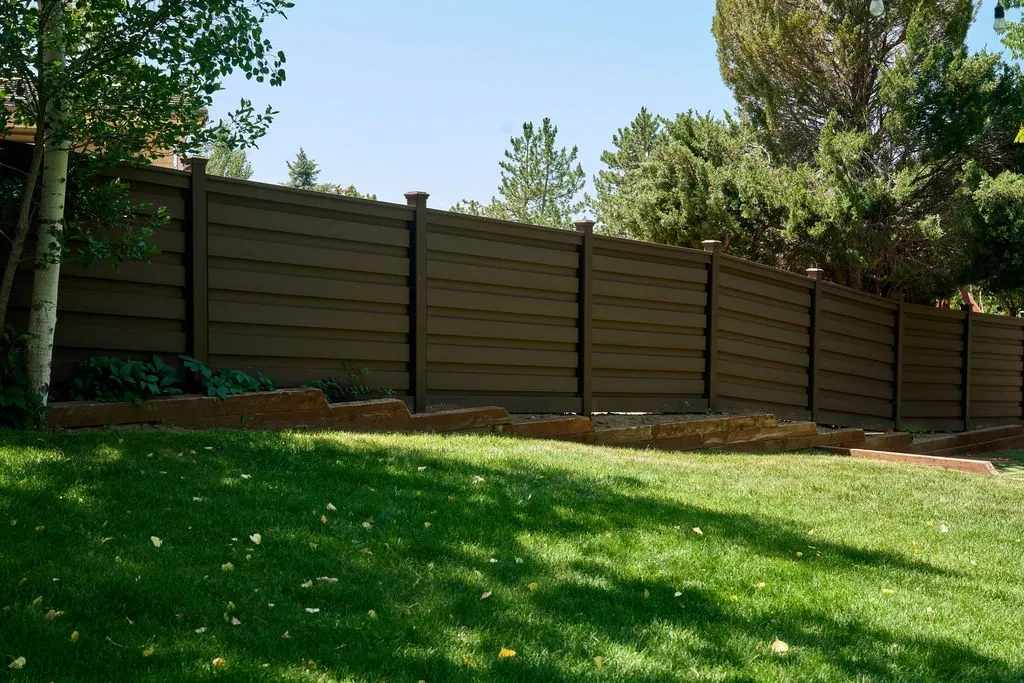
Walk through different neighborhoods in Wilmington and you will notice something interesting. Two wood fences installed around the same time can age in completely different ways. One may still look straight and sturdy, while another shows fading, board movement, or uneven wear. These differences are not random. They are shaped by microclimates, installation methods, and material choices. Homeowners researching long-term performance often begin with Top Rail Fence Wilmington to understand how local conditions affect wood fence installation outcomes from street to street.
Understanding how and why these differences happen helps homeowners plan fences that age more gracefully.
Why Location Matters More Than Homeowners Expect
Coastal Exposure Versus Sheltered Streets
In Wilmington, proximity to the coast plays a major role in fence aging. Homes closer to open waterways or exposed corridors experience higher salt content in the air and stronger winds. This accelerates moisture absorption and drying cycles, which can strain wood fence materials over time.
In contrast, neighborhoods tucked behind tree lines or surrounded by other homes often experience calmer airflow. These conditions allow boards to dry more evenly, reducing stress on fasteners and joints. As a result, the same wood fence installation can perform very differently depending on block-level exposure.
Drainage Patterns and Soil Conditions
Subtle changes in elevation also influence how fences age. Poor drainage causes moisture to linger at the base of posts and fence boards, increasing the risk of rot. Areas with sandy or well-draining soil allow water to move away from posts faster, preserving structural integrity longer.
Professional installers familiar with Wilmington terrain adjust post depth and spacing to account for these variations.
How Wood Fence Materials React Over Time
Board Density and Grain Orientation
Not all wood fence materials respond the same way to humidity and heat. Boards with tighter grain patterns tend to resist warping and splitting better than loosely grained alternatives. Vertical grain orientation also helps boards expand and contract more evenly during seasonal changes.
This is why homeowners on the same street may see different aging patterns even when fences look similar from a distance.
Treated Versus Untreated Fence Boards
Pressure-treated lumber is commonly used in wood fence installation to resist insects and decay. However, treatment alone does not prevent movement caused by moisture cycling. Untreated cedar, while more expensive, often ages more uniformly due to natural oils that repel moisture.
Many homeowners exploring options midway through ownership review wood fencing solutions to compare how different materials perform long term in their specific neighborhood.
Installation Choices That Shape Aging Patterns
Post Placement and Spacing
Improper post spacing places extra stress on fence boards, especially during wind events. In exposed areas of Wilmington, tighter spacing improves load distribution and reduces flexing.
Post depth also matters. Shallow footings are more susceptible to movement in sandy soils, leading to leaning sections even when boards remain intact.
Fasteners and Hardware Quality
The hardware used during wood fence installation quietly influences aging. Galvanized or stainless steel fasteners resist corrosion better in coastal air. Lower-quality fasteners may stain surrounding wood or loosen prematurely, giving the impression that the fence itself is failing.
Sunlight Creates Uneven Wear Patterns
South-Facing Versus Shaded Yards
Sun exposure accelerates aging by breaking down protective finishes. South-facing fences in Wilmington often fade faster and require more frequent sealing. Shaded fences may retain color longer but face higher moisture retention risks.
This balance explains why fences on opposite sides of the same block can age differently even when installed at the same time.
Finish Selection Makes a Difference
Semi-transparent stains allow wood to breathe while offering UV protection. Solid stains provide stronger sun resistance but may peel over time if moisture gets trapped. Choosing the right finish for your block’s exposure pattern significantly affects long-term appearance.
According to guidance from the U.S. Forest Service Wood Products Laboratory, moisture management is one of the most critical factors in extending wood product lifespan.
Maintenance Habits That Extend Fence Life
Cleaning and Inspection Timing
Routine inspections catch early signs of board movement or fastener corrosion. Gentle cleaning prevents mildew buildup that can trap moisture against fence boards. Homeowners who follow simple maintenance routines often delay replacement for many years.
Adjusting Care by Neighborhood Conditions
There is no single maintenance schedule that fits all of Wilmington. Fences in exposed areas benefit from more frequent inspections, while sheltered locations may need less intervention. Understanding your block’s conditions helps tailor care without unnecessary effort.
Why Professional Installation Matters Locally
Experienced installers understand how wood fence installation should adapt to microclimates rather than relying on generic layouts. Many homeowners credit Top Rail Fence Wilmington for recognizing subtle site differences that influence post depth, spacing, and material selection.
Professional planning reduces premature aging and preserves both function and appearance.
When Aging Signals Change Rather Than Failure
Natural Character Versus Structural Concern
Not all signs of aging indicate a problem. Color changes and minor surface checks are normal for wood fence materials. Structural issues such as leaning posts or loose rails, however, require attention.
Knowing the difference helps homeowners avoid unnecessary replacements while addressing real risks early.
Replacement Is Often a Design Choice
Many homeowners replace wood fencing not because it fails, but because their outdoor needs evolve. Even then, understanding how fences age block by block helps guide smarter redesign decisions.
Final Thoughts on Wood Fence Aging in Wilmington
In Wilmington, wood fences age according to their surroundings as much as their materials. Coastal exposure, drainage, sunlight, and installation quality all shape how a fence looks years later. By choosing the right wood fence materials, planning a climate-aware wood fence installation, and working with local professionals like Top Rail Fence Wilmington, homeowners can enjoy fences that age with character rather than frustration.
If you are evaluating an existing fence or planning a new project, the best next step is reaching out through the Contact Us page to get guidance tailored to your specific block and conditions.