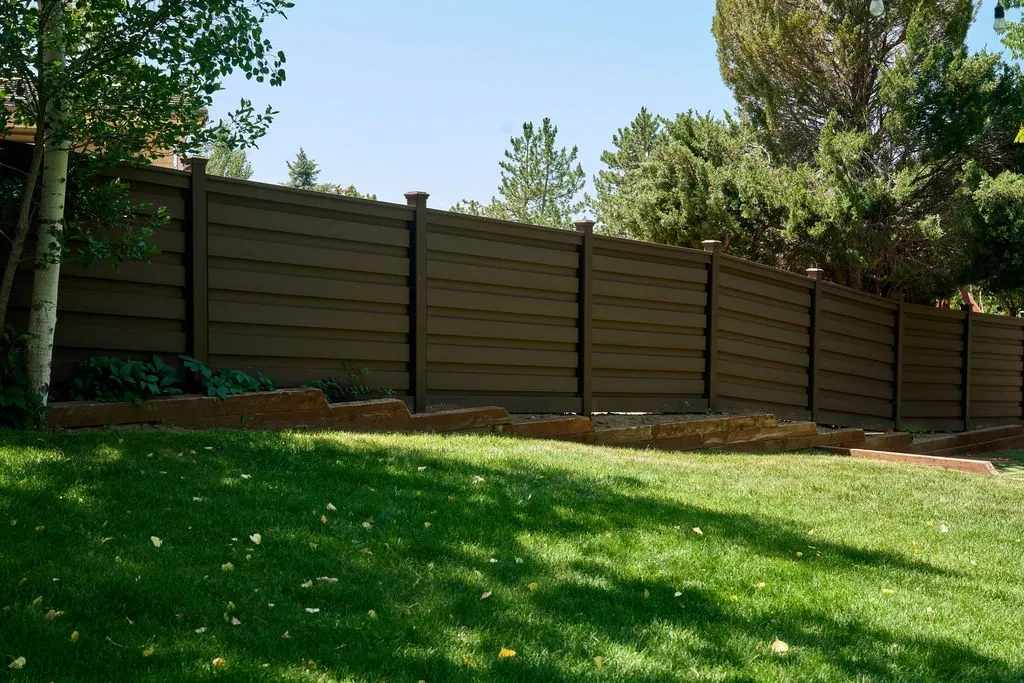
Spend a full summer in Wilmington, and you quickly understand how intense Carolina humidity can be. By late August, many homeowners begin noticing subtle changes in their fences. Gates may feel slightly heavier, boards may appear tighter together, and most importantly, each wood fence post may look or feel different at ground level. Those researching long-term durability often start with Top Rail Fence Wilmington to understand how seasonal moisture affects structural performance.
Humidity does not damage a fence overnight. Instead, it gradually influences expansion, soil conditions, and the stability of every wood fence post supporting the structure.
Why Humidity Targets the Fence Post First
Ground Saturation After Weeks of Rain
In Wilmington, summer storms can saturate the soil for extended periods. When the ground holds moisture, the base of each wood fence post absorbs that dampness. Even pressure-treated lumber expands slightly as it takes on water.
As posts swell, the surrounding soil may shift. Once the ground dries, small gaps can form around the post. This cycle of expansion and contraction is one of the most common reasons fences feel slightly less rigid after a humid season.
Below Grade Moisture Retention
Above-ground boards dry faster because they receive airflow and sunlight. The buried portion of a wood fence post does not have that advantage. Moisture lingers below grade much longer, especially in areas with dense soil.
Proper wood fence installation accounts for this by incorporating gravel backfill and appropriate post depth. These installation details are often invisible but play a critical role in long-term stability.
Visual Clues Homeowners Notice in Late Summer
Slight Leaning or Subtle Shifts
After months of humidity, some homeowners observe a mild lean in one section of their residential wood fencing. Often, the boards themselves are intact. The movement typically originates at the wood fence post, where soil conditions have changed.
Addressing minor shifts early can prevent larger alignment issues later. Monitoring fence lines at the end of summer helps catch small concerns before they require extensive wood fence repair.
Gate Alignment Changes
Gates place extra stress on hinge side posts. When humidity softens soil, that hinge-side wood fence post may move slightly, causing the gate to rub or sag.
This does not necessarily mean the fence was installed incorrectly. Instead, it reflects how moisture interacts with weight-bearing sections of residential wood fencing in a humid coastal climate.
How Materials Respond to Carolina Moisture
Treated Posts and Moisture Resistance
Pressure-treated lumber is widely used in wood fence installation because it resists decay and insects. However, treatment does not eliminate expansion. It simply slows deterioration.
In humid conditions like those in Wilmington, treated lumber performs best when combined with corrosion-resistant fasteners and proper drainage planning. According to research from the International Association of Certified Home Inspectors, moisture management significantly affects treated wood longevity.
Board Expansion Versus Post Stability
While boards expand across their width during humid months, the wood fence post carries the structural load. If posts remain stable, expanded boards typically settle back into place once drier weather returns.
This is why post integrity is more critical than minor board swelling. A strong post foundation supports the entire fence line through seasonal changes.
Installation Decisions That Reduce Humidity Impact
Post Depth and Spacing
Correct post depth helps anchor each wood fence post below the most active moisture layer in the soil. In Wilmington, deeper installation often improves stability during heavy summer rainfall.
Spacing also matters. Properly spaced posts distribute weight evenly across rails and pickets. Experienced teams like Top Rail Fence Wilmington evaluate soil type and drainage before beginning any wood fence installation project.
Drainage Planning Around Fence Lines
Sometimes, humidity problems begin with landscape grading rather than the fence itself. If water pools along the fence line, the base of each wood fence post remains wet for extended periods.
Homeowners exploring preventative solutions often review residential wood fencing options to understand how layout adjustments can improve airflow and drainage without sacrificing privacy.
When to Consider Wood Fence Repair
Identifying Structural Versus Cosmetic Issues
Surface discoloration after a humid summer is common. Structural concerns are different. If a wood fence post feels loose when gently pushed or if rails separate from posts, it may be time for professional wood fence repair.
Early repairs often involve reinforcing or resetting individual posts rather than replacing the entire fence. Acting promptly helps preserve surrounding sections of residential wood fencing.
Reinforcing Instead of Replacing
In many cases, targeted wood fence repair restores full stability. Reinforcement brackets, improved backfill, or resetting a compromised wood fence post can extend the life of an existing fence by years.
An experienced contractor can determine whether simple reinforcement will solve the issue or if more extensive repairs are necessary.
Seasonal Maintenance That Makes a Difference
Late Summer Inspections
The end of summer is an ideal time to walk the fence line. Check each wood fence post for firmness at ground level. Look for gaps between soil and post, especially after prolonged rain.
Catching these small details allows homeowners in Wilmington to schedule minor adjustments before fall storms arrive.
Sealing and Airflow Improvements
Applying a breathable sealant helps reduce moisture absorption during future humid months. Trimming vegetation away from the fence line also improves airflow around each wood fence post, reducing prolonged dampness.
These simple steps support the long-term success of any wood fence installation.
Why Local Expertise Matters in Humid Climates
Humidity behaves differently in coastal North Carolina than in drier regions. Contractors unfamiliar with Wilmington conditions may underestimate how seasonal moisture affects soil and post stability.
Top Rail Fence Wilmington understands how extended humidity influences every wood fence post in a fence line. Their experience with local terrain and drainage patterns allows them to recommend proactive solutions that minimize future wood fence repair needs.
Protecting Your Fence Before Next Summer
Carolina humidity is predictable, even if its intensity varies year to year. Preparing your fence during cooler months helps it perform better when moisture levels rise again.
If you have noticed subtle leaning, shifting gates, or soft soil around a wood fence post, consider reaching out through the Contact Us page to connect with Top Rail Fence Wilmington. Whether you need a minor wood fence repair or guidance on a new wood fence installation, addressing humidity-related changes early keeps your residential wood fencing strong and secure throughout every season in Wilmington.