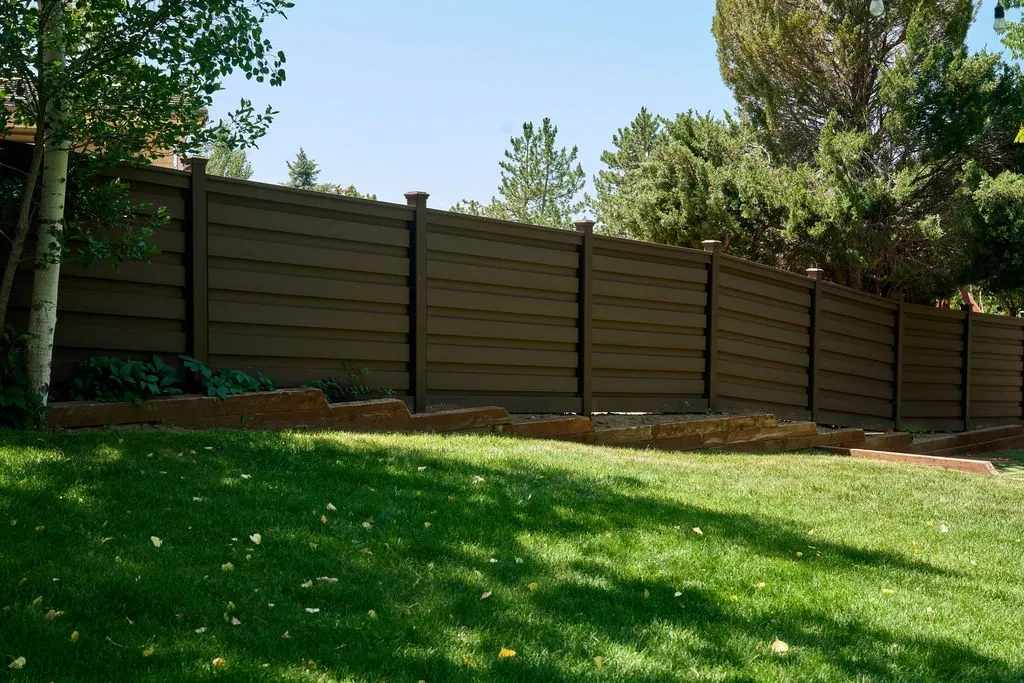
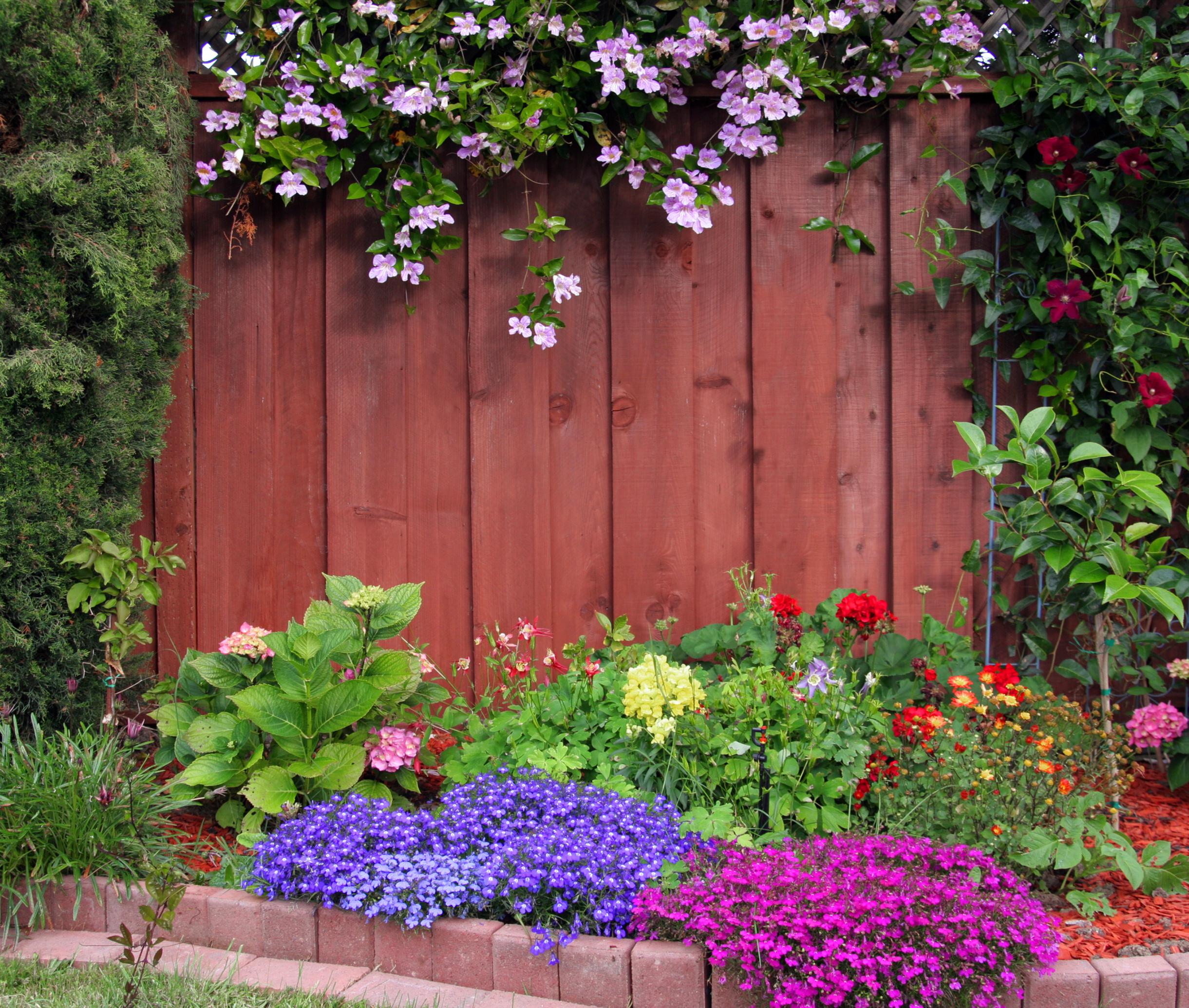
In Wilmington, hurricane season is not just a date on the calendar. It is a period of preparation that affects roofing, landscaping, and especially fencing. For homeowners with residential wood fencing, a thorough inspection before storm activity increases can prevent costly structural damage. A proactive review of your wood fence installation helps identify weak points before heavy winds and rain put pressure on posts and panels. Many property owners begin by visiting the Top Rail Fence Wilmington page to better understand how local coastal conditions influence fence durability.
Wood fencing offers natural beauty and privacy, but it also requires seasonal attention in storm-prone environments. Preparing early reduces the need for emergency fence post repair and protects your overall investment.
Why Hurricane Season Demands a Fence Inspection
Strong winds test the structural integrity of any fence. In Wilmington, gusts can apply continuous pressure against boards and rails, especially with taller privacy layouts. A well-built wood fence installation distributes wind load evenly across posts and fasteners. However, even quality fences can weaken over time due to soil movement or moisture exposure.
Checking for Loose Boards and Rails
Before hurricane season begins, walk the perimeter of your yard and gently press against fence sections. Boards should feel secure, and rails should not shift easily. Movement may indicate deteriorating fasteners or underlying wood stress. Addressing these small issues early reduces the chance of panels detaching during severe weather.
Inspecting Post Stability at Ground Level
Posts are the backbone of residential wood fencing. Saturated soil and erosion can weaken their footing. Look for signs of leaning or soil gaps around the base. Early fence post repair can reinforce stability and prevent full section collapse under wind pressure.
Evaluating Wood Condition Before Heavy Rain
Moisture is one of the biggest factors influencing fence longevity in coastal regions. Even properly executed wood fence installation requires routine checks to ensure boards remain structurally sound.
Identifying Early Signs of Rot
Discoloration, soft spots, or cracking at the bottom of boards may signal moisture intrusion. While minor surface wear is normal, deeper decay can compromise strength. Replacing vulnerable boards now is far easier than rebuilding sections after a storm.
Reviewing Protective Finishes
Stains and sealants provide a barrier against water absorption. If the finish appears faded or patchy, consider resealing before peak hurricane activity. This simple step extends the life of your residential wood fencing and improves resilience during prolonged rainfall.
How Fence Design Influences Wind Resistance
Not all wood fence styles respond to wind in the same way. Solid privacy panels create more wind resistance than semi-private or spaced picket designs. If your yard features tall, continuous boards, reinforcing posts, and secure fasteners becomes even more critical.
Homeowners exploring structural upgrades often review wood fence installation services to compare layout options that balance privacy with airflow. Strategic spacing or alternating board designs can reduce pressure during storms while maintaining visual appeal.
Spacing and Post Depth
Proper post spacing plays a significant role in stability. Posts set too far apart allow boards to flex excessively under wind load. A professional wood fence installation typically accounts for regional weather patterns by optimizing spacing and embedding posts at adequate depths.
Reinforcing Gates and Corners
Corner posts and gates experience additional stress during hurricanes. Check hinges, latches, and diagonal bracing for signs of wear. Addressing these components before storms reduces the likelihood of emergency fence post repair.
Drainage and Soil Considerations
Water management around fence lines is just as important as wind resistance. Pooling water weakens soil, increasing the chance of leaning posts.
Clearing Debris Along the Fence Line
Leaves and yard waste can trap moisture near the base of boards. Keeping the perimeter clear improves airflow and helps wood dry evenly. This small maintenance task protects your residential wood fencing from unnecessary exposure.
Monitoring Soil Erosion
After heavy rainfall, inspect areas where soil may have washed away from posts. Filling gaps and compacting soil helps stabilize the structure. For persistent drainage issues, professional guidance may be necessary to avoid repeated fence post repair.
According to the Ready.gov hurricane preparedness guide, securing outdoor structures before severe weather reduces property damage risk. While fences are often overlooked, they play a significant role in protecting landscaping and defining property boundaries.
When Professional Support Makes Sense
If your inspection reveals leaning posts, extensive board movement, or visible rot, it may be time to consult experienced installers. Top Rail Fence Wilmington works with homeowners throughout Wilmington to evaluate existing fences and recommend appropriate solutions before hurricane season intensifies.
Professional assessments help determine whether targeted fence post repair will restore stability or if partial replacement is advisable. Many issues can be resolved without full reconstruction when addressed early.
Long-Term Value of Preventive Maintenance
Preparing your wood fence installation before storms arrive is an investment in long-term durability. Regular inspections, timely sealing, and structural reinforcement preserve the beauty and performance of your wood fence styles for years.
Homeowners in Wilmington often rely on Top Rail Fence Wilmington for expert insight tailored to coastal conditions. Their experience with regional soil types, wind exposure, and moisture patterns ensures that each project supports both safety and aesthetics.
If you want to confirm that your residential wood fencing is hurricane-ready, the next step is simple. Visit the Contact Us page to connect with Top Rail Fence Wilmington and schedule a professional inspection. Taking action now can prevent costly repairs later and give you confidence as hurricane season approaches.