The first year after fence installation is when many Wilmington homeowners begin to truly understand how wood responds to local conditions. From humid summers to salt-tinged coastal air, the environment shapes how a fence settles, ages, and performs. Homeowners often revisit guidance from the Top Rail Fence Wilmington page during this period, comparing their own experience with what neighbors across Wilmington are seeing after year one.
The First-Year Reality Check for Wood Fences
Wood fencing looks its best immediately after installation, but the first twelve months reveal important lessons. Moisture absorption, sun exposure, and soil movement all begin to leave subtle marks. This stage is less about damage and more about adjustment. Boards acclimate, fasteners tighten into place, and posts settle into the ground. Homeowners who understand this phase are better prepared to protect their investment long term.
Seasonal Changes That Surprise Homeowners
Many homeowners are surprised by how quickly wood reacts to seasonal shifts. During humid months, boards may expand slightly, while drier stretches can introduce small gaps. This is normal behavior, not a flaw in wood fence installation. Recognizing these changes early prevents unnecessary concern and helps homeowners plan appropriate upkeep rather than reactive repairs.
How Posts and Structure Settle Over Time
The first year is especially important for structural elements beneath the surface. Soil compaction and moisture levels directly affect stability.
What Happens to Wood Fence Posts After Installation
Properly installed wood fence posts are designed to settle gradually. In Wilmington, sandy and mixed soils can compact unevenly after heavy rain. Minor adjustments in alignment are common and expected. Homeowners often learn that post movement during year one is a cue to inspect drainage, not an indicator of poor construction.
Why Professional Installation Reduces Long-Term Issues
Experienced installers account for local soil conditions, frost depth, and drainage patterns. This foresight reduces leaning posts and uneven panels later. Many homeowners who worked with Top Rail Fence Wilmington note that year-one settling is minimal because installation methods were tailored to coastal conditions from day one.
Finish Wear and Surface Changes After One Year
Beyond structure, visual changes become more noticeable as finishes respond to sun and moisture.
Fading, Graying, and What It Really Means
Color shifts during the first year are normal, especially for cedar and pine. UV exposure causes surface fibers to lighten or gray. This does not signal decay. Homeowners who understand this distinction are more confident choosing maintenance schedules that focus on preservation rather than cosmetic panic.
When to Clean Versus When to Reseal
After twelve months, most fences benefit from gentle cleaning to remove mildew or pollen buildup. Resealing too early can trap moisture, while waiting too long leaves wood exposed. Guidance from organizations like the USDA Forest Service Wood Handbook helps homeowners understand how moisture and finishes interact, offering science-backed insight into timing maintenance correctly.
Style-Specific Lessons Homeowners Learn
Different designs age differently, and year one often clarifies whether a style aligns with maintenance expectations.
Wooden Picket Fence Maintenance Insights
A wooden picket fence allows airflow, which is helpful in humid climates. Homeowners often notice fewer mildew issues compared to solid panels, but they also learn that individual pickets may require spot attention. Replacing a single board is easier than refinishing an entire section, which many see as a long-term advantage.
Privacy Panels and Moisture Management
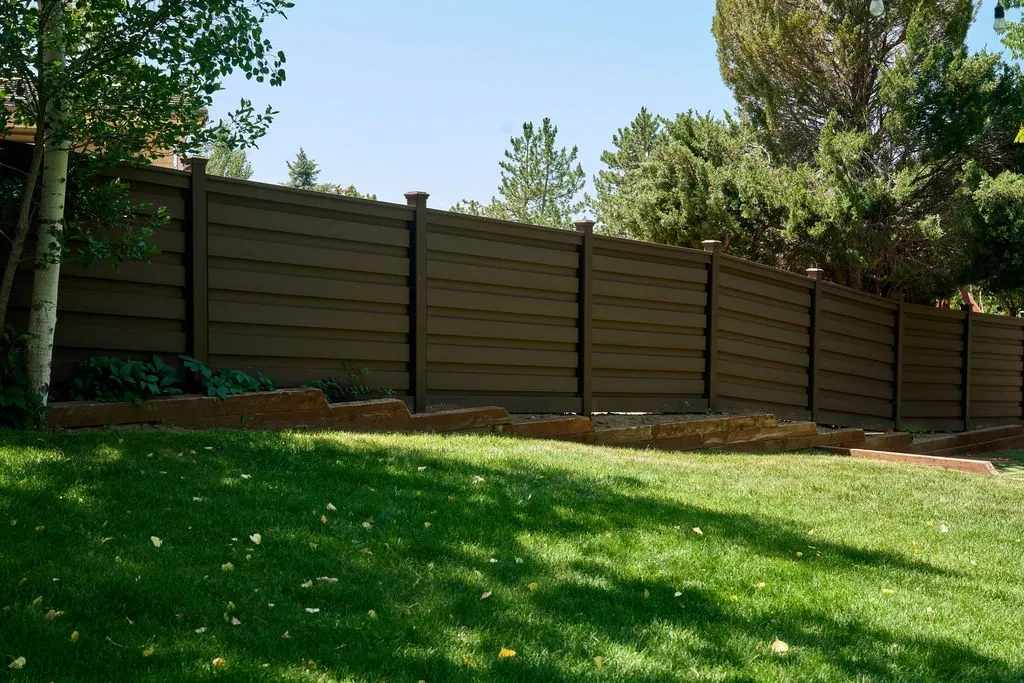
Solid panels provide privacy but retain moisture longer after rain. After year one, homeowners frequently add spacing improvements or adjust landscaping to improve airflow. These small changes significantly reduce long-term wear without altering the fence’s appearance.
Mid-Year Adjustments That Make a Big Difference
Around the six- to nine-month mark, proactive homeowners take simple steps that pay off later.
Drainage and Ground Contact Awareness
Keeping soil and mulch away from the base of the fence prevents moisture buildup. Many homeowners learn this lesson only after observing darkened wood near ground contact during the first year.
Hardware Checks and Minor Tightening
As wood moves naturally, fasteners may loosen slightly. A quick inspection midway through the year helps maintain alignment and prevents stress fractures. Homeowners researching fence installation best practices often review maintenance guidance through internal resources like wood fencing services to understand how design choices affect upkeep.
Why Local Experience Matters After Year One
Maintenance lessons are rarely universal. What works inland may not apply near the coast.
Learning From Wilmington-Specific Conditions
Salt air, wind exposure, and frequent storms shape how wood performs. Homeowners quickly learn that advice tailored to Wilmington conditions is far more useful than generic tips. This is why many turn back to Top Rail Fence Wilmington after the first year for inspections or maintenance guidance informed by local experience.
Final Takeaways After the First Year
The first year of a wood fence is a learning phase, not a verdict on quality. Homeowners who embrace natural changes, schedule smart maintenance, and understand local conditions enjoy stronger, better-looking fences over time. Proper wood fence installation, attention to wood fence posts, and realistic expectations for styles like a wooden picket fence all contribute to long-term satisfaction.
For homeowners ready to plan inspections, adjustments, or upgrades after year one, connecting through the Contact Us page is the easiest next step. With the right guidance, your fence’s second year can be even better than the first.