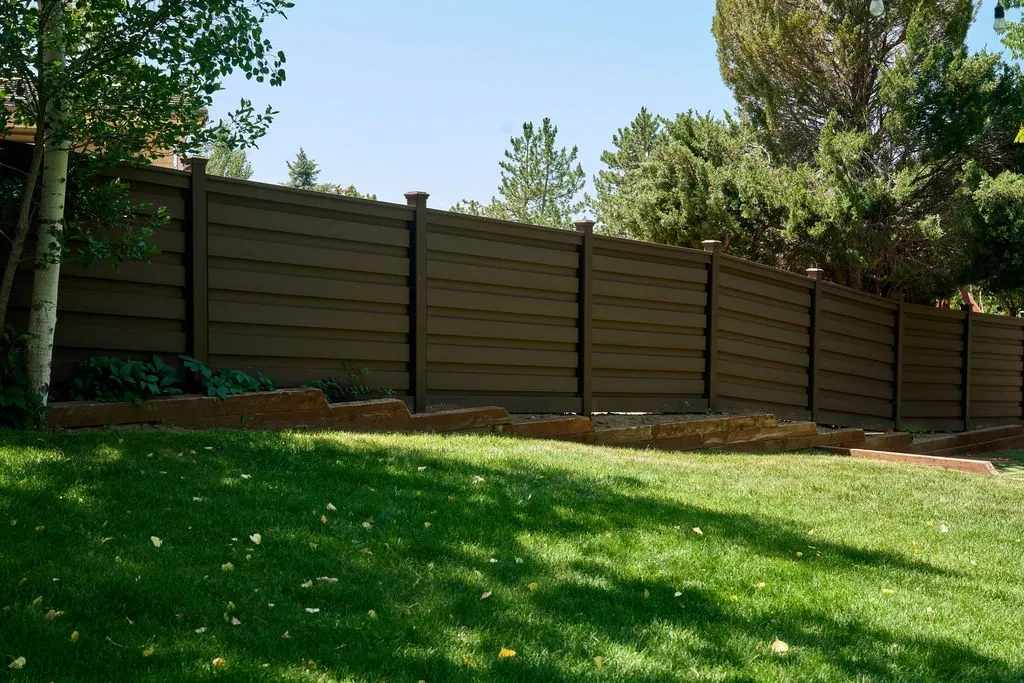
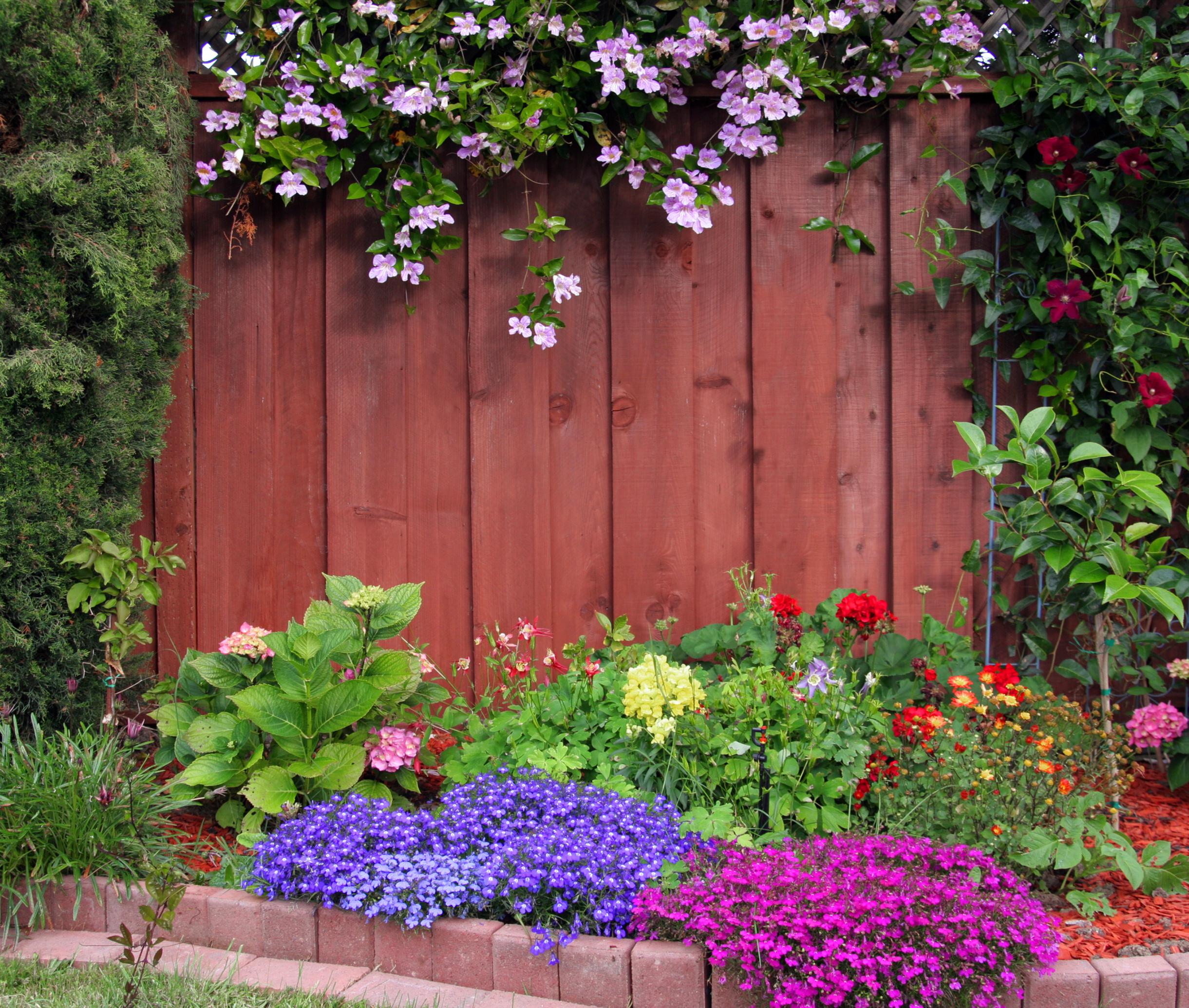
When homeowners begin planning wood fence installation in Wilmington, the first question often focuses on design. Privacy, curb appeal, and property boundaries are usually top priorities. However, location within the city can quietly influence how residential wood fencing performs over time. Homes closer to the coast experience stronger winds, higher humidity, and salt exposure, while inland neighborhoods often face calmer conditions but different soil movement and moisture patterns.
Property owners who review fencing considerations with Top Rail Fence Wilmington early in the planning stage often discover that environmental differences across Wilmington shape long-term durability. Choosing the right materials, preparing posts correctly, and selecting suitable wood fence styles can help ensure a fence performs well, whether it stands near coastal breezes or sheltered inland streets.
Coastal Exposure Changes the Demands on Wood Fences
Living near the Atlantic coastline means fences must endure stronger environmental forces than many homeowners initially expect.
Wind Pressure and Structural Stability
In neighborhoods closer to the water, wind patterns tend to be stronger and more consistent. Panels with large solid surfaces can catch the wind much like a sail. During wood fence installation, professionals often adjust post spacing and reinforcement techniques to reduce stress on the structure.
Installing deeper posts and stronger anchoring systems helps residential wood fencing withstand coastal gusts. Without this preparation, panels may loosen over time or require frequent fence post repair.
Salt Air and Material Protection
Salt carried by ocean air can gradually affect untreated wood. Although the impact is slower than corrosion on metal materials, moisture combined with salt can accelerate surface wear.
Choosing pressure-treated lumber and applying protective sealants during wood fence installation creates an additional barrier against these conditions. Homeowners in Wilmington often find that early protective measures significantly extend the life of their fences.
Inland Neighborhoods Present Different Challenges
While inland properties avoid some coastal forces, they introduce their own structural considerations.
Soil Movement and Drainage Patterns
Many inland areas of Wilmington experience soil that expands or contracts depending on seasonal rainfall. These subtle shifts place pressure on fence posts.
During wood fence installation, proper gravel bases and concrete footings help stabilize posts and reduce the likelihood of leaning sections. Without this preparation, homeowners may eventually require fence post repair to restore alignment.
Tree Coverage and Moisture Retention
Neighborhoods with dense landscaping or mature trees often retain moisture longer after rainfall. While shade protects wood from intense sun exposure, it can also slow drying time.
Certain wood fence styles perform better in shaded environments because airflow between boards allows moisture to dissipate more quickly. Understanding how a yard’s natural surroundings influence moisture helps homeowners choose a design that supports durability.
Fence Design Choices Respond to Environmental Conditions
Not every fence style performs the same way in varying weather conditions.
Privacy Panels in Windy Locations
Solid privacy fences provide excellent seclusion, but they also collect more wind pressure. In coastal parts of Wilmington, installers sometimes reinforce privacy fences with stronger rails or additional posts to maintain stability.
A thoughtful wood fence installation plan balances privacy needs with structural resilience.
Open Designs for Improved Airflow
Certain wood fence styles, such as shadowbox or spaced picket designs, allow wind to pass through more easily. These designs reduce stress on the fence frame and often perform well in breezy areas.
Homeowners researching residential wood fencing frequently discover that airflow can extend the life of a fence by limiting both wind pressure and trapped moisture.
Installation Techniques Shape Long-Term Performance
Even the strongest materials depend on proper installation to perform well across varying conditions.
Post Depth and Reinforcement
Post depth is one of the most important factors influencing fence longevity. Coastal winds and shifting soil both place stress on posts.
Professional installers performing wood fence installation typically account for these environmental factors by setting posts deeper than the minimum requirement. This additional depth helps prevent shifting and reduces the need for future fence post repair.
Homeowners exploring the benefits of residential wood fencing often learn that installation quality plays a larger role in durability than many other factors.
Rail Placement and Structural Balance
Rails connect fence panels and distribute weight across the structure. If rails are improperly spaced, panels may sag or twist over time.
Experienced installers adjust rail placement depending on the chosen wood fence styles and the environmental conditions specific to Wilmington. This attention to detail ensures each section remains stable even after years of weather exposure.
Climate Patterns in Wilmington Influence Fence Lifespan
Weather cycles throughout the year play a significant role in the performance of residential wood fencing.
Humidity and Seasonal Expansion
Wood naturally expands and contracts with changes in humidity. Coastal environments amplify this effect due to frequent moisture in the air.
During wood fence installation, professionals leave a slight spacing between boards to allow for natural expansion. Without this adjustment, panels may warp or press against each other during humid months.
Storm Activity and Preventive Maintenance
Seasonal storms occasionally bring heavy rain and strong winds to Wilmington. After major weather events, homeowners should check for early signs of shifting posts or loose hardware.
According to the National Weather Service, coastal regions often experience wind patterns that place additional strain on outdoor structures. Regular inspections allow homeowners to address minor issues before they require extensive fence post repair.
Long Term Value Comes From Location Aware Planning
The cost of a fence involves more than the initial installation price. Maintenance and repairs over time can significantly affect the overall investment.
Avoiding Frequent Structural Repairs
When wood fence installation accounts for coastal winds, soil movement, and drainage conditions, fences tend to remain stable longer. Fewer repairs mean lower long-term costs and less disruption for homeowners.
Properly installed residential wood fencing also maintains its visual appeal, preserving the overall look of a property.
Preserving Neighborhood Character
One reason homeowners continue choosing wood is its ability to blend naturally with landscaping and architectural styles. The wide range of wood fence styles allows fences to complement traditional homes, modern builds, and coastal cottages alike.
When the design and installation match the local environment, fences maintain both strength and appearance for years.
Planning a Fence That Fits Wilmington’s Environment
Choosing the right fence requires balancing aesthetics, environmental conditions, and installation quality. Homes near the coast may require additional structural reinforcement, while inland properties benefit from drainage-aware construction.
By understanding how location affects durability, homeowners can approach wood fence installation with greater confidence. Working with Top Rail Fence Wilmington provides insight into how coastal and inland conditions influence design decisions and long-term performance.
If you are planning residential wood fencing for your property in Wilmington, professional guidance can help ensure your fence stands strong in any neighborhood setting. Visit the Contact Us page to discuss your project and explore fence solutions designed for your location.