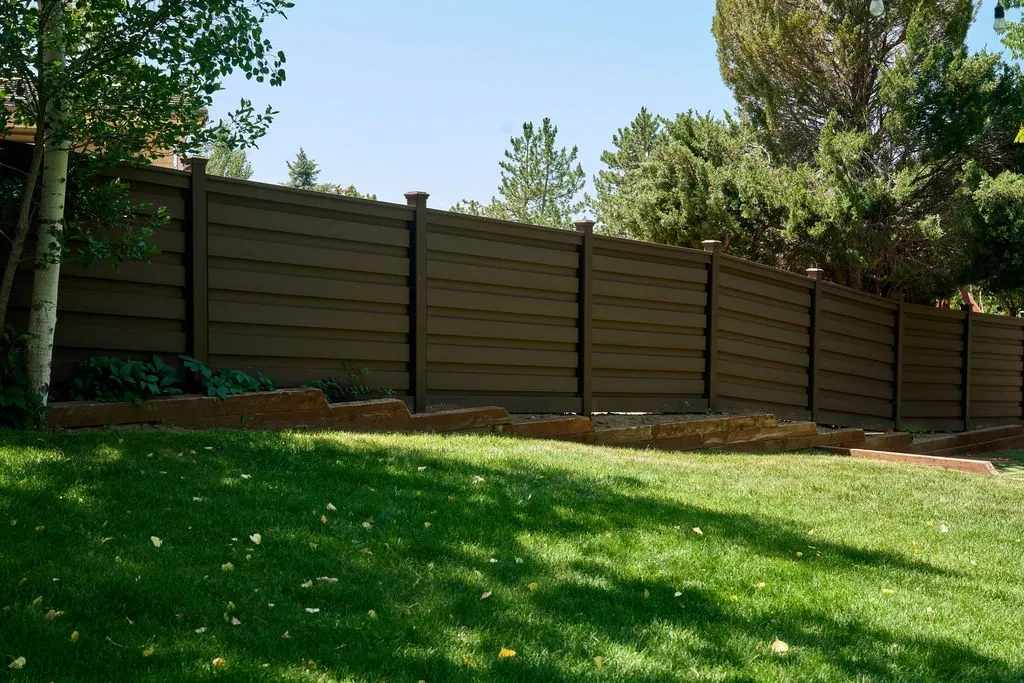
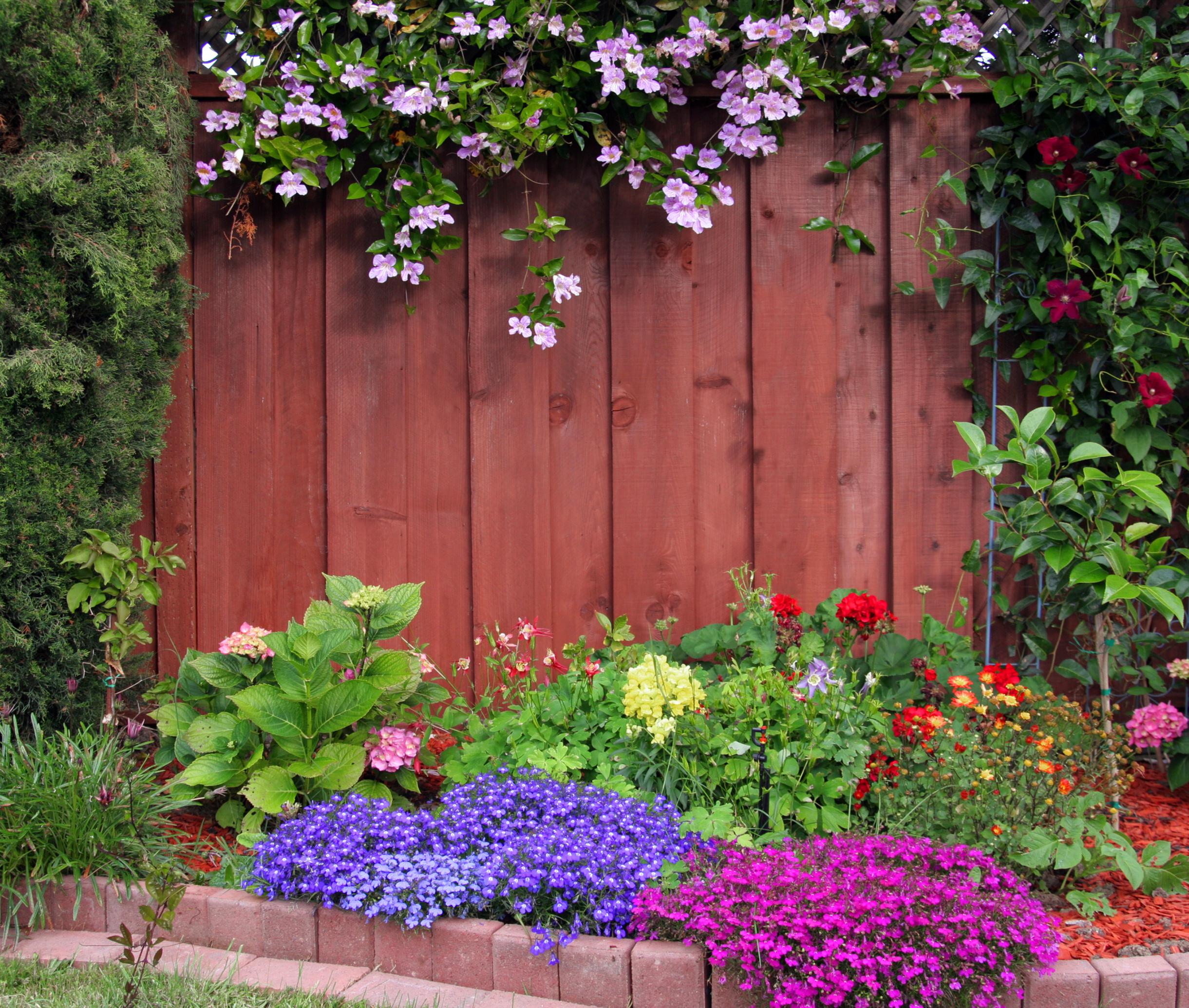
Wood fencing brings warmth, charm, and natural beauty, but along the Carolina coast, moisture is constantly testing its durability. In Wilmington’s humid climate, rain, sea spray, and ground moisture can threaten any wood structure. A smart wood fence installation is only the beginning. Proper sealing, maintenance, and material choice are essential if your fence is going to last. If you’d like coastal-rated wood options, check our Wilmington location page for locally recommended styles.
Why Moisture Is the Big Enemy of Wood Fences
Understanding the threats
Wood is porous, and though treated lumber resists decay, it still absorbs water. Over time, repeated cycles of wetting and drying cause swelling, warping, cracks, and eventually rot. In a coastal setting, salt-laden air accelerates deterioration.
Critically, if the fence bottom remains in constant contact with damp soil or mulch, that contact zone becomes a weak point for rot and insect invasion. That’s why proper elevation and drainage are part of any solid residential fence installation plan. Learn more about design inspiration from Better Homes & Gardens.
Common failure points
- The post bottoms, where wood meets soil
- Gaps and cracks where water collects
- Peeling stain or sealant
- Fascia boards and decorative caps
- Trim and fastener holes without protection
Key Strategies to Shield Your Fence from Water
Elevate posts & ensure drainage
When your installer digs holes, include gravel bottoms so water drains away from pressure-treated bases. Use concrete footings above grade and slope the top surface away from the post. Ensure there is a gap between the base of the fence board and ground level to avoid direct contact with soil or splashing rain.
Choose the right wood fence stain and sealer
Not all stains or sealers are equal. For maximum protection, use a product designed for exterior use that offers both UV and moisture resistance. A transparent or semi-transparent exterior stain with penetrating oils is effective. Alternatively, a solid color stain can provide extra coverage. Always check for products rated for exterior use and block moisture ingress. When applying, use thin, even coats, not heavy brushings. Overapplication traps moisture; underapplication leaves wood vulnerable.
Proper application and timing
Apply sealant or stain only when the fence is dry (at least 48 hours with no rain). Spring and early summer are often ideal. If your boards are new, allow adequate seasoning time (often 30 days for pressure-treated wood) before sealing.
Begin with boards, then rails, then posts, working top-down to prevent drips. Maintain ventilation behind the fence so the backsides can dry.
Inspect and maintain annually
Check for peeling stain, mildew, cracks, and fastener corrosion. Light sanding and touch-up can prevent damage from spreading. Rinse salt off surfaces after storms or if you live near saltwater. Reapply stain before the initial seal shows wear, typically every 2–4 years, depending on exposure.
Choosing a Moisture-Resistant Fencing Material or Hybrid Design
Wood treatments and species
Cedar, cypress, and redwood are naturally more rot-resistant than pine. Pressure-treated pine is cost-effective but must be sealed aggressively. In particularly damp zones, combining horizontal metal or vinyl rails with wooden pickets can lower the exposure of wood surfaces.
Blending materials for longevity
Some homeowners opt for wood accents over a core of composite or vinyl; this offers the look of natural wood with better moisture tolerance in critical zones. If you do hybrid designs, limit wooden components to non-contact surfaces and protect their cut ends heavily.
Wrapping Up & Next Steps
A wooden fence adds value and character, but only if you protect it from moisture threats. By combining smart installation, strategic drainage, quality wood fence stain, and regular care, you can extend the life of your fence dramatically in Wilmington’s climate.
If you’re ready to get started, contact us through our Contact Us page for a consultation. Let Top Rail Fence Wilmington help you select the right fencing material, design the installation plan, and apply the protective finishes that let your wood fence look beautiful and last for years.