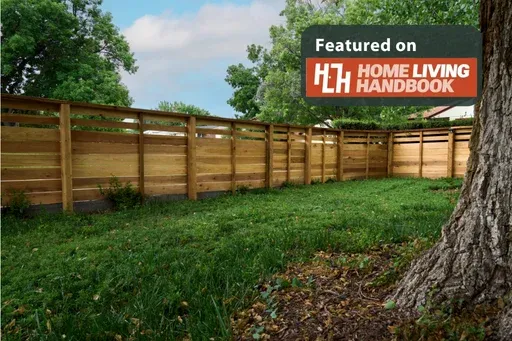
Rainfall can quickly expose drainage problems that are easy to overlook when a yard is dry. In Atlanta, a heavy storm can send water toward the lowest parts of a property, leaving saturated soil and muddy areas along the boundary. When planning privacy fencing, the location of those low spots matters because a fence should establish a clear visual barrier without unintentionally interfering with the way stormwater moves across the landscape. Top Rail Fence Atlanta can help you consider the property's grade, drainage patterns, and privacy requirements before deciding where the fence line should go.
A successful fence plan does not require ignoring difficult terrain. Instead, it requires understanding how the fence will interact with slopes, low areas, landscaping, and existing drainage features. With the right approach, privacy fencing can provide the desired separation while allowing the surrounding landscape to manage rainfall effectively.
Identify the drainage patterns hiding in plain sight
Dry weather can make a yard appear relatively level, but rainfall reveals much more about its natural contours. Before deciding on a fence route, it is useful to understand where water travels and where it tends to stop.
Observe what happens after heavy rain
Walk the property after a substantial rainfall and pay attention to puddles, muddy sections, exposed soil, and areas where water remains after other parts of the yard have dried. These locations can indicate natural low points that deserve attention during fence installation.
A low spot does not automatically mean the fence needs to move. However, knowing where it exists can help determine whether the proposed boundary crosses a drainage path or sits beside an area that regularly becomes saturated.
Trace water back to its source
Water collecting beside a proposed fence may be coming from somewhere else. A sloped lawn, driveway, patio, roof downspout, or another elevated area can send runoff toward the boundary.
Understanding the source makes it easier to determine what needs to change. In some situations, adjusting the privacy fencing layout may be appropriate. In others, the surrounding drainage system may need to be improved independently of the fence.
Give low areas room to handle runoff
A fence line should work with the landscape instead of forcing water into a confined space. This is particularly important where the property has noticeable changes in elevation.
Avoid treating the fence as a drainage barrier
A standard residential fence is designed to establish a boundary, not to function as a retaining wall or stormwater-control structure. If a large volume of water consistently moves toward one section, relying on the fence to stop or redirect that flow can create additional problems.
The better approach is to evaluate the terrain and determine how water can continue moving through the property without compromising the fence layout.
Plan around existing drainage features
Swales, channels, drains, downspouts, and other water-management features need to remain functional and accessible. During a privacy fence installation, these elements should be identified before the final fence line is established.
Leaving appropriate access can make cleaning and maintenance easier while reducing the likelihood that the fence will interfere with the property's existing drainage strategy.
Use the fence route to preserve important sightlines
Solving a drainage concern does not mean giving up privacy. The fence can still be positioned to block unwanted views while responding to the property's terrain.
Identify where privacy matters most
Look at windows, patios, decks, neighboring outdoor spaces, sidewalks, and other locations that create direct sightlines into the yard. These areas can help determine where privacy fencing should provide the strongest visual separation.
If a low spot occurs in a less critical portion of the boundary, the fence route may have more flexibility there. Strategic planning allows privacy needs and drainage considerations to be addressed together.
Let the landscape support the boundary
Plants, shrubs, groundcover, and other landscape elements can complement privacy fencing around challenging areas. Instead of relying entirely on the fence to create visual separation, landscaping can provide additional screening while helping integrate the boundary with the rest of the yard.
This approach can be particularly useful around low areas where maintaining a natural transition between the fence and surrounding landscape is important.
Manage soil conditions around the fence
Water problems often become soil problems. When rainfall repeatedly saturates the same section of ground, the soil may become soft, muddy, or susceptible to erosion.
Watch for erosion near the boundary
Small channels or exposed roots near a proposed fence line can indicate that runoff is concentrating in that area. Over time, continued water movement can change the shape of the ground around the boundary.
Identifying these conditions before fence installation allows them to be considered as part of the overall project instead of becoming an unexpected issue after construction.
Avoid building up soil against the fence
Adding soil directly against a fence may seem like an easy way to level an uneven area, but it can change the way water moves and create unnecessary contact between soil and the fence.
The finished landscape should maintain appropriate separation between the ground and fencing components while allowing rainwater to follow its intended route. This helps keep the area cleaner and makes routine maintenance more manageable.
Turn difficult low spots into landscape features
A low area does not necessarily have to be removed or completely reshaped. With appropriate landscape planning, it can become a purposeful part of the yard.
Consider plants suited to the site
Some plants tolerate wetter conditions better than others. Selecting vegetation according to the area's actual moisture and light conditions can make a low section look intentional rather than problematic.
The U.S. Environmental Protection Agency highlights approaches such as rain gardens and bioswales as examples of green infrastructure that can help manage stormwater by slowing and filtering runoff.
Where appropriate for the property, landscaping based on these principles can complement privacy fencing while helping manage water within the yard.
Create a defined transition beside the fence
A properly planned strip of landscaping can separate the fence from muddy soil. Depending on site conditions, decorative stone, mulch, groundcover, or planting beds can create a more finished transition.
The right material should be selected according to drainage needs rather than appearance alone. A beautiful fence line is more successful when the surrounding ground continues to perform well during Atlanta's rainy periods.
Account for changes in elevation during installation
A property does not need to be perfectly flat for privacy fencing to look polished. However, significant grade changes need to be incorporated into the design.
Maintain a balanced fence profile
A professional privacy fence installation should account for slopes and elevation changes so individual sections create a consistent overall appearance. The way panels transition across uneven terrain can influence both the visual quality and functionality of the completed fence.
Careful measurements before construction can help determine how the fence should respond to changes in grade rather than forcing every section into an unsuitable configuration.
Keep gates practical on sloped ground
Gates deserve special consideration when the ground changes elevation. A gate needs adequate clearance to open and close properly without creating conflicts with the surrounding soil or landscaping.
Planning gate locations around slopes and low spots can improve everyday usability while keeping the residential fence visually cohesive.
Consider what could change after installation
Drainage conditions are not necessarily permanent. Landscaping and construction projects can change how water travels through a yard.
Plan for future outdoor improvements
A new patio, walkway, garden bed, shed, retaining structure, or other improvement may alter existing runoff patterns. Keeping future projects in mind can prevent the fence from becoming an obstacle later.
When planning privacy fencing, consider where these additions could eventually be located. A little foresight can provide greater flexibility without compromising the current fence design.
Reassess areas that experience repeated runoff
After installation, it is useful to pay attention to how the landscape responds to major storms. If water begins collecting in an unexpected area, identifying the cause early can make corrective work easier.
The fence itself should remain a boundary feature rather than becoming the primary solution for a drainage problem. Top Rail Fence Atlanta can help ensure the initial fence installation is approached with the property's physical conditions in mind.
Create privacy without compromising drainage
A low spot does not have to stand between your yard and a well-designed boundary. The key is to understand how water moves before the fence route is finalized. By identifying low areas, tracing runoff sources, preserving drainage features, and considering changes in elevation, privacy fencing can be incorporated into the landscape without unnecessarily trapping stormwater.
For Atlanta properties, the right privacy fence installation should balance privacy, appearance, terrain, and everyday functionality. A thoughtfully planned residential fence can follow the character of the property while allowing the surrounding landscape to handle rainfall naturally.
If you are planning privacy fencing around a low spot or drainage-sensitive area, Top Rail Fence Atlanta can help you evaluate the layout and develop an appropriate approach for your property. Contact us to discuss your project and explore a fence installation designed around your yard's specific conditions.