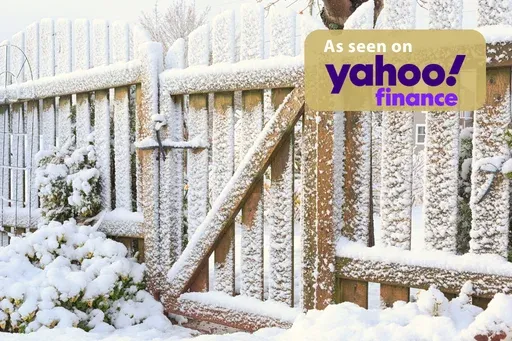
Cold weather puts real pressure on your fence. Snow, ice, and heavy winds can loosen posts, crack panels, and warp materials before spring arrives. The good news? A little preparation now saves you from expensive repairs later.
We're proud to share that Top Rail Fence was recently featured on Yahoo Finance for our expert guidance on winter fence readiness. Our team broke down exactly what homeowners and property managers should check before the first freeze, and we're bringing that advice straight to you here.
In this post, you'll learn the six steps that keep your fence standing strong through winter, why fall is the ideal time to act, and how our team can help when a repair calls for a professional.
Why fall fence maintenance matters
Late summer and fall offer the best window to catch fence problems before winter locks them in. A fence that heads into the cold season with loose hardware, overgrown vegetation, or visible damage is far more likely to fail once ice, snow, and wind add extra weight and force.
As Todd Bingham, President of Top Rail Fence, explained in the coverage:
"Owners may think of fence care as a spring or summer job, but fall can really be when the most important work happens. A fence that isn't properly prepared can suffer structural damage like warped panels, cracks, rust and loose posts once cold weather sets in. Taking preventive steps now can help homeowners avoid emergency repairs or even a full replacement later on."
Whether you manage a single-family home, a commercial property, or acres of agricultural land, these six steps will help your fence weather the season.
The 6 winter-readiness tips
1. Tighten hardware
Start by walking the full perimeter of your fence. Secure any loose screws, bolts, and brackets you find along the way. Small gaps and wobbly connections may seem minor now, but winter wind and ice will keep pulling at them until they become serious problems. A quick tightening pass gives your fence the stability it needs to hold firm.
2. Trim back vegetation
Overgrown branches and bushes press against your fence line and add hidden strain. During a storm, that extra weight can push panels out of place or snap a section entirely. Cut back any hanging tree limbs or shrubs that lean on the fence. Clearing this vegetation reduces pressure and keeps snow and ice from piling up against the structure.
3. Clean & pressure wash debris
Dirt and grime don't just look unappealing—they prevent sealants and stains from bonding properly. Cleaning your fence extends its life and prepares the surface for protective treatments. Follow material-specific care for the best results:
- Vinyl fencing: Use a mild detergent to remove buildup.
- Metal fencing: Use a wire brush to clear away any rust.
A clean surface sets the foundation for the next step.
4. Apply a coat of sealant or stain
Moisture is your fence's biggest winter threat. When water seeps into materials, freezes, and expands, it causes cracks and structural damage. A quality sealant or stain repels that moisture and adds a strong layer of protection. Match the product to your fence:
- Wood fences: Apply a waterproof, penetrating sealant.
- Metal fences: Use a rust-resistant sealant.
This one step makes a measurable difference in how well your fence survives the season.
5. Replace any broken panels
A cracked or broken panel is a weak point, and weak points fail first. Under the added pressure of ice, snow, and wind, damaged sections are far more likely to give way and take neighboring panels with them. Replacing them now protects the integrity of the entire fence and prevents a small issue from becoming a major repair.
6. Reinforce in storm-prone areas
If your property sits in a region that sees severe winter weather, extra reinforcement pays off. Adding supports such as extra posts or braces gives your fence additional structural strength against heavy snow loads and powerful gusts. This step is especially valuable for commercial and agricultural properties, where a long fence line faces greater exposure.
When to call a professional
Not every fence issue is a simple do-it-yourself fix. Loose posts, sagging sections, and broken panels can be tough for busy homeowners and property managers to handle alone. Our team can identify weak spots in your fence and handle repairs or replacements with precision.
Bingham put it plainly in the press coverage:
"If a homeowner spots a leaning post or multiple panels that are cracked, that's the signal to bring in a professional before winter. Waiting until spring means that fence has to survive an entire season of snow, ice and wind in a weakened state. A quick inspection in the fall can catch small problems while they're still inexpensive and easy to fix."
Get your fence winter-ready today
Don't wait until spring to discover winter damage. A quick inspection this fall catches small problems while they're still easy and affordable to fix.
Our experienced team works with you one-on-one to assess your fence, recommend the right solutions, and deliver results built for the season ahead.
Ready to protect your property? Schedule a FREE consultation or explore our fence installation services. Let us help you head into winter with a fence that stands strong.