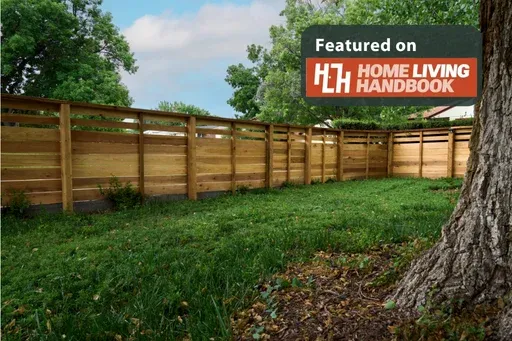
A private patio should feel like a comfortable extension of the home, not a space that becomes noticeably hotter after a new barrier is installed. In Atlanta, afternoon sunlight can be especially important when planning an outdoor area because the position of the sun, existing structures, landscaping, and fence placement can all influence how the space feels. A carefully planned privacy fencing project can block unwanted views while preserving the openness and comfort that make a patio enjoyable. For homeowners considering a project, Top Rail Fence Atlanta can help develop a layout that accounts for the property's existing conditions rather than treating the fence as an isolated feature.
The key is to think about privacy and heat at the same time. Fence height, orientation, distance from the home, surrounding vegetation, and patio furniture placement can all affect the final result. Instead of simply enclosing the entire space, a strategic approach to privacy fence installation can create separation where it is needed without unnecessarily surrounding the patio.
Read the afternoon sun before planning the fence
The position of the fence can change how sunlight reaches your patio. Spending time observing the space before beginning the project can reveal opportunities that may not be obvious from a property survey or quick visual inspection.
Watch the patio during peak exposure
Check the patio at several points during the afternoon. Look at which areas receive direct sunlight and which sections already benefit from shade from the house, trees, pergolas, or neighboring structures.
This helps determine where privacy fencing will have the greatest impact. If one side of the patio already receives limited direct sunlight, placing a tall solid fence there may create a darker environment than intended. Conversely, a fence along a highly exposed boundary could provide useful screening without significantly changing the patio's most comfortable areas.
Consider seasonal changes
The sun does not follow the same path throughout the year. Trees also change as their canopies grow, lose leaves, or become denser.
For an Atlanta patio, this means the fence should be considered as part of a larger outdoor environment rather than as a simple boundary.
Target the views that actually need screening
Complete enclosure is not always necessary to achieve privacy. Focusing on the specific sightlines around your patio can produce a more balanced result.
Find the most exposed angles
Stand in the areas where you typically sit, dine, or entertain and look outward. Identify windows, neighboring patios, driveways, walkways, and other locations that create unwanted visibility.
Once these sightlines are identified, privacy fencing can be concentrated where it provides the most benefit. This may allow other portions of the patio to remain more open.
Think about privacy from different elevations
A nearby property may sit higher or lower than yours, changing how much fence height is actually necessary. A fence that provides adequate screening at ground level may not address visibility from an elevated deck or second-story window.
During fence installation, accounting for these differences can help create privacy without unnecessarily increasing the height of every section.
Keep distance between the fence and living areas
The location of the fence relative to the patio can influence how enclosed the space feels. Even when the fence itself is attractive, positioning it too close to seating or exterior walls can make the area feel cramped.
Give seating areas enough breathing room
Consider the footprint of tables, chairs, loungers, grills, and other outdoor features before finalizing the fence line. A few feet of additional separation can make movement easier and prevent the boundary from visually dominating the seating area.
This is particularly important when a patio is already compact. Thoughtful privacy fence installation should work with the available space instead of consuming valuable areas needed for everyday use.
Avoid creating a narrow corridor
A fence placed close to the home can produce a corridor-like effect between the fence and exterior wall. If that passage also receives strong afternoon sun, the combination of hard surfaces and limited space may make it feel less comfortable.
Where possible, use the existing yard dimensions to create a more open relationship between the patio, fence, and home.
Choose privacy without automatically maximizing enclosure
The best privacy fencing solution depends on the level of separation you need. A completely solid design may be appropriate for one patio, while another may benefit from a less enclosed approach.
Match fence height to the privacy problem
Start with the view you need to block rather than selecting a height first. If the main concern is visibility from a neighboring ground-level yard, moderate screening may accomplish the goal. If overlooking comes from an elevated location, additional height may be necessary.
This keeps the project focused on function rather than assuming that a taller fence will always create a better patio.
Explore different privacy configurations
Privacy can also be created through the relationship between fencing and landscaping. Sections of fence can work alongside trees, shrubs, planting beds, or other outdoor features to create layers of separation.
A well-designed patio fence can therefore contribute to privacy without making the entire patio feel surrounded by one continuous wall.
Use landscaping to soften the enclosure
Plants can help break up long fence lines and introduce a softer transition between the patio and its boundary.
Work with existing shade
If mature trees already provide afternoon shade, consider how the fence can complement rather than interfere with that benefit. A fence should not unnecessarily eliminate an existing source of comfort.
Trees can also influence the microclimate around outdoor living areas. UGA Cooperative Extension notes that shade trees are commonly used in Southern landscapes to provide relief from summer sun and heat.
Plan for mature plant sizes
New landscaping should be considered according to its eventual size, not just how much room the plants occupy when first installed. Shrubs and trees need adequate space to develop without crowding the fence or patio.
This forward-thinking approach also prevents landscaping from obstructing gates, damaging fence components, or making future maintenance unnecessarily difficult.
Make airflow part of the design conversation
Privacy and ventilation do not have to work against each other. The way a fence interacts with the rest of the property can affect how enclosed the patio feels.
Look at the surrounding openings
Before completing fence installation, consider the open sides of the yard and the relationship between the patio, home, and surrounding landscape. If the proposed fence closes off several sides at once, the overall environment may feel substantially different from the original layout.
Keeping certain areas open can help maintain a greater sense of space while the primary privacy barrier handles the most important sightlines.
Coordinate the fence with existing structures
An exterior wall, garage, retaining wall, neighboring fence, or large planting bed can already provide partial screening. Adding another solid barrier directly beside these features may be unnecessary.
Top Rail Fence Atlanta can help evaluate how the proposed privacy fencing interacts with existing property elements so the finished layout serves a clear purpose.
Design around how you use the patio
A fence should support the activities taking place within the space. Privacy needs can differ depending on whether the patio is primarily used for dining, relaxing, entertaining, or spending time outdoors with family.
Protect the areas where people gather
If your main seating area faces a neighboring property, that section deserves greater attention than an unused corner. Directing the privacy solution toward the areas people actually occupy can make the project more effective.
Furniture placement can also influence the final fence height and position. Arrange your intended patio layout first, then consider how the fence will interact with those zones.
Preserve access for everyday activities
Gates should be positioned according to how people move between the patio, backyard, driveway, and home. A beautifully screened patio becomes less useful if the fence makes routine access inconvenient.
Planning these details before construction can also prevent unnecessary modifications later.
Think beyond the initial installation
A successful privacy fence installation should continue working as the property changes. Patio furniture may move, landscaping may mature, and additional outdoor features may eventually be added.
Leave flexibility for future improvements
Consider whether you may add a pergola, outdoor kitchen, garden beds, lighting, or additional seating in the future. Keeping these possibilities in mind can prevent the fence from restricting later improvements.
The goal is to create a boundary that supports the patio over time instead of forcing every future project to work around an inflexible fence layout.
Prioritize comfort alongside privacy
Privacy is valuable, but it should not come at the expense of the patio's usability. The most successful approach balances visual separation with sunlight, space, airflow, landscaping, and convenient access.
For Atlanta homeowners, careful planning is especially worthwhile when afternoon sun plays a major role in how an outdoor space is used.
Create a private patio that still feels open
A well-planned privacy fencing project does more than block views. It can define the patio, improve the sense of seclusion, and create a stronger connection between the home's interior and outdoor living areas without unnecessarily enclosing the space.
By studying afternoon sunlight, identifying important sightlines, allowing sufficient space around seating, coordinating the fence with landscaping, and considering future improvements, you can create a more comfortable outdoor environment. The right fence installation should feel intentional from every angle, with privacy serving the patio rather than overwhelming it.
Top Rail Fence Atlanta can help turn those considerations into a practical fencing plan tailored to the property. If you're ready to discuss a patio fence that improves privacy while keeping afternoon conditions in mind, contact us to explore your options for privacy fencing.