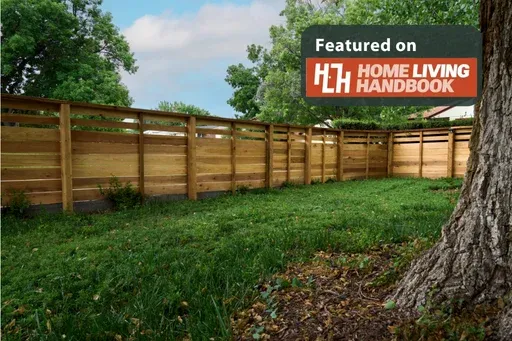
Sunlight can change the way a backyard feels from morning to evening, and in Atlanta, seasonal shifts can make those differences even more noticeable. Before choosing where to place vinyl fencing, it is worth looking at how sunlight moves across the yard, where mature trees create shade, and which areas need to remain bright for landscaping or outdoor activities. Top Rail Fence Atlanta can help you plan a fence layout that works with these existing conditions instead of treating the fence line as an isolated feature.
A thoughtful vinyl fence installation can do more than establish a boundary. Its position can influence garden conditions, patio comfort, visual balance, and how different parts of the yard are used throughout the year. Understanding the relationship between the fence and the sun can therefore make the entire outdoor space more functional.
Start by understanding your yard's daily light pattern
Every backyard has its own combination of direct sunlight, partial shade, and deeper shade. Buildings, trees, fences, and other structures all influence where light reaches the ground.
Observe sunlight before deciding on placement
Take note of which parts of the yard receive direct sunlight in the morning, midday, and afternoon. A section that appears sunny when viewed during one part of the day may spend several hours in shadow.
This information becomes especially useful when landscaping is located close to the proposed vinyl fencing. Plants that require substantial sunlight may perform poorly if a new fence blocks light they previously received.
Recording these patterns before fence installation gives you a clearer picture of how the proposed boundary could affect the rest of the landscape.
Identify existing shade sources
Large trees can produce significant shade, but their influence is not limited to a single spot. As the sun changes position, the shadow cast by a mature tree can move across lawns, planting beds, patios, and proposed fence areas.
Instead of automatically treating shade as an obstacle, consider how it could become part of the design. A shaded section near vinyl fencing may be ideal for plants that perform well without intense direct sunlight or for an outdoor seating area that benefits from natural cover.
Consider how the seasons change the equation
A fence can remain in place for many years, while sunlight patterns continue to change throughout the calendar year. This makes seasonal planning important when determining the best position for vinyl fencing.
Account for changing sun angles
The sun's position changes during the year, which means the length and direction of shadows also change. A fence that receives substantial sunlight during one season may become more shaded during another.
For yards with vegetable gardens, flower beds, or sun-sensitive plants, this difference can be significant. Thinking about seasonal light before vinyl fence installation helps prevent a new boundary from unintentionally limiting sunlight in areas where it matters.
Look ahead as landscaping matures
A young tree planted near a fence may eventually become a large source of shade. Shrubs can also expand considerably beyond their original planting size.
When planning vinyl fencing, consider the expected growth of nearby vegetation rather than focusing exclusively on how the landscape looks today. Leaving appropriate room around established and future plantings can make maintenance easier while preserving the intended appearance of the yard.
Use fence orientation to shape outdoor comfort
Fence placement can affect more than landscaping. It can also influence how comfortable patios, play areas, walkways, and other outdoor spaces feel.
Protect frequently used areas from excessive exposure
Some parts of a backyard may become uncomfortable when exposed to strong afternoon sunlight. Depending on the layout, strategically positioned vinyl fencing can contribute to a greater sense of enclosure and help define areas where shade is desirable.
The fence should not be viewed as a replacement for a roof, pergola, or shade structure. Instead, it can work alongside those features to create a more comfortable outdoor environment.
Keep important recreation areas functional
If children use a particular portion of the yard for play or if the family regularly entertains outdoors, fence placement should preserve convenient access and usable space.
A well-planned fence installation can establish clear boundaries without unnecessarily reducing the functional area of the yard. Gate locations, fence height, and the relationship between the fence and existing structures all deserve attention before construction begins.
Protect sunlight where your landscape needs it
Landscaping can be particularly sensitive to changes in available light. A new fence should complement the planting strategy rather than work against it.
Separate full-sun and shaded areas
Some plants thrive in direct sunlight, while others perform better with partial or filtered shade. Recognizing these differences can help determine which areas should remain open and which can accommodate taller fencing.
The University of Georgia Cooperative Extension recommends evaluating site conditions such as sunlight, slope, soil, and drainage when developing a landscape plan.
That principle applies when planning vinyl fencing as part of a broader landscape. The fence line should be considered alongside the environmental conditions that already influence the yard.
Preserve productive garden locations
If a garden occupies a sunny part of the property, avoid positioning the fence in a way that unnecessarily reduces its exposure. Even a modest change in fence location can affect the amount of direct light available during important portions of the day.
Discussing these areas before vinyl fence installation can help ensure the final layout supports both the property's boundary requirements and its gardening goals.
Blend privacy with natural light
Privacy and sunlight do not always have to compete. The key is understanding which parts of the property need stronger visual separation and which benefit from greater openness.
Choose the fence style around the space
Different vinyl fencing styles can create different visual effects. A more enclosed design can provide stronger privacy, while a more open configuration can preserve a greater connection between the yard and its surroundings.
The right choice depends on the property's orientation, neighboring conditions, landscaping, and intended use. Selecting the best vinyl fence therefore involves more than comparing appearances. The style should make sense for the specific environment where it will be installed.
Coordinate fence height with the surroundings
Fence height can influence both privacy and the amount of visual openness in the yard. Taller sections may be appropriate where screening is important, while lower configurations may work better around gardens or areas where maintaining an open feel is a priority.
Planning height variations carefully can help vinyl fencing serve different purposes across the same property without making the overall design feel inconsistent.
Work around trees and established landscape features
Trees can be among the most important considerations when planning a new fence. Their roots, trunks, canopies, and future growth all need to be considered as part of the installation process.
Give mature trees appropriate consideration
A fence line should not simply cut through an established landscape without considering what is already there. Trees can provide valuable shade, privacy, and visual character that would be difficult to replace.
Where the property layout allows, adjusting the vinyl fencing route around important landscape features can preserve those benefits while still establishing a clear boundary.
Keep maintenance access practical
The area between trees, landscaping, structures, and fencing should remain accessible enough for routine care. Tight spaces can make trimming, cleaning, and inspections more difficult.
A professional vinyl fence installation should account for these practical considerations before posts are set. This helps ensure the completed fence remains attractive while leaving enough room to maintain surrounding vegetation.
Plan the fence around future outdoor improvements
Outdoor spaces tend to evolve. A yard that currently contains only a lawn may eventually include a patio, garden, pergola, pool, shed, or other feature.
Reserve space for future additions
Thinking ahead can prevent the fence from limiting future improvements. For example, placing the fence too close to a planned patio may reduce usable space or complicate access later.
Before completing fence installation, consider where future outdoor features could be located. A little planning today can provide considerably more flexibility in the years ahead.
Keep gates aligned with daily movement
Gate placement deserves as much attention as the fence itself. A gate that opens toward a frequently used walkway, garden, driveway, or patio should provide convenient access without interfering with those areas.
Thoughtful positioning allows vinyl fencing to improve organization without creating unnecessary obstacles. It also makes the finished installation feel more naturally integrated into the property.
Make the fence part of the landscape rather than an interruption
The strongest fence designs feel connected to everything around them. Landscaping, sunlight, structures, pathways, and outdoor living areas should all contribute to the final arrangement.
Create visual continuity along the boundary
A fence can become a backdrop for landscaping rather than simply a dividing line. Plants positioned at appropriate distances can soften the transition while adding texture and seasonal interest.
Using vinyl fencing in this way can make the boundary feel intentional and polished. The material's clean appearance also provides a consistent visual element that can complement different landscape styles.
Balance open and enclosed areas
Not every part of the yard needs the same level of privacy or enclosure. Creating a thoughtful balance can make the property feel more spacious while still providing separation where it is most useful.
Top Rail Fence Atlanta can help evaluate these considerations when developing a fencing plan. Looking at sunlight, shade, existing landscaping, and future uses together provides a more complete basis for deciding where vinyl fencing should be positioned.
Turn sunlight patterns into a smarter fencing decision
The position of the sun may change throughout the day and across the seasons, but your vinyl fencing can remain in place for years. That makes it worthwhile to understand how the fence will interact with sunlight before installation begins.
A successful plan considers mature trees, future landscaping, outdoor activities, privacy requirements, fence height, and seasonal changes. It also recognizes that the best vinyl fence is not simply a product choice. It is a combination of the right material, style, placement, and installation approach for the property.
For Atlanta homeowners planning a new boundary, Top Rail Fence Atlanta can help develop a fencing solution that complements the yard's natural light and existing landscape. To discuss your project and find the right vinyl fencing approach, contact us for professional guidance and installation options.