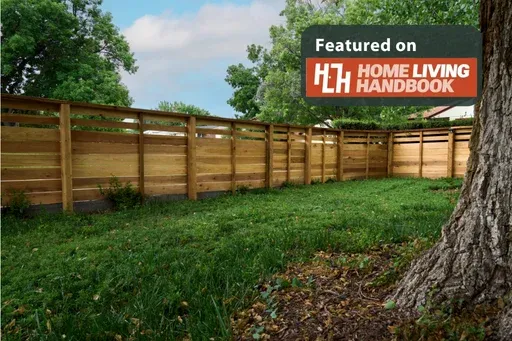
Backyards in Atlanta are shaped by more than just layout. Tree canopies, seasonal moisture, and constantly shifting shade lines all influence how outdoor structures perform over time. A well-built wood fence is uniquely suited to adapt to these changing conditions, making it a practical and visually appealing choice for homeowners. By working with Top Rail Fence Atlanta, you can partner with an experienced fence company to design a fence that responds naturally to your environment.
Unlike rigid materials, wood evolves alongside your landscape, adjusting to light, moisture, and organic changes in your yard.
How tree cover shapes fence performance
Managing filtered sunlight
Heavy tree cover creates a mix of light and shade throughout the day. A wood fence handles this variation well, maintaining its structure while gradually adapting in tone and texture.
Reducing harsh exposure
In areas where trees block direct sunlight, wood is less likely to experience rapid drying or cracking, supporting long-term durability.
Blending with natural surroundings
A wood fence complements tree-lined yards by reflecting the organic patterns and textures found in nature.
Responding to moisture in shaded environments
Absorbing and releasing moisture naturally
Wood is a breathable material, which allows it to respond to humidity changes. A properly installed wood fence accounts for this movement, preventing long-term damage.
Preventing moisture buildup
Strategic spacing and design help reduce trapped moisture, especially in shaded areas where drying takes longer.
Supporting long-term resilience
With proper care, a wood fence can handle fluctuating moisture levels while maintaining its structural integrity.
Adapting to shifting shade lines throughout the day
Understanding light movement
As the sun moves, shaded areas shift across your yard. A wood fence adjusts visually, creating subtle variations in tone that enhance its natural appearance.
Maintaining visual consistency
Even with changing light conditions, a well-designed fence retains a cohesive look that complements the overall landscape.
Enhancing the outdoor atmosphere
The interaction between light and wood creates a dynamic environment that feels more connected to nature.
Designing with environmental flexibility in mind
Choosing the right layout
A thoughtful wood fence installation considers where shade and moisture are most prominent, ensuring the fence performs well in all conditions.
Selecting adaptable styles
Different fence options offer varying levels of airflow and exposure, allowing you to tailor the design to your yard’s specific needs.
Balancing structure and openness
A well-planned wood fence provides stability while still allowing natural elements to influence its appearance.
Avoiding common challenges in shaded landscapes
Ignoring drainage and airflow
Poor drainage can lead to excess moisture. A knowledgeable fence company ensures your fence is designed to minimize these risks.
Overlooking maintenance needs
Regular upkeep helps preserve the appearance and performance of your fence, especially in areas with heavy shade.
Choosing unsuitable materials
Not all materials perform well in environments with variable light and moisture. Wood remains a reliable option when properly installed.
The importance of expert installation
Tailored site evaluation
Every yard in Atlanta has unique environmental conditions. Working with Top Rail Fence Atlanta ensures your fence is designed with these factors in mind.
Precision in construction
Accurate installation supports the natural movement of wood, preventing issues related to expansion and contraction.
Exploring material and design options
Homeowners can review different styles through wood fencing solutions to find the best fit for their property.
Long-term benefits of wood fencing in dynamic environments
Natural aging that enhances character
Over time, a wood fence develops a unique appearance that reflects its surroundings, adding depth and personality to your yard.
Reliable performance in varied conditions
With proper wood fence installation, wood remains strong and adaptable, even in areas with fluctuating shade and moisture.
Increased property appeal
A well-maintained fence adds value by improving both functionality and visual appeal.
Integrating fencing with your landscape
Working with existing trees and plants
A wood fence can be positioned to complement natural features, enhancing the overall design of your yard.
Creating a cohesive outdoor space
By aligning your fence with landscaping elements, you can achieve a balanced and unified look.
Planning for future growth
As trees grow and shade patterns change, a flexible fence design ensures your fence continues to fit seamlessly into the environment.
Building a fence that evolves with your yard
Supporting changing conditions
A wood fence adapts to seasonal shifts, maintaining its performance and appearance over time.
Enhancing everyday use
By responding to environmental factors, your fence helps create a more comfortable and functional outdoor space.
Partnering with experienced professionals
Many homeowners trust Top Rail Fence Atlanta to design fencing solutions that work in harmony with natural surroundings.
For more information on how wood responds to environmental conditions, visit the eXtension resource platform.
Creating harmony between structure and nature
A carefully planned wood fence does more than define property lines. It adapts to tree cover, moisture, and shifting shade lines, creating a dynamic and resilient outdoor feature in Atlanta.
By working with a trusted fence company, you can ensure your fence is designed to thrive in your specific environment. If you are ready to build a fence that works with nature rather than against it, Contact Us to explore customized solutions for your property.