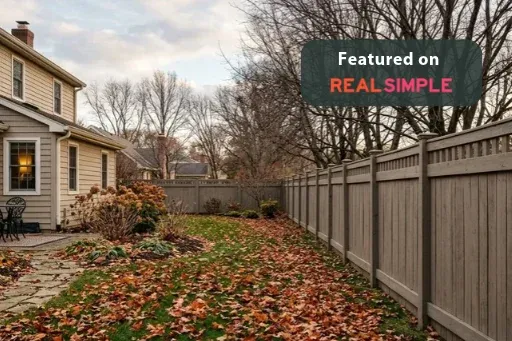
Contemporary homes can feature crisp siding, expansive windows, geometric rooflines, and carefully defined outdoor spaces. While these materials create a modern appearance, natural materials can introduce warmth that keeps the exterior from feeling overly uniform. A wood fence can provide that contrast by bringing grain, texture, and visual depth into the landscape. For homeowners considering a wood fence in Atlanta, Top Rail Fence Atlanta can help develop a fence plan that complements the home's architecture, lot configuration, and outdoor spaces.
Bringing warmth into contemporary exterior design
Modern architecture often depends on clean surfaces and strong horizontal or vertical lines. A wood fence can work within that design language while adding an organic element that manufactured exterior materials may not provide.
Rather than competing with a contemporary home, the right fence can connect the structure to its surrounding landscape.
Contrasting smooth surfaces with natural grain
Smooth siding, concrete, metal, and large glass surfaces can create a highly polished exterior. Wood introduces variation through its grain and natural texture.
This contrast can make the transition from the house to the yard feel more intentional. A simple wood fence with consistent board spacing can provide enough visual texture to soften a modern exterior without making the landscape appear overly decorative.
Extending architectural lines into the yard
The strongest wood fence designs do not necessarily copy the house. Instead, they can repeat selected characteristics such as horizontal lines, vertical proportions, neutral tones, or geometric simplicity.
For example, a horizontal fence can visually echo long lines found in contemporary siding, while a vertical board layout may complement tall windows or narrow architectural elements.
Selecting a wood fence profile for a modern property
The profile of the fence can have as much influence on the finished appearance as the material itself. Contemporary homes generally benefit from deliberate proportions rather than unnecessary decorative details.
Using horizontal boards for visual continuity
Horizontal boards can emphasize the width of a property and create a strong, streamlined appearance. This approach can work particularly well when the home features long rooflines, horizontal siding, or broad windows.
A horizontal wood fence can also help connect separate outdoor features, such as a patio and garden area, by creating a continuous visual line across the yard.
Choosing vertical boards for a structured appearance
Vertical boards offer a different effect. Their upward lines can complement contemporary homes with tall windows, vertical siding, or pronounced entry features.
Vertical wood fence designs can also provide a more traditional interpretation of wood while maintaining a clean and uncomplicated appearance.
Coordinating fence color with modern materials
Natural wood does not have to mean a rustic appearance. The finish selected during wood fence installation can significantly influence how the fence relates to the architecture.
Letting natural tones soften hard surfaces
Warm wood tones can balance gray concrete, dark window frames, stone, or neutral siding. The contrast can make a modern home feel more connected to its landscape.
A restrained stain can preserve the character of the wood while keeping the overall exterior visually controlled.
Creating a darker architectural backdrop
A darker wood finish can produce a more contemporary effect and provide contrast against lighter siding or landscaping. It can also make greenery stand out more clearly along the fence line.
The ideal finish depends on the home's existing palette and the amount of sunlight the fence receives.
Using landscaping to connect wood and architecture
The relationship between the fence and surrounding plants can determine whether the finished yard feels cohesive. Landscaping can bridge the transition between the contemporary structure and the natural character of the wood fence.
Framing the fence with layered planting
Shrubs, ornamental grasses, small trees, and other appropriate plantings can break up a long fence line and introduce additional texture.
Plants can also soften corners where the fence meets the house, driveway, patio, or retaining wall. The goal is not to hide the fence completely, but to make it part of a larger landscape composition.
Leaving the wood visible as a design feature
Overplanting can defeat the purpose of choosing wood for its visual character. Leaving portions of the fence exposed allows the grain, board pattern, and finish to remain visible.
This can be especially effective around contemporary homes where the landscape uses a limited number of carefully selected materials.
Matching fence proportions to a contemporary lot
A fence that looks appropriate on one property may appear oversized or visually heavy on another. Lot dimensions, building height, setbacks, landscaping, and neighboring structures all influence how the fence will be perceived.
Keeping narrow yards visually organized
A narrow backyard can benefit from a consistent fence line that creates a clear edge without introducing excessive visual complexity.
Simple wood fence designs can make the perimeter feel organized while leaving the center of the yard available for patios, planting beds, walkways, or recreational areas.
Giving larger yards a stronger frame
Larger properties may require a fence with enough visual presence to relate to the scale of the house. A carefully proportioned wood fence can frame the landscape without becoming the dominant feature.
During fence installation, transitions around corners, gates, elevation changes, and existing structures should be considered so the finished perimeter maintains a consistent appearance.
Considering Atlanta requirements before installation
A visually successful design still needs to work within applicable local requirements. The City of Atlanta states that fences are among the projects that may require approval, with requirements depending on the scope of work and zoning district.
Reviewing placement and height requirements
Atlanta regulations can vary based on where a fence is located. City materials identify different considerations for front, side, and rear yards, including height and placement requirements.
This makes it important to review the property's specific zoning conditions before finalizing a wood fence installation. The city's fence submittal resources provide information that can help guide the approval process.
Accounting for established neighborhood character
Some Atlanta properties are located in areas with additional architectural or historic considerations. A fence may need to relate to surrounding structures as well as the individual home.
A thoughtful wood fence can provide a natural transition between contemporary additions and established neighborhood landscaping.
Making the gate part of the architectural composition
The gate should receive the same design attention as the rest of the fence. A mismatched gate can interrupt an otherwise cohesive perimeter.
Continuing the board pattern
Using the same board orientation, finish, and proportions across the gate and fence can create a continuous appearance. This is particularly effective with modern homes where consistency is an important part of the exterior design.
Using hardware as a subtle detail
Gate hardware can introduce another architectural element without becoming visually dominant. Simple hinges, latches, and handles can reinforce a contemporary aesthetic while keeping the focus on the wood itself.
Building a natural transition between home and landscape
A wood fence can do more than establish a property boundary. Its texture can help connect a contemporary home to trees, planting beds, patios, stonework, and other outdoor materials.
Top Rail Fence Atlanta can help homeowners consider board orientation, finish, proportions, gates, and placement when developing a fence that complements a modern exterior. Reviewing the available wood fencing options can also help narrow the design direction before fence installation begins.
The finished result should feel connected to the home rather than added after the architecture was completed. With thoughtful planning, wood fence designs can introduce warmth, texture, and natural character while preserving the clean lines that define contemporary Atlanta homes. Top Rail Fence Atlanta can help homeowners plan a wood fence that works with the property's architecture, landscape, and long-term outdoor use. To discuss the project and next steps, contact the fencing team.