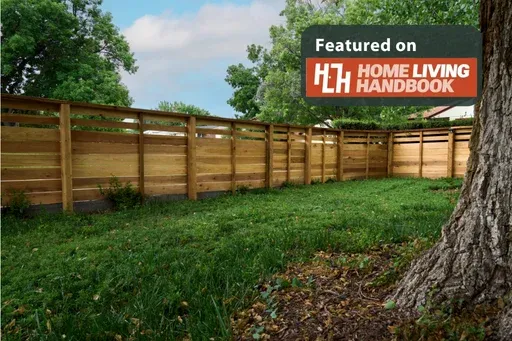
A sloped yard can make fence planning considerably more complicated than a level property. Changes in elevation affect panel alignment, post depth, gate placement, drainage, and the overall appearance of the finished boundary. In Birmingham, where properties can have noticeable changes in grade, mapping those elevation changes before installation can make the difference between a fence that looks forced and one that follows the landscape naturally. Top Rail Fence Birmingham can help evaluate the terrain and determine where a metal fence should step with the slope.
Rather than trying to make every section of fencing follow one continuous level line, a stepped design can respond to changes in elevation while maintaining a defined and attractive perimeter. This approach can work for both residential fencing and larger commercial fencing projects where the property needs a practical boundary across uneven ground.
Start with an elevation map of the fence route
Before choosing panel positions, it helps to understand how dramatically the property changes from one section to another. A fence line that appears relatively gradual from a distance may contain several smaller elevation changes that become important once posts and panels are installed.
Mark the high and low points
Walk the proposed fence line and identify noticeable high points, low areas, transitions, and sections where the grade changes direction. These points create a basic map for determining where a metal fence may need to step.
Instead of treating the entire perimeter as one straight installation, divide it into manageable sections. Each section can then be evaluated according to its elevation and relationship with the neighboring sections.
Pay attention to abrupt transitions
A gradual slope may allow a consistent installation approach, while an abrupt change in grade may require a more deliberate transition between panels.
Identifying these locations early helps prevent uneven spacing or awkward panel angles. It also gives the installer a clearer understanding of where additional attention will be necessary during metal fence installation.
Understand how stepped panels follow changing grades
Stepped fencing is designed to move between different elevations through a series of horizontal panel sections. Each panel remains relatively level while the fence progresses upward or downward across the property.
Create controlled elevation changes
Instead of allowing panels to follow the ground at an extreme angle, stepping creates distinct changes between sections. This can produce a cleaner appearance on sloped properties while maintaining the structural arrangement of the fence.
The amount of each step depends on the severity of the slope, the selected metal fence design, and the property's layout.
Keep the visual rhythm consistent
A stepped fence should look intentional rather than irregular. Consistent panel proportions and carefully planned transitions can make changes in elevation appear like part of the design.
This is particularly important along prominent front boundaries, where the fence is visible from the street and contributes to the property's overall appearance.
Separate the slope into workable fence sections
One of the advantages of creating a fencing map is that it breaks a complicated yard into smaller installation decisions.
Plan each section independently
A long sloping boundary does not necessarily need one uniform approach. One portion might remain relatively level, another might require several steps, and a third could transition toward a gate or driveway.
Mapping these sections allows the metal fence to respond to the property instead of forcing the same configuration across every part of the perimeter.
Give corners extra attention
Corners can become difficult when two sloping sections meet. If the elevation changes in different directions, the transition needs to be carefully coordinated so that the corner remains visually balanced.
This is also important for metal fence installation because corner posts frequently carry additional structural importance.
Keep drainage in the fence conversation
Slope and water movement are closely connected. Rain naturally travels downhill, so a fence installation should be considered alongside existing drainage patterns.
Identify where water travels downhill
Look for areas where rainwater naturally moves toward the lower portion of the yard. Birmingham's drainage system includes streams, wetlands, detention areas, pipes, and ditches, and the city notes that intense storms can overwhelm drainage systems and contribute to flooding and erosion.
A metal fence should not unnecessarily interfere with established drainage routes. During planning, identify areas where water regularly crosses the property and consider how the fence's posts and lower sections interact with those locations.
Avoid creating unnecessary collection points
Poorly considered fence placement can contribute to debris accumulation or make certain areas more difficult to maintain. Where a sloped property already has drainage challenges, the fence layout should complement the existing landscape rather than introduce additional obstacles.
Choose a panel approach based on the slope
Not every sloped property needs the same fence configuration. The degree and direction of the slope should influence how the metal fence is planned.
Use smaller steps where the grade changes gradually
A series of modest elevation changes can create a smooth visual progression across a long slope. Smaller steps may also help the fence appear more proportional to the landscape.
The goal is to create a pattern that follows the terrain without making each elevation change visually distracting.
Make larger transitions deliberate
A sharper grade may require a more noticeable step between sections. Instead of trying to hide that transition, the design can make it look intentional through consistent post positioning and panel alignment.
This approach can be useful for residential fencing where appearance is just as important as establishing the property boundary.
Account for gates before setting the final posts
Gates can complicate a sloped fence because people and vehicles need practical access through an area that may not be level.
Find the most practical access point
A gate placed at the steepest part of a yard may be inconvenient to use, particularly for vehicles or wide equipment. When possible, consider how the terrain affects the approach to the gate before finalizing the fence route.
A carefully positioned gate can make the entire metal fence system easier to use.
Coordinate gate movement with the grade
The ground beneath and around a gate needs enough clearance for it to operate properly. Sloping terrain can affect how a gate swings or slides, making this an important consideration during metal fence installation.
Planning the gate at the same time as the stepped sections prevents the access point from becoming an afterthought.
Adapt the design to residential and commercial properties
The principles of slope mapping apply to different property types, but the priorities can vary between homes and businesses.
Create a comfortable residential boundary
For residential fencing, homeowners may prioritize appearance, yard access, landscaping, and the relationship between the fence and the home.
A stepped metal fence can define a sloping backyard without requiring extensive grading to create a level installation surface.
Manage larger commercial perimeters
Commercial fencing may need to accommodate parking areas, service entrances, loading zones, pedestrian access, security requirements, and larger changes in elevation.
Mapping the perimeter before installation can help identify where the fence needs to transition around these different areas while maintaining a consistent overall boundary.
Work with landscaping instead of flattening the yard
A sloped property does not automatically need to be reshaped to accommodate a fence.
Preserve established landscape features
Trees, planting beds, retaining walls, pathways, and natural grade changes can all influence the fence route. Working around these features may preserve more of the property's existing character.
A metal fence can provide a clean boundary while allowing the landscape to retain its natural contours.
Consider the finished view from both sides
A fence should look appropriate from inside and outside the property. On a slope, this becomes particularly important because elevation changes can make some sections more prominent than others.
Reviewing the fence from different viewpoints helps identify transitions that may need refinement before installation.
Use the terrain to improve the final design
A slope does not have to be treated as a problem that limits fencing options. It can become a design feature when the fence follows the property's natural progression.
Let elevation create visual movement
Stepped metal fence panels can introduce a subtle rhythm along a sloped boundary. Instead of appearing completely uniform, the fence can move naturally with the landscape.
This can give a long perimeter more visual interest without requiring decorative elements or complicated architectural details.
Maintain a consistent boundary
Even when individual sections sit at different elevations, the fence should still communicate one clear property line. Consistent materials, post spacing, and panel design help maintain that continuity.
For projects involving different terrain conditions, reviewing metal fencing options can help narrow down a style that fits the property's practical and visual requirements.
Prepare for long-term maintenance on a slope
Once the fence is installed, its relationship with the terrain continues to matter.
Watch for soil movement
Heavy rainfall can wash soil downhill, particularly on exposed slopes. Changes in the ground around posts should be monitored so potential problems can be addressed before they affect the fence.
Maintaining vegetation and established drainage features can also help support the surrounding landscape.
Keep lower sections accessible
Stepped panels create different clearances along the slope. These areas should remain accessible for inspection, trimming, cleaning, and general maintenance.
Keeping vegetation from completely covering posts and lower fence sections makes it easier to identify issues early.
Build the fence around the terrain you actually have
A successful metal fence project on a sloped Birmingham property starts with understanding the ground rather than trying to ignore it. By mapping high and low points, identifying drainage routes, planning steps between elevations, and positioning gates around practical access areas, the fence can become a natural extension of the landscape.
Top Rail Fence Birmingham can help translate those terrain changes into a structured installation plan that balances appearance, access, and long-term performance. Whether the project involves residential fencing or commercial fencing, thoughtful planning can make an uneven property much easier to manage.
If your property has changing elevations and you are considering a metal fence, Top Rail Fence Birmingham can help you evaluate the terrain and develop an installation approach suited to the site. Contact the fencing team to discuss your project and determine how stepped panels can work with your property's slope.