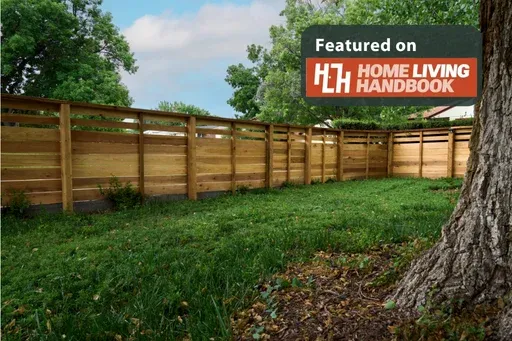
In Birmingham, outdoor spaces do not stay static. Over time, gardens grow fuller, trees develop height, and surrounding greenery reshapes how a property is perceived. In this evolving environment, a wood fence can actually increase in visual and functional value as the landscape matures. Early design planning, often explored through the Top Rail Fence Birmingham page, shows that fencing is not just a perimeter feature but a long-term design element that interacts with nature over time.
With intentional wood fence installation, homeowners begin to notice that fences which once looked simple or understated become more integrated, refined, and visually valuable as vegetation fills in around them. This long-term relationship between structure and nature is shaping how fencing decisions are made across Birmingham.
How landscape growth changes the role of fencing over time
A newly installed wood fence often stands out in an open yard. However, as landscaping matures, its role shifts from being a visible boundary to becoming part of a layered outdoor composition.
Natural greenery enhances structural presence
As trees and shrubs grow, they frame the wood fence rather than compete with it. This creates a balanced visual relationship where fencing feels intentional instead of isolated.
Mature landscapes create depth around fencing lines
Over time, plant growth softens the edges of wood fence installation, blending structure with natural elements and improving overall curb appeal.
Why wood fence materials gain character with age
The choice of wood fence materials plays a major role in how fencing evolves alongside a landscape. Unlike synthetic materials, wood interacts with sunlight, moisture, and seasonal changes in a way that adds natural variation and character.
Weathering adds visual depth
Natural aging in wood fence materials introduces subtle color shifts that can complement surrounding greenery rather than clash with it.
Integration with organic surroundings
As plants mature, the texture and tone of a wood fence begin to mirror the natural environment, creating a more cohesive outdoor look.
Long-term harmony with landscaping cycles
Seasonal changes in foliage allow a wood fence to appear differently throughout the year, often improving its visual appeal as landscapes become more complex.
The influence of cedar fence choices on long-term value
A cedar fence is often selected for its durability and natural resistance to decay, but its value increases further as surrounding landscapes mature.
Natural oils support aging gracefully
Cedar contains oils that allow it to age in a visually appealing way, helping the cedar fence maintain structure while developing character over time.
Visual blending with mature gardens
As gardens grow denser, a cedar fence becomes part of the background structure rather than the dominant visual feature.
Enhanced curb appeal in established neighborhoods
In older Birmingham neighborhoods, a well-aged cedar installation often complements established greenery better than newly installed synthetic materials.
For homeowners comparing material choices, reviewing wood fence materials and design options helps clarify how different styles perform over time in real outdoor conditions.
How wood fence installation decisions impact long-term appearance
The success of a wood fence installation is not only measured at the time of completion but also years later when the landscape has fully developed.
Placement determines long-term visual harmony
A fence installed too close to planting zones may disappear visually over time, while a well-positioned wood fence becomes framed by nature in a balanced way.
Alignment with future landscape growth
Planning ahead during wood fence installation ensures that trees, hedges, and garden beds enhance rather than obstruct the fence line.
Structural consistency improves mature aesthetics
Straight, well-proportioned fencing maintains its visual strength even as surrounding elements become more complex.
Why fence designs gain visual strength over time
As landscapes mature, simpler wood fence designs often become more visually powerful. The contrast between natural growth and structured fencing creates depth and definition.
Simplicity becomes more effective with age
Minimalist fencing allows the surrounding greenery to become the dominant visual feature while still providing structure.
Mature landscapes highlight craftsmanship
Small design details in wood fence installation, such as spacing and alignment, become more noticeable as plant life frames the structure.
Balance between natural and built elements
Over time, the relationship between vegetation and fencing creates a layered visual experience that enhances property value perception.
The connection between maturity and perceived property value
Landscape maturity influences how buyers and visitors interpret a property. A wood fence that integrates well with mature surroundings often contributes to a stronger overall impression of care and maintenance.
Established greenery increases visual cohesion
As planting fills out, a wood fence becomes part of a unified outdoor system rather than a standalone feature.
Long-term outdoor planning signals quality
Well-integrated wood fence installation suggests thoughtful property planning, which can positively influence perceived value.
Mature outdoor environments feel more complete
A fully developed landscape paired with structured fencing creates a finished, stable appearance that feels more desirable.
Research from Houzz outdoor living design insights shows that mature landscaping combined with structured fencing is consistently associated with higher perceived outdoor appeal and usability.
How wood fences evolve into landscape features
Instead of fading into the background or becoming obsolete, a wood fence often becomes more visually important as the yard matures.
Transition from boundary to design element
What begins as a perimeter structure gradually becomes part of the landscape composition.
Increased visual integration with the environment
As plants grow around it, the wood fence becomes embedded within the natural design of the property.
Enhanced storytelling in outdoor spaces
A mature yard with structured fencing reflects time, growth, and intentional design evolution.
When time becomes a design advantage
In Birmingham, the value of a wood fence is not fixed at installation. It evolves as landscapes develop, often becoming more visually appealing and functionally integrated over time. Proper wood fence installation, careful selection of wood fence materials, and thoughtful consideration of a cedar fence can all contribute to long-term outdoor value.
Top Rail Fence Birmingham continues to help homeowners design fencing systems that improve with age rather than deteriorate visually, ensuring that outdoor spaces remain functional and attractive as landscapes mature.
To explore planning options or begin your project, visit the Contact Us page and connect with Top Rail Fence Birmingham for expert guidance on long-term wood fence installation solutions.