Across Birmingham, outdoor spaces are increasingly being treated as flexible environments rather than simple open yards. A well-planned wood fence layout is now being used to reshape how families move, relax, and interact within their backyards. Instead of relying only on perimeter boundaries, careful experimentation with placement is helping define functional outdoor living areas.
Through insights shared on the Top Rail Fence Birmingham page, homeowners are learning how small adjustments in wood fence installation can significantly change the flow, privacy, and usability of outdoor spaces. With support from Top Rail Fence Birmingham, backyard design is shifting toward intentional structure rather than default layout.
Exploring backyard structure through placement testing
The idea behind the wood fence placement experiment is to test how interior positioning changes how a yard feels and functions. Rather than installing fencing only along property lines, sections are positioned within the yard to create zones.
Adjusting layout before committing to final installation
A flexible approach to wood fence installation allows different layout ideas to be tested before final construction. Moving a fence line slightly can turn an open yard into a structured outdoor environment with clearly defined spaces.
Turning open space into functional zones
Instead of one large undefined area, the placement strategy introduces separation for dining, relaxation, and recreation without blocking visibility or natural light.
Designing backyard flow with intentional separation
A key outcome of experimenting with wood fence placement is improved movement and flow across the yard. Instead of random use of space, each area begins to serve a specific purpose.
Creating outdoor dining and gathering areas
Strategically positioned wood fence styles help frame dining spaces, making them feel more grounded and intentional without enclosing them fully.
Establishing calm retreat areas
Smaller fenced sections can be used to create quiet corners for reading, relaxation, or personal downtime while still maintaining connection to the rest of the yard.
Supporting active family zones
Areas designed for play or movement benefit from backyard fence installation, which helps contain activity while keeping the overall yard visually open.
How wood fence styles influence spatial perception
Different wood fence styles affect how large or structured a backyard feels. The same yard can appear completely different depending on design choices.
Horizontal layouts for expanded visuals
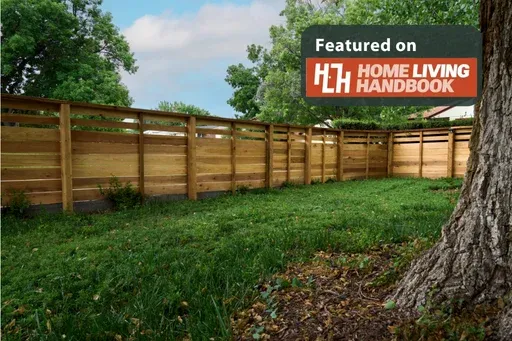
Horizontal fencing stretches sightlines and can make smaller yards feel wider and more open.
Vertical layouts for stronger definition
Vertical designs create clearer separation between zones, making each section feel more intentional and structured.
Combined styles for layered backyard design
Blending multiple wood fence styles allows different zones to have distinct identities while maintaining overall design consistency.
Why wood fence installation shapes usability
A flexible wood fence installation approach makes it possible to refine layout decisions based on how the space is actually used.
Improving movement between zones
Shifting fence placement helps create natural pathways that guide movement between different backyard areas.
Aligning with landscape features
Trees, patios, and garden beds play a major role in determining optimal placement so that fencing enhances rather than interrupts the environment.
For homeowners exploring structured outdoor layouts, reviewing wood fence options helps clarify how materials and placement work together in real-world backyard design.
How backyard fence installation affects everyday living
The impact of backyard fence installation extends beyond design and directly influences how outdoor spaces are used daily.
Activating previously unused areas
Corners or overlooked sections of the yard can become functional once defined through wood fence placement.
Balancing privacy and openness
Strategic layout allows certain areas to feel private while maintaining overall openness and visibility across the yard.
Adapting to changing household needs
As routines evolve, flexible fencing layouts support new uses such as outdoor workspaces, entertainment areas, or expanded family zones.
Creating structure without losing openness
One of the most important benefits of wood fence experimentation is the ability to add structure without making the yard feel closed in.
Defining space without full enclosure
Instead of walls, fencing creates soft boundaries that guide use while preserving airflow and visibility.
Supporting cohesive outdoor design
Consistent wood fence styles help connect different zones so the yard feels unified rather than fragmented.
From experiment to long-term backyard design
Once placement testing is complete, the final wood fence installation becomes more intentional and efficient. The experiment removes uncertainty and replaces it with a layout based on real use patterns.
Across Birmingham, this approach is reshaping how outdoor spaces are designed. Backyards are no longer treated as single open areas but as structured environments built for multiple functions.
Top Rail Fence Birmingham continues helping homeowners refine these layouts, turning experimental fence placement into long-term outdoor living solutions built around practical wood fence design and thoughtful wood fence styles.
A deeper look into outdoor design principles from the Houzz outdoor design resources highlights how zoning and structured layouts continue to shape modern residential landscaping trends.
To begin planning your own backyard transformation, visit the Contact Us page and connect with Top Rail Fence Birmingham for expert guidance on customized wood fence installation solutions.