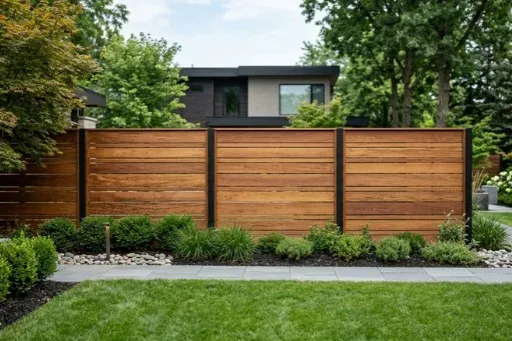
A single yard can present several installation challenges, even when the same fence style runs around the entire boundary. In Birmingham, a level lawn may transition into a sloped side yard, compacted soil, or a section where rainwater collects. Each change affects how wood fence installation should be planned, from post depth and spacing to panel alignment and drainage. For property-specific options, Top Rail Fence Birmingham can help evaluate how a wood fence should follow the actual conditions across a property rather than relying on one installation method from end to end.
The ground beneath a fence determines much of its long-term stability. A layout that looks straightforward on a site plan may need adjustments once the installer examines the soil, elevation, and obstacles along the proposed route. Understanding those differences helps explain why successful wood fence installation involves more than setting posts at equal intervals.
Why one property can require several installation methods
A fence line rarely sits on perfectly uniform ground. Changes in elevation, soil composition, moisture, and existing landscaping can occur within a short distance. Treating every section identically can create uneven top lines, inconsistent gaps, or posts that do not receive adequate support.
Reading the terrain before setting the layout
Installers first assess how the yard rises, falls, and changes direction. A gradual slope may allow fence sections to follow the land, while a sharper change could require stepped panels or a revised post arrangement.
This assessment also helps identify where the fence should begin and end, how gates will operate, and whether existing structures affect the route. Careful measurements give wood fence installation a practical starting point before digging begins.
Identifying soil that behaves differently
Soil can vary from loose and sandy to dense clay or heavily compacted fill. Each type responds differently when a post hole is excavated and when moisture enters the ground.
The installer considers whether the soil can hold a post securely, whether excavation may be difficult, and whether water could collect around the base. These details influence the choice of wood fence materials, post dimensions, and installation technique.
Adjusting post placement for changing elevations
Post placement is one of the most important parts of a durable fence. When the ground changes height, installers need to maintain a stable support system while keeping the finished fence visually consistent.
Following a gradual slope
On a gentle incline, fence sections may be aligned to follow the terrain. This approach can reduce large openings beneath the boards and preserve a continuous appearance along the boundary.
The installer checks the slope across each section rather than assuming that the ground rises evenly. Small changes in elevation can affect how rails meet posts and how the fence line appears from different viewpoints.
Managing sharper drops with stepped sections
A steep change may call for a stepped layout. Instead of tilting every panel, each section remains level while the next begins at a different height.
This method can create a structured appearance, but it requires careful planning around the lower edges. The installer must consider the resulting gaps, the fence's intended purpose, and how the transition will look from both sides.
Choosing materials with the site in mind
The same fence design may need different installation details depending on exposure to moisture, soil contact, and physical demands. Selecting suitable wood fence materials is therefore connected to the property's conditions, not only its appearance.
Matching posts and rails to the installation demands
Posts carry the structural load, while rails connect the sections and support the boards. Their dimensions, spacing, and treatment should suit the fence height, layout, and site conditions.
Where ground moisture is a concern, the installer should consider appropriate wood treatment and ways to limit prolonged moisture exposure. Properly selected wood fence materials can support a more reliable installation when paired with sound construction practices.
Planning board clearance near the ground
Boards installed too close to soil may remain exposed to moisture, mud, and vegetation. On uneven terrain, maintaining consistent clearance can be difficult because the ground may rise beneath one section and fall beneath another.
The installer evaluates the bottom edge across the full run, balancing appearance, intended containment, and practical clearance. This is especially important where landscaping or regular yard maintenance could bring soil and debris into contact with the fence.
Responding to drainage and wet areas
Water movement can influence how long a fence remains stable and how well its wood components hold up. A low section of the yard may collect runoff, while another area may dry quickly after rainfall.
Keeping posts away from persistent water collection
Before fence installation, installers should identify depressions and areas where water tends to stand. If a post is placed in a location that remains saturated, the surrounding soil may provide less dependable support, and wood exposed to persistent moisture may deteriorate more quickly.
The layout may need to account for drainage patterns, while post-setting methods should be appropriate for the soil and site. Fence construction should not redirect runoff in a way that creates problems for neighboring properties.
Working around established drainage features
Swales, drainage channels, downspouts, and grading transitions can affect where a fence can safely sit. Blocking a natural water path may cause pooling or erosion near the fence line.
A site review helps identify these features before excavation. It also gives the installer an opportunity to discuss adjustments where the proposed route conflicts with drainage or access needs.
For guidance on local development and permitting considerations, Jefferson County Development Services provides information about services and requirements that may apply to projects in the county.
Handling compacted soil and difficult excavation
Some parts of a yard are harder to dig because of construction fill, compacted ground, roots, or buried obstructions. These conditions can slow the work and affect how post holes are prepared.
Adjusting excavation around dense ground
Compacted soil may resist digging and make it harder to create uniform holes. Installers need to assess the material rather than forcing posts into shallow or poorly prepared openings.
Where excavation conditions vary, the post-setting approach may need to change from one section to another. The objective is consistent structural support, even when the work required to achieve it is not identical.
Protecting trees and existing landscape features
Tree roots, retaining edges, irrigation lines, and established planting beds can restrict the available path. Moving a post slightly may be possible, but the revised spacing must still support the fence design.
A thoughtful layout accounts for these obstacles before installation begins. It can help avoid unnecessary root damage, reduce rework, and preserve important landscape features.
Keeping the finished fence visually consistent
Different ground conditions do not mean the completed fence has to look pieced together. Consistency comes from planning the transitions, checking alignment, and making deliberate decisions about each section.
Checking the top line across the property
The top edge is one of the most noticeable features of a fence. On sloped ground, installers must decide whether the design should follow the terrain or use stepped sections.
Both approaches can work, but the choice should be consistent with the yard's shape and the homeowner's goals. Careful alignment prevents abrupt or unintended changes in the finished appearance.
Reviewing gates where the ground changes
A gate placed near a slope or uneven surface may not swing freely if the ground clearance is insufficient. Gate locations should be checked for level, access, and movement before the final layout is approved.
This is particularly important where a driveway, walkway, or frequently used side entrance meets the fence. The opening needs to function properly while fitting the surrounding grade.
Why a site-specific installation plan matters
A reliable wood fence installation plan responds to the property instead of forcing the property into a standard layout. Soil strength, slope, drainage, post positioning, and material selection all contribute to the result.
A professional assessment can also reveal where one installation method should transition to another. That flexibility helps maintain a consistent fence line while accounting for the differences hidden beneath the grass.
For a closer look at available styles and construction options, explore wood fencing solutions and consider how the design could fit the property's terrain.
Build a fence that works with the whole yard
From firm, level ground to sloping edges and moisture-prone sections, every part of a property can influence the details of wood fence installation. A careful plan considers the soil, elevation, drainage, materials, and access points before the first post is set. Top Rail Fence Birmingham can help assess these conditions and plan a fence that fits the property’s layout. To discuss your project and request an estimate, visit the Contact Us page to connect with the team. With the right preparation, Top Rail Fence Birmingham can help turn a varied yard into a cohesive, functional fence installation.