Property lines are not always as clear as they seem. If a fence appears to sit on your land, it can create tension, confusion, and even legal complications. Before taking immediate action, it is important to understand your rights, local regulations, and the proper process for fence removal.
At Top Rail Fence, we often speak with homeowners who are unsure whether they can legally remove a structure that crosses their property line. If you are facing this situation, working with an experienced team that understands property boundaries and proper regulations can make a major difference.
Understanding Property Rights and Fence Placement
When it comes to fence installation, property ownership determines who has the legal authority over structures placed on the land. If a fence was installed fully inside your boundary without your permission, it may be considered an encroachment.
However, simply assuming the fence is on your property can lead to costly disputes. Boundary lines are not always aligned with where homeowners believe they are. A misplaced assumption could result in liability for damages if you remove a fence that technically belongs to your neighbor.
Before considering fence removal, you need verification.
Confirming the Exact Boundary Line
The first step is obtaining a professional land survey. A licensed surveyor will examine your deed and provide precise measurements that clearly define the legal property line. This documentation becomes your strongest support if discussions escalate.
Without a survey, any claim regarding improper fence installation remains uncertain.
Is Immediate Fence Removal a Good Idea?
While many homeowners believe they can remove a neighbor’s fence without notice, acting too quickly can strain relationships and increase the risk of legal consequences.
In some cases, long-standing fences may involve legal doctrines such as boundary by acquiescence or adverse possession. Laws vary by state, and the time requirements differ significantly. You can review general property boundary principles through the Nolo Legal Encyclopedia for additional context.
Even if you have the legal right to proceed with fence removal, thoughtful communication is usually the smarter path.
Practical Steps to Resolve a Fence Dispute
Rather than jumping straight to removal, consider a structured approach that protects your rights while encouraging cooperation.
Open Communication With Your Neighbor
After confirming the boundary, share the survey results with your neighbor. Many encroachments happen during privacy fence installation when contractors rely on outdated markers or assumptions.
Approach the conversation calmly and provide documentation. In many cases, neighbors are willing to adjust or relocate the fence once they see verified measurements.
Reviewing Local Codes and Permits
Municipalities often require permits for fence installation, and placement rules may specify setbacks from property lines. Checking local zoning requirements can strengthen your position if the fence violates city guidelines.
If your neighbor skipped the permitting process, that may further support your request for correction.
Negotiating a Resolution
Sometimes the most practical solution is a compromise. Options may include:
- Agreeing to shift the fence slightly
- Sharing relocation costs
- Converting the structure into a shared good neighbor fence
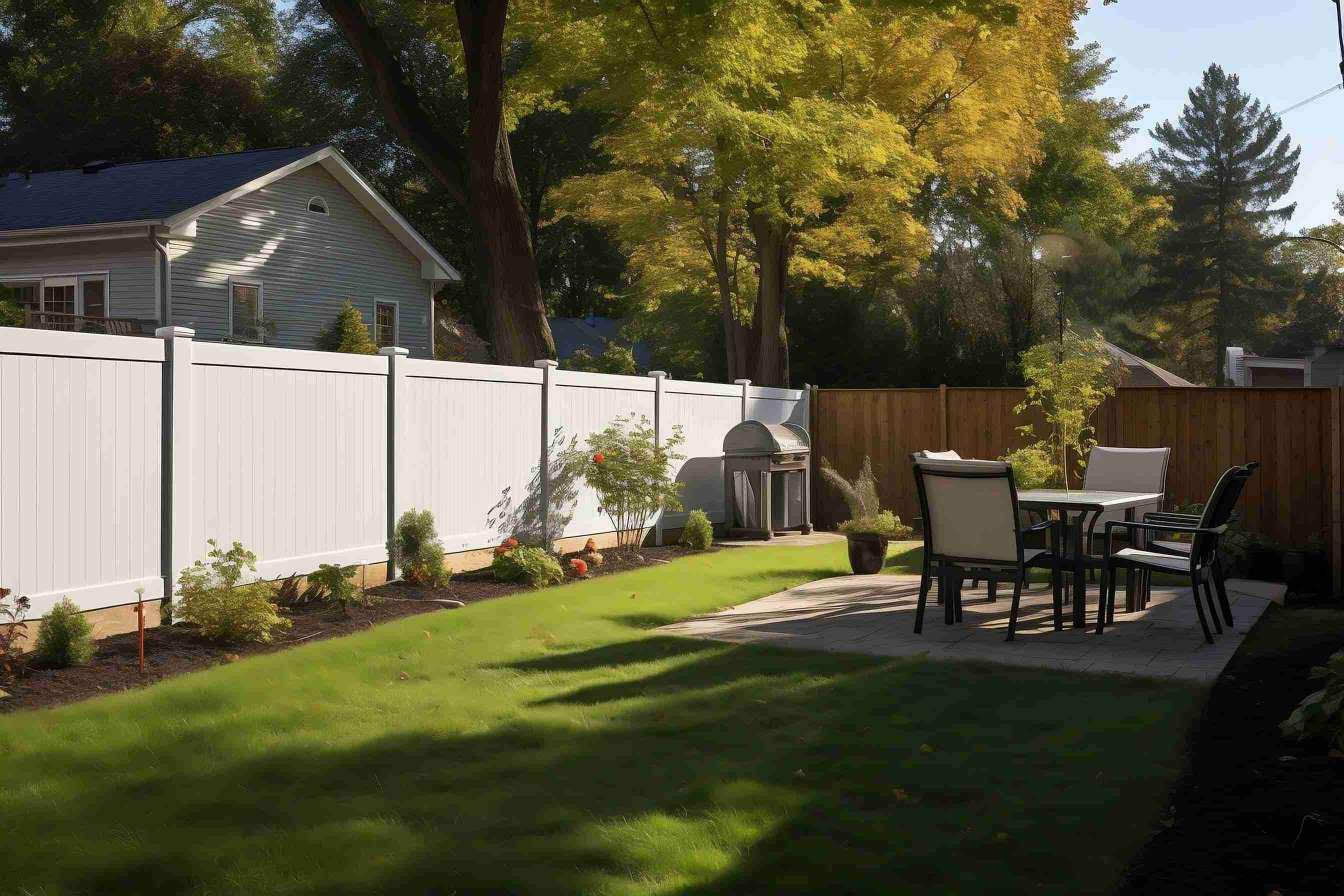
A good neighbor fence is designed to look identical on both sides, eliminating the traditional “finished side versus back side” debate. This solution often works well when the fence sits directly on the property line, and both parties agree to maintain it.
When Self-Removal Becomes Necessary
If discussions fail and the survey clearly confirms encroachment, you may move toward fence removal. However, doing so should be handled professionally to avoid property damage.
Improper removal could damage adjacent landscaping or create safety risks. Hiring experienced contractors ensures the work is completed carefully and within legal boundaries.
At Top Rail Fence, we regularly assist homeowners with correcting improperly placed fences and managing new fence installation projects that comply with local codes.
Planning a Replacement Fence the Right Way
After resolving an encroachment, many homeowners choose to install a new structure that fully protects their property.
Choosing the Right Type of Fence
Depending on your goals, you may consider:
- Standard boundary fencing
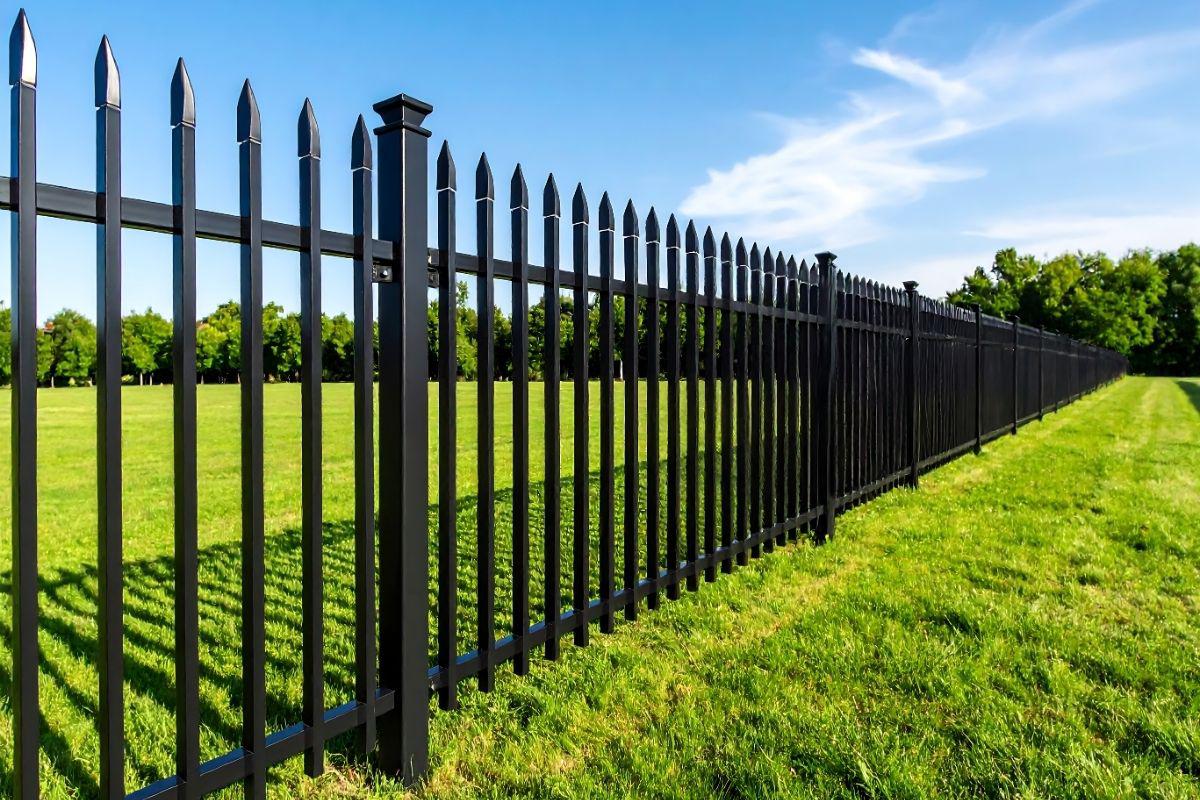
- Decorative perimeter fencing
- Full privacy fence installation for added security
A properly installed privacy fence not only restores your property line but also enhances backyard usability and resale value.
Preventing Future Boundary Conflicts
To avoid repeat issues:
- Always schedule a survey before new fence installation
- Confirm setback requirements
- Review HOA regulations if applicable
- Work with a reputable fencing professional
You can also explore related resources, such as Do You Need a Survey to Build a Fence? to better understand preparation steps before construction.
Can a Fence Be Built Directly on the Property Line?
In many residential neighborhoods, fences can be placed on the property line if both owners agree. However, if one party objects, most experts recommend installing the fence slightly inside your boundary to avoid disputes.
A shared good neighbor fence can be an effective solution when both homeowners want a clean, uniform look.
Clear communication and written agreements reduce misunderstandings and protect both sides from future legal complications.
Protecting Your Investment With Professional Fence Installation
Disputes over fences often arise from improper measurements or rushed construction. Choosing an experienced provider for fence installation significantly reduces the likelihood of future conflicts.
When homeowners work with Top Rail Fence, they receive guidance on placement, materials, and code compliance. Our team prioritizes precision to ensure every privacy fence installation or boundary project is built exactly where it belongs.
If you are currently dealing with an encroachment or planning a new fence after fence removal, our experts are ready to help you move forward with confidence. Visit our Contact Us page today to schedule a consultation and protect your property the right way.
Final Thoughts
Discovering that a neighbor’s fence may sit on your property can feel overwhelming. While you may have the right to pursue fence removal, the smartest approach combines documentation, communication, and professional assistance.
Verifying boundaries, discussing options such as a good neighbor fence, and planning a compliant fence installation ensure you resolve the issue without creating new ones. With the right strategy and support from Top Rail Fence, you can protect your land, maintain neighborly relationships, and restore confidence in your property lines.