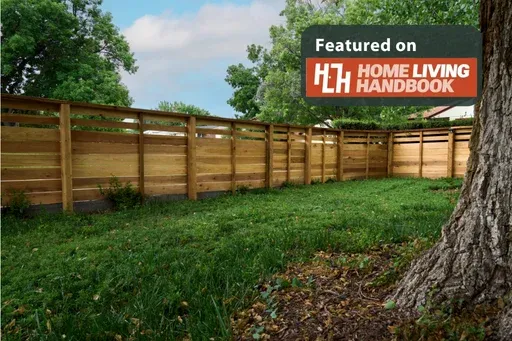
A chain link fencing project can provide a practical boundary without blocking the character of an established landscape. In Charlottesville, however, mature trees can make fence planning more complicated because their root systems may extend well beyond the visible canopy. Positioning posts too close to existing trunks can create installation challenges today and potential conflicts as roots continue developing. Top Rail Fence Charlottesville can help plan a fence line that works with the existing landscape while maintaining the intended boundary, access, and appearance.
Read the landscape before marking the fence line
The most effective chain link fencing plans begin with an understanding of what already exists underground. A mature tree's trunk provides only a limited indication of where its roots may be located. Large structural roots can extend outward while smaller roots occupy surrounding soil.
This makes the relationship between trees and fence posts an important consideration before chain link fence installation begins.
Look beyond the visible tree canopy
The canopy can provide a useful visual reference, but it should not be treated as an exact map of the root system. Roots can spread in different directions depending on soil conditions, available moisture, nearby structures, grading, and the tree's history.
A fence line that appears comfortably separated from a trunk could still encounter substantial roots when post holes are excavated. Identifying mature trees along the proposed route helps installers anticipate these locations rather than discovering them unexpectedly.
Consider the tree’s current condition
Healthy mature trees may continue adding roots and expanding their canopy for years. Trees that have experienced previous construction, soil compaction, or changes in drainage may have different root patterns.
The goal is to establish a chain link fencing layout that respects the existing landscape instead of forcing trees and fencing into competing spaces.
Give critical roots room to remain undisturbed
Excavation is one of the most important considerations when installing fence posts near mature trees. A post hole that intersects a significant root can create a difficult choice between changing the fence location and cutting through the root.
Avoiding unnecessary root disturbance can be an important part of responsible site planning.
Mark trees that create installation constraints
Before finalizing the fence line, identify mature trees located near potential post positions. Marking these locations creates a visual reference for determining where adjustments may be necessary.
A slight change in spacing can sometimes move a post away from a problematic root while allowing the overall fence line to remain functional.
Do not assume every root is disposable
Small roots and larger structural roots do not have the same significance to a tree. Cutting major roots can potentially affect stability or health, particularly when excavation occurs close to the trunk.
A careful fence installation plan considers whether a proposed post location creates an unnecessary conflict with established vegetation.
Understanding how tree roots can affect construction
Tree roots can extend well beyond the visible trunk and may occupy areas needed for construction or landscaping. The University of Florida's Institute of Food and Agricultural Sciences explains that construction activities such as trenching, grading, and excavation can damage tree roots and affect tree health. Reviewing its guidance on protecting trees during construction can help clarify why careful planning around established trees matters when positioning posts for chain link fencing.
Use post placement to shape the entire design
Post locations influence more than the structural strength of chain link fencing. They also affect corners, gates, transitions, property boundaries, and the overall visual rhythm of the fence.
When trees interrupt a straight run, strategic planning can allow the fence to follow the property's needs without placing posts directly against trunks.
Adjust the line where trees create pressure points
A fence does not always need to follow the shortest possible route. Moving a section slightly outward around a mature tree can create additional clearance and reduce excavation concerns.
This type of adjustment can also preserve a tree's surrounding landscape, particularly when the alternative would require extensive root disturbance.
Use corners strategically
Corners can provide useful opportunities to redirect a fence line. Instead of treating a mature tree as an obstacle that must be squeezed between two posts, the layout can incorporate a gentle change in direction.
A thoughtful chain link fence installation can maintain a clean appearance while accommodating existing trees naturally.
Plan gates separately from ordinary fence sections
Gates introduce additional planning requirements because they depend on properly positioned posts and sufficient clearance for movement. A tree near a gate location can therefore create a more significant constraint than a tree beside a standard fence panel.
Protect access while preserving tree space
Gate posts need adequate room for a stable installation, while the gate itself requires clearance to swing or slide as designed. If a mature tree occupies that area, moving the entire entrance may be more practical than trying to force the gate into a restricted space.
During chain link fence installation, gate placement should be evaluated alongside tree locations, walkways, driveways, and frequently used access routes.
Keep future maintenance in mind
A gate positioned too close to a tree can become increasingly difficult to use as branches, roots, or surrounding vegetation develop. Leaving appropriate space can make future fence maintenance easier and reduce the likelihood of repeated adjustments.
Account for Charlottesville’s established landscapes
Charlottesville has a mix of mature residential landscapes, wooded areas, established neighborhoods, and properties where existing trees contribute significantly to the setting. A new chain link fencing system should work within that environment rather than treating the landscape as a blank construction site.
Trees can provide shade, visual interest, and a sense of maturity that would be difficult to recreate after removal. Protecting those existing features can also help a newly installed fence feel more integrated with the property.
Preserve important landscape features
A fence can often coexist with mature vegetation when the layout is carefully considered. Keeping adequate clearance around trunks and avoiding unnecessary excavation near major roots can reduce conflicts during installation.
Where a tree is particularly important to the landscape, it may be worth adjusting the fence line rather than removing the tree or compromising its surrounding soil.
Think about drainage around trees and posts
Trees and fence posts can both be affected by changes in soil moisture. Grading or drainage alterations made during construction can influence how water moves through the site.
Planning the fence route alongside existing drainage patterns helps prevent situations where water collects around posts or where construction unnecessarily changes the conditions surrounding established trees.
Create a root-aware installation sequence
Planning is not limited to drawing the final fence line. The order in which site preparation, excavation, post placement, and fencing occur can also influence how smoothly the project proceeds.
Confirm post locations before excavation
A final review of post positions can identify locations that may require adjustment before equipment and materials are committed to the installation.
This is especially useful around mature trees, where a small layout change made before excavation is much simpler than correcting a conflict after digging has begun.
Allow field conditions to inform adjustments
Plans provide direction, but actual site conditions can reveal information that is not visible beforehand. Unexpected roots, buried features, changes in grade, or drainage conditions may require a minor adjustment.
A flexible approach to fence installation helps maintain the project's overall objectives without forcing every post into a predetermined position.
Build maintenance access into the fence layout
A durable chain link fencing plan should consider what happens after installation. Mature trees require ongoing care, and the fence should not make pruning, inspection, landscaping, or other routine work unnecessarily difficult.
A practical layout provides enough room to reach areas that may eventually require attention.
Keep vegetation from overwhelming the fence
Branches, vines, and dense vegetation can eventually come into contact with chain link fabric or posts. Regular trimming can help maintain access and reduce unnecessary pressure on the fence.
Routine fence maintenance is easier when there is sufficient working space between the fence and surrounding vegetation.
Watch for changing root conditions
Trees continue growing after the fence is installed. Although a properly planned fence does not need to be constantly moved as roots develop, periodic observation can identify changes in soil movement, drainage, or landscaping conditions.
Keeping records of vulnerable areas can also make future maintenance more predictable.
Connect the fence plan with the property's long-term needs
A fence designed around mature trees should serve more than the immediate installation. The best chain link fencing layout considers how the property may change over the years while preserving the trees that already define the landscape.
For properties where a transparent boundary is preferred, chain link fencing solutions can provide a practical option for enclosing yards, defining boundaries, and supporting different access requirements.
Plan for future landscaping changes
Garden beds, pathways, sheds, patios, and other outdoor features may be added later. Keeping the fence layout organized around existing trees can make these future improvements easier to incorporate.
A well-planned chain link fencing system should not create unnecessary restrictions for the rest of the property.
Think beyond the first installation day
The relationship between a fence and mature trees is ongoing. Trees grow, landscaping changes, drainage patterns can shift, and fences require periodic inspection.
A long-term approach to fence maintenance helps preserve both the function of the fence and the condition of the surrounding landscape.
Create a fence line that works with nature
Mature trees do not have to prevent a successful chain link fence installation. They simply require the fence plan to account for conditions that are not immediately visible. By identifying established trees, anticipating root zones, adjusting post positions, planning gates carefully, and allowing room for future landscape growth, a fence can be installed without unnecessarily forcing posts into areas likely to conflict with developing roots.
For Charlottesville properties, Top Rail Fence Charlottesville can help evaluate the relationship between the proposed fence line and existing landscape features. A site-conscious approach to chain link fencing can produce a cleaner installation while making future fence maintenance more manageable.
If you are planning chain link fencing around mature trees and want to develop a layout that accounts for today's landscape and tomorrow's growth, visit Contact Us to connect with Top Rail Fence Charlottesville and discuss your fence installation project.