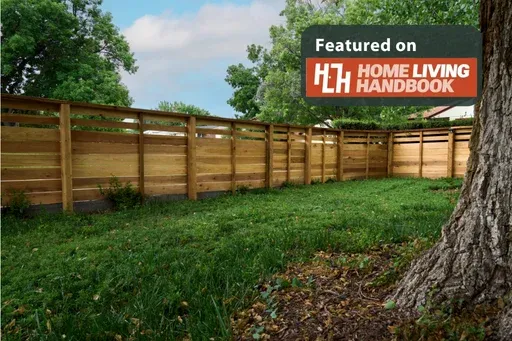
A challenging property can make fencing feel like a design puzzle. Sloped terrain, unusual lot lines, tight access areas, mature landscaping, and changes in elevation can all affect how a fence should look and function. In Chattanooga, these conditions do not have to prevent a distinctive outdoor boundary. With thoughtful fence design, difficult spaces can become opportunities to create a finished look that feels intentional and connected to the property.
Through the Top Rail Fence Chattanooga location page, Top Rail Fence Chattanooga shows how careful planning can help transform complicated property layouts into attractive fencing solutions. Rather than treating every property as a standard installation, a customized approach considers the terrain, architecture, landscaping, access points, and the purpose of the fence before the first post is placed.
What makes a property challenging for fence design?
Not every yard provides an easy, straight path for fencing. The property's existing characteristics can influence everything from the fence line to the placement of gates and individual sections.
Uneven terrain changes the installation approach
Sloped yards can create visual and practical challenges. A fence that follows the ground too rigidly may produce an uneven appearance, while an overly uniform approach may not work with the property's natural grade.
A carefully planned fence design can account for elevation changes through appropriate transitions between sections. This allows the fence to follow the property's terrain while maintaining a consistent appearance.
Irregular boundaries require greater precision
Some properties contain angled boundaries, narrow side yards, unusual corners, or sections that do not align with the home's architecture. These conditions can make a standard layout look disconnected.
A customized design considers the actual shape of the property instead of forcing it into a predetermined configuration. This creates a fence line that feels more natural and purposeful.
Existing features can influence placement
Trees, gardens, driveways, retaining walls, patios, and outdoor structures may already occupy important portions of the yard. These features need to be considered when developing the layout.
Instead of seeing them solely as restrictions, an experienced fence company can incorporate them into the overall design so the completed installation works with the landscape.
How thoughtful planning creates a distinctive fence
The most memorable fencing does not necessarily rely on elaborate details. Its distinction can come from how effectively the design responds to the property.
Follow the character of the landscape
A successful fence design should feel compatible with its surroundings. On a property with significant elevation changes, the layout can respond to the natural contours rather than appearing completely separate from them.
This approach can make the fence feel like an extension of the landscape instead of an object placed across it.
Create transitions between different areas
A property may require different levels of openness or privacy depending on the location. One section might border a driveway, another may surround a backyard, while another could separate an outdoor living area.
A unified design can connect these sections while allowing each portion to serve its specific purpose.
Consider the fence from multiple viewpoints
A fence can look very different depending on where it is viewed. The appearance from the street may differ considerably from the view from a patio or backyard.
Considering these sightlines during the planning stage can help create a more balanced fence design that complements the property from several directions.
Turning awkward areas into intentional features
Unusual sections of a property do not always need to be hidden. With the right approach, fencing can give these spaces greater definition.
Give unused corners visual structure
An awkward corner can become part of the overall landscape once the fence establishes a clear boundary around it. Instead of looking disconnected, the area can feel integrated into the yard.
The right alignment can also create opportunities for landscaping, seating, storage, or other outdoor uses.
Frame attractive landscape elements
A fence can provide a backdrop for trees, gardens, flowering plants, and other landscape features. Strategic placement can draw attention to these elements rather than blocking them from view.
This makes fence design an important part of the property's overall visual composition.
Improve the relationship between spaces
Outdoor areas can sometimes feel disconnected when there is no clear transition between them. Fencing can establish separation while helping each area feel like part of a larger plan.
This is particularly useful when a property includes several different outdoor functions.
What should happen before fence installation?
A distinctive result depends on more than selecting attractive materials. The planning stage is where many of the property's unique conditions should be addressed.
Study the terrain and property layout
Elevation, boundary lines, drainage patterns, landscaping, and existing structures can all affect fence installation. Understanding these conditions beforehand makes it easier to establish a practical layout.
Plan gates around everyday movement
Gate locations should make sense for how people use the property. Walkways, driveways, side entrances, and backyard access can all influence where openings should be placed.
A visually appealing fence can quickly become inconvenient if access points are positioned without considering daily movement.
Coordinate the fence with the home
The fence should complement the home's architectural character rather than compete with it. Proportions, lines, materials, and decorative details can all contribute to a cohesive appearance.
A quality fence should look like it belongs on the property, not like a separate feature added without consideration for its surroundings.
How a fence company approaches complicated properties
Every difficult property presents different requirements. The planning process should therefore be flexible enough to address the conditions found on the site.
Start with the property's limitations
Identifying challenging areas early can prevent problems later in the project. Tight spaces, slopes, obstacles, and irregular boundaries can all be incorporated into the initial planning process.
This allows the fence company to develop a more realistic installation strategy.
Balance appearance with practical needs
A beautiful fence still needs to perform its intended function. Privacy, security, access, boundary definition, and durability should remain part of the conversation throughout the design process.
The goal is to create a fence design where practical performance and visual appeal support each other.
Use details to connect separate sections
When a property requires different configurations, repeated design elements can maintain consistency. Similar post styles, panel treatments, proportions, or decorative features can help separate sections feel connected.
This allows customization without making the overall fence appear disjointed.
Why challenging properties can produce better fence designs
Restrictions can sometimes encourage more thoughtful solutions. When a fence cannot simply follow a straight line across an open, level yard, the design has to respond more carefully to its surroundings.
Unique conditions encourage customization
A property with unusual terrain or boundaries provides a reason to move beyond a generic layout. The resulting fence design can reflect characteristics that make the property different.
Strategic placement can improve the landscape
A fence can establish stronger relationships between outdoor areas, landscaping, and architectural features. This can make the entire property feel more organized.
Practical requirements can become design elements
Gates, transitions, changes in height, and directional shifts do not necessarily have to detract from the appearance of the fence. When planned correctly, they can become intentional parts of the finished design.
For Top Rail Fence Chattanooga, this type of planning demonstrates how fencing can be approached as both a functional boundary and a significant landscape feature.
Creating fencing worth showcasing
A difficult property does not need to settle for an ordinary fence. In Chattanooga, challenging terrain and unusual layouts can provide the foundation for fencing that is distinctive, functional, and visually connected to its surroundings.
The strongest fence design starts by understanding what makes a property different. Slopes can be accommodated, irregular boundaries can be carefully followed, and existing landscape features can become part of the finished composition. When these details are considered before fence installation, the result can feel deliberate from one section to the next.
A quality fence should do more than mark the edge of a property. It should work with the land, support how the outdoor space is used, and contribute to the property's overall appearance. When thoughtful planning meets skilled installation, even complicated spaces can become some of the most distinctive parts of the landscape.
If your property presents unusual terrain, limited access, or a challenging layout, visit the fence design options available through Top Rail Fence to explore solutions that can be adapted to your property's character. You can also use the Contact Us page to discuss your project and determine the next steps with Top Rail Fence Chattanooga.