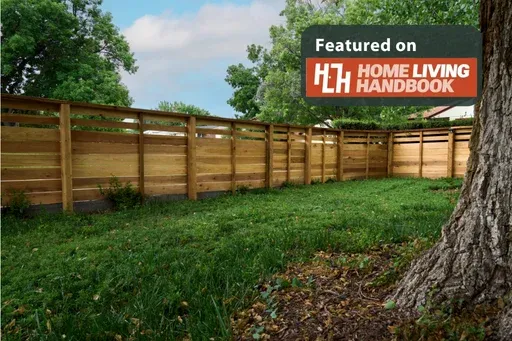
A successful fence installation is shaped by the work that happens before the first panel goes into place. On properties in Chattanooga, terrain, property lines, landscaping, access routes, and existing structures can all influence how a project moves from an initial concept to a finished boundary. The Top Rail Fence Chattanooga page gives property owners a closer look at available fencing solutions, while the installation process itself reveals how careful preparation contributes to a quality fence.
For Top Rail Fence Chattanooga, each project involves more than placing posts at measured intervals. The finished result depends on translating the planned layout into a practical installation while accounting for conditions found on the property. From measuring the fence line to setting posts and completing the final inspection, each stage contributes something important.
The layout establishes the direction of the project
Before materials arrive and construction begins, the proposed fence line needs to be understood in relation to the property.
Measuring the intended boundary
Measurements establish the foundation for the fence installation. The planned line needs to account for the property's dimensions, corners, gates, and any changes in direction.
Accurate measurements also help determine how many posts, panels, gates, and other fence materials may be required. A carefully measured layout reduces unnecessary adjustments once installation is underway.
Marking corners and important points
Corners provide reference points for the rest of the fence. Marking them clearly helps establish where sections will change direction and where additional attention may be necessary.
Gate locations also need to be identified during this stage. Their placement can influence the spacing and configuration of nearby fence sections.
Reviewing the site before digging
A visual review of the proposed line can reveal trees, landscaping, structures, slopes, drainage areas, and other conditions that could affect construction.
Underground utilities should also be considered before excavation. In the United States, 811 provides information for requesting utility marking before digging, making it an important part of responsible preparation for projects involving ground disturbance.
Preparing the ground for the first posts
Once the layout is established, preparation shifts toward creating the conditions needed for the fence structure.
Clearing the installation path
Grass, brush, debris, or other obstacles along the planned fence line may need to be addressed before posts can be positioned.
A clear working area makes it easier to maintain accurate measurements and gives installers sufficient room to work around each section.
Accounting for changes in elevation
Not every Chattanooga property has a completely level surface. Slopes can influence how fence sections transition from one elevation to another.
The installation plan needs to accommodate these changes while keeping the finished fence visually consistent. How individual sections meet each other can have a major effect on the final appearance.
Confirming post locations
Post positions establish the framework for the entire fence. Before excavation, spacing and placement can be reviewed against the original layout.
This step is particularly important around corners and gates, where small positioning errors can affect several adjoining sections.
Setting the framework for a durable installation
Posts provide the structural foundation that supports the rest of the fence. Their placement and installation therefore deserve careful attention.
Creating properly positioned post holes
The size and placement of each hole depend on the planned fence configuration and site conditions. Consistency helps maintain the intended alignment throughout the project.
The objective is not simply to create holes at equal distances. Each location needs to work with the overall layout.
Establishing a consistent fence line
As posts are positioned, installers can evaluate their relationship to one another. Looking along the fence line helps reveal whether the structure follows the intended direction.
A straight run requires consistent alignment, while a property with corners or elevation changes requires carefully planned transitions.
Giving gates additional consideration
Gates are functional components that need to operate properly after installation. Their posts may require additional planning because the gate must open and close within the available space.
Placement also needs to account for walkways, driveways, landscaping, and other features surrounding the entrance.
Selecting materials that support the project
The appearance and performance of a fence are influenced by the materials selected for the installation.
Match materials to the property's needs
Different fence materials offer different visual characteristics and functional qualities. The appropriate selection depends on factors such as the desired appearance, privacy requirements, maintenance expectations, and property layout.
A material that works beautifully for one property may not produce the same result on another.
Consider the relationship between sections
The materials should maintain a consistent appearance throughout the project. Posts, panels, rails, gates, and other components need to work together as one system.
This coordination helps create the polished appearance associated with a quality fence.
For homeowners comparing options before construction, reviewing fence styles and materials can provide useful context when deciding how the finished installation should look and function.
Bringing panels and sections into place
With the structural framework established, the installation begins to take on its final form.
Connecting each section carefully
Panels or individual fence components are positioned between posts according to the planned layout. Installers need to maintain appropriate spacing and alignment as they move from one section to another.
Each completed section becomes a reference for the next, making consistency important throughout the process.
Managing corners with precision
Corners can have a significant effect on the appearance of the finished fence. Poorly aligned transitions can make an otherwise attractive project appear uneven.
Careful positioning allows corner sections to connect cleanly while following the property's intended boundary.
Maintaining the planned design
As construction progresses, the original design should remain the reference point. Adjustments may sometimes be necessary when actual site conditions differ from initial expectations.
A skilled fence company can make those adjustments while keeping the broader design intact.
Checking the details before the project is complete
The final stage is about more than determining whether the fence is standing. A detailed review can identify areas that need adjustment before the installation is considered finished.
Inspecting alignment across the property
The fence can be viewed from multiple angles to evaluate the overall line. This can reveal subtle inconsistencies that may not be obvious when looking at individual sections.
Reviewing gates and access points
Gates should be checked for proper operation, clearance, and alignment. Their functionality is just as important as their appearance.
Examining the finished connections
Posts, panels, rails, gates, and other components should create a cohesive finished system. Small details can have a noticeable impact on the overall presentation.
What turns an installation into a finished result?
The difference between a collection of installed components and a quality fence is often found in the details.
Preparation supports accuracy
A well-developed layout gives installers a clear reference throughout construction. It helps connect measurements, post locations, gates, and individual sections into one coordinated plan.
Consistency improves the appearance
Even small variations can affect how a long fence line looks. Consistent spacing, alignment, and transitions contribute to a cleaner finished appearance.
Final adjustments complete the process
Installation does not end when the last panel is attached. Reviewing the completed fence allows attention to be given to details that may require refinement.
From the first mark to the finished fence
A fence installation is a sequence of connected decisions. The initial measurements influence the layout, the layout determines post placement, the posts establish the framework, and the framework supports the finished fence sections. Each stage builds on the one before it.
In Chattanooga, properties can present different terrain, access conditions, boundaries, and landscaping considerations. That makes the installation process especially important when the goal is to achieve a polished result that fits the property rather than simply placing a fence around it. Top Rail Fence Chattanooga approaches the project with attention to those individual details, from the first layout marks through the final review.
Understanding the process also makes it easier to appreciate what goes into a completed fence installation. The finished structure may appear simple once everything is in place, but its appearance and function are influenced by measurements, preparation, fence materials, post positioning, section alignment, gate placement, and final adjustments. When these elements are coordinated properly, the result is a quality fence built around the property's specific requirements.
If you are planning a new fence installation and want to discuss your property's requirements, use the Contact Us page to connect with Top Rail Fence Chattanooga and start planning your project.