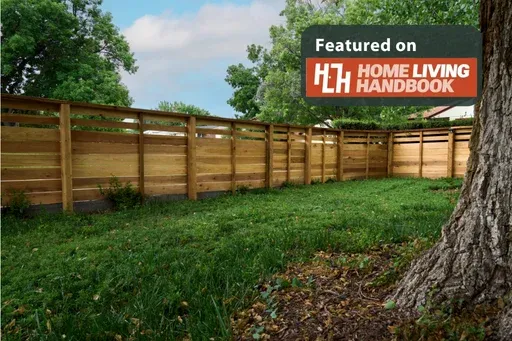
Oddly shaped spaces can be some of the hardest areas to incorporate into an outdoor layout. A narrow strip between structures, an uneven side yard, or a leftover space along a property boundary may have little obvious purpose. In Colorado Springs, a thoughtfully planned wood fence can give these overlooked areas structure while making them feel intentionally connected to the rest of the property. For locally tailored fencing options, Top Rail Fence Colorado Springs can help develop a solution around the property's dimensions, existing features, and intended use.
Turning leftover space into something useful
An awkward gap does not necessarily need to become another section of lawn or an inaccessible strip beside the house. A wood fence can establish a clear edge that changes how the space is perceived and used.
Rather than allowing an irregular area to remain visually undefined, fencing can give it a specific purpose. Depending on its location, the space could become a screened service area, a compact garden, a storage zone, a pet area, or simply a defined transition between two portions of the yard.
Defining the edges of an irregular area
Irregular spaces can feel unfinished because there is no obvious boundary separating them from the rest of the yard. A wood fence creates that missing visual edge.
The fence does not have to follow a perfectly straight line. Sections can be planned around the shape of the property while maintaining a consistent appearance. This makes it possible to work with unusual dimensions instead of trying to force an awkward space into a conventional rectangular layout.
Giving narrow areas a deliberate function
A narrow side yard may not be large enough for a traditional outdoor living area, but that does not make it useless. With a suitable wood fence, it can become a practical passageway, garden strip, storage location, or dedicated space for equipment.
The important distinction is that the fence helps define what the area is for. Once the boundaries are established, landscaping and other features can be added with greater purpose.
Selecting the right wood fence for unusual layouts
Not every fencing design works equally well in a constrained or irregular space. The size, height, board arrangement, and openness of the fence can all affect how the area looks and functions.
Understanding the available types of wood fences can make it easier to choose a design that complements the shape of the property rather than emphasizing its awkward dimensions.
Using privacy fencing to conceal less attractive areas
Some gaps contain utility equipment, bins, tools, or other features that are useful but visually distracting. A privacy-oriented wood fence can conceal these elements and give the surrounding property a cleaner appearance.
The enclosure should still allow appropriate access to anything that requires servicing. The goal is to reduce visual clutter without creating a barrier that interferes with necessary maintenance.
Choosing an open design for visual breathing room
A fully enclosed fence is not always the best solution. If an awkward gap already feels narrow, a solid enclosure can make it appear even more confined.
One of the advantages of having different types of wood fences available is the ability to adjust the amount of visual separation. A more open design can establish boundaries while allowing light and sightlines to pass through.
This can help a narrow area feel connected to the larger yard.
Creating a transition between neighboring spaces
A fence can also serve as a visual bridge between different parts of a property. For example, a side yard might connect a driveway with a backyard, while another gap might sit between a detached structure and the main house.
A carefully positioned wood fence can define this transition without making the two areas feel completely disconnected.
Designing around the shape instead of fighting it
One of the biggest advantages of custom fence planning is the ability to respond to existing conditions. An awkward gap may include a slope, mature tree, retaining wall, walkway, utility feature, or other obstacle that prevents a straightforward fence line.
Instead of treating these conditions as reasons to avoid the area, wood fence installation can be planned around them.
Following changes in elevation
Colorado Springs properties can have varying grades, and a fence may need to accommodate changes in elevation along its length. A properly planned installation can account for these transitions while maintaining a cohesive appearance.
The finished fence should follow the site's natural characteristics without producing unnecessary gaps or abrupt changes that make the space look unfinished.
Working around existing structures
Sheds, garages, retaining walls, patios, driveways, and landscaping can all affect where a fence can be placed. Measuring these elements before wood fence installation helps establish a realistic layout.
This is especially important in smaller gaps because even a few inches of misplaced fencing can affect access or make the area harder to use.
Preserving practical access
An enclosure should never make an already awkward space more difficult to navigate. Gates and openings need to be positioned around the property's actual movement patterns.
For example, a gate connecting a side yard with a backyard can make the enclosed area much more useful. A separate access point may also be appropriate if the space contains equipment or storage.
Creating a purposeful feature instead of hiding the gap
A fence can do more than conceal an undesirable area. It can help transform that area into a recognizable part of the landscape.
The difference comes from what happens inside the boundary. Once a wood fence establishes the perimeter, the space can be finished with landscaping, decorative stone, seating, storage, or other features that reinforce its purpose.
Building a compact garden zone
A narrow gap can work well as a dedicated planting area. Raised beds, container plants, or low-maintenance landscaping can turn unused ground into a visually interesting feature.
The fence provides a backdrop while also separating the garden from other areas of the property. This approach can make a previously neglected strip feel intentional without requiring a large-scale landscape redesign.
Creating a dedicated pet area
Some irregular spaces can also work as compact pet zones when the layout allows sufficient room and safe access.
A residential fence can establish a controlled boundary while keeping the area separate from gardens, patios, or other portions of the yard. The appropriate height and configuration will depend on the animals using the space and the property's specific requirements.
Organizing outdoor storage
A gap beside a garage or other structure can become a useful storage area when enclosed appropriately. Yard tools, bins, firewood, or seasonal items can be kept in one defined location rather than scattered throughout the property.
A wood fence can conceal the storage area from primary views while maintaining convenient access through a gate.
Keeping Colorado Springs requirements in mind
Fence placement should be evaluated alongside local requirements and existing property conditions. The City of Colorado Springs' current landscape code states that fences cannot block access to electric or gas meters, fire hydrants, fire department connections, and other fire protection equipment. It also includes specific height and sight-distance requirements for certain locations.
This is particularly relevant when fencing an awkward gap because these spaces can sometimes overlap with utility corridors, easements, or areas that require unobstructed access.
Checking for easements before construction
An apparent gap between properties may have more significance than its appearance suggests. Colorado Springs explains that easements can provide access for utilities, sidewalks, drainage, and other public services, and residential easements commonly run along property lines.
Before wood fence installation, checking available property documents and identifying applicable easements can help prevent a layout from interfering with rights or access associated with the property.
Making the fence work with the rest of the yard
The strongest fencing solutions do not treat the awkward gap as an isolated project. The new wood fence should relate to existing fencing, landscaping, structures, and outdoor areas.
A matching or complementary design can make the new section appear as though it was always part of the property.
Extending an established fencing style
If the property already has a wood perimeter fence, continuing a similar board pattern, height, and finish into the awkward area can create continuity.
Using the same approach can be especially effective when the new section connects two existing fence lines. Instead of creating a noticeable visual interruption, the added fencing can make the entire boundary feel more complete.
Using landscaping to soften the enclosure
Plants can soften the appearance of a fence and help integrate it into the yard. Shrubs, ornamental grasses, ground cover, and other suitable landscaping can create a transition between the fence and surrounding features.
The placement of plants should still leave gates, utility equipment, and access routes unobstructed.
Why thoughtful installation matters in small spaces
Small or irregular areas can actually require more careful planning than a simple straight fence run. Measurements become especially important when the available space is limited.
During wood fence installation, accurate positioning of posts, panels, and gates can determine whether the finished area feels purposeful or cramped.
A professional approach also allows the fence to account for property boundaries, ground conditions, existing structures, and the intended function of the space. This reduces the likelihood of creating an enclosure that looks attractive but is difficult to use.
Giving awkward gaps a new role
An unused strip between Colorado Springs properties does not have to remain a visual problem. With the right wood fence, an irregular space can become a clearly defined part of the outdoor environment.
The key is to determine what the space can realistically support before deciding how the fence should look. A garden, storage zone, access corridor, pet area, or screened utility space may each require a different configuration.
A well-planned residential fence can provide the structure needed to make that decision visible in the finished landscape. Instead of simply closing off an unwanted gap, the fence can establish a boundary that gives the area a practical and visual purpose.
For help planning an enclosure around an unusual property layout, Top Rail Fence Colorado Springs can assess the space and help determine an appropriate wood fence configuration. You can use the Contact Us page to discuss the dimensions, access requirements, and intended use of your project.
When the design accounts for the property's shape, existing features, and local requirements, an awkward gap can become an opportunity rather than a limitation. The right types of wood fences, combined with careful wood fence installation, can turn an overlooked section into a purposeful outdoor feature that feels naturally connected to the rest of a Colorado Springs property. With support from Top Rail Fence Colorado Springs, the finished fence can provide definition while helping an unusual space become more useful, organized, and visually complete.