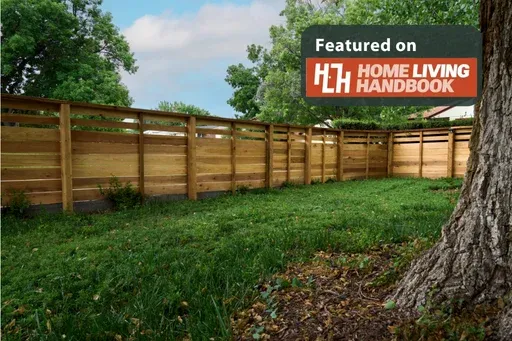
A rental property's exterior can influence how the home is perceived before a prospective tenant ever steps through the front door. In Colorado Springs, where residential properties can range from established neighborhoods to newer developments, the right wood fence can give a rental home a stronger visual identity while also defining outdoor areas. A thoughtfully selected fence can frame the yard, establish boundaries, and complement the property's architecture without making the exterior feel overly customized for a single occupant. For local fencing options and installation guidance, Top Rail Fence Colorado Springs offers solutions designed around different property layouts and project goals.
Giving rental exteriors a recognizable character
A rental property does not need an elaborate landscape design to stand out. Sometimes, a well-proportioned wood fence can provide enough structure to make the exterior feel complete. Wood has a natural appearance that can work alongside brick, stucco, siding, stone, and other common exterior materials.
For landlords and property managers, this can be particularly useful when the goal is to create an attractive outdoor environment without making permanent decorative changes to the house itself.
Framing the property without overpowering it
A fence establishes a visual boundary around the yard, but its height and configuration determine how prominent that boundary becomes. A lower wood fence can create definition around a front or side yard, while a taller design can provide greater privacy in a backyard.
The right proportion helps the fence support the property's appearance instead of becoming the dominant feature. This can be especially important for rental homes where exterior improvements need to appeal to a broad range of prospective tenants.
Creating continuity between the house and yard
A wood fence can also connect different parts of a rental property's exterior. For example, a natural wood finish can complement earthy landscaping, while a painted or stained fence can coordinate with exterior trim or other architectural details.
This creates a more unified appearance and can make the outdoor space feel intentionally designed rather than simply enclosed.
Choosing a wood fence style that fits rental properties
There is no single appearance that works for every rental property. Different wood fence styles can produce very different impressions, even when they use similar materials.
A privacy-oriented design can create a secluded backyard, while a picket-style configuration can provide a more open and traditional appearance. Horizontal layouts may offer a contemporary feel, whereas conventional vertical boards can reinforce a classic residential look.
Matching the fence to the property's architecture
The home's existing architecture should influence the selection of wood fence styles. A modern rental with simple exterior lines may benefit from a straightforward fence with minimal decorative details. A traditional property may pair naturally with a more familiar picket or board design.
The objective is to make the fence look as though it belongs with the property rather than appearing as a separate addition.
Using privacy strategically
Privacy can be particularly valuable for rental properties with small backyards, closely positioned neighboring homes, or outdoor spaces that face streets and shared areas.
A taller wood fence can create separation around patios, gardens, seating areas, and other portions of the yard. This can give tenants more flexibility in how they use the outdoor space while also establishing a stronger boundary between the rental and surrounding properties.
Making outdoor space more useful for tenants
A defined yard can influence how tenants experience a rental home. A fenced area can provide a clearer place for outdoor furniture, gardening, pets, recreation, or simply spending time outside.
For landlords, this means a wood fence can serve a practical purpose beyond appearance. It can help transform an undefined lawn into an outdoor space with recognizable zones.
Establishing boundaries around everyday activities
A fence can distinguish the primary backyard from driveways, neighboring properties, walkways, or other areas. This gives tenants a clearer understanding of where outdoor activities can take place.
For properties with children or pets, the boundary can also contribute to a more controlled outdoor environment. The specific fence design should be selected according to the property's needs rather than simply choosing the tallest available option.
Improving the relationship between hardscape and landscaping
A rental property's yard can feel fragmented when patios, planting areas, walkways, and open lawn areas lack a visual boundary. A wood fence can act as a backdrop for these features.
The natural appearance of wood can work particularly well behind shrubs, trees, flower beds, and other landscape elements. This creates depth and gives the outdoor space a more finished appearance.
Considering the practical side of wood fence installation
A visually appealing fence still needs to be properly planned and constructed. Wood fence installation involves more than placing boards around a property. Post locations, ground conditions, property boundaries, gates, slope changes, and the desired fence configuration all influence the finished result.
For a rental property, installation quality can be particularly important because the fence may be exposed to frequent everyday use and changing tenants over time.
Planning around gates and access points
Gates should correspond with how tenants use the property. A backyard gate near a driveway can simplify access for larger items, while a side gate can provide a convenient route between the front and rear portions of the property.
During wood fence installation, gate placement should also account for landscaping, walkways, structures, and other fixed features. A poorly positioned gate can make an otherwise attractive fence less practical.
Accounting for Colorado Springs requirements
Fence placement and height can be affected by local regulations. The City of Colorado Springs states that fences are subject to requirements involving height, location, sight visibility, and utility access. For example, fences forward of a building's front façade generally cannot exceed four feet, while fences over seven feet require a building permit.
This makes local planning an important part of wood fence installation, particularly when a rental property has an unusual lot configuration or sits near a street, driveway, or corner.
Understanding what affects wood fence installation cost
Budget planning is another important consideration when improving a rental property. Wood fence installation cost can vary significantly depending on the project's size, design, material selection, terrain, gates, and installation requirements.
There is no single price that applies to every rental property because each site presents different conditions.
Looking beyond the price per linear foot
The amount of fencing required is only one part of wood fence installation cost. A larger number of gates, difficult access, changes in elevation, additional preparation, or a more detailed design can all influence the final investment.
Landlords should therefore evaluate the complete scope of the project rather than comparing fencing based solely on an advertised per-foot figure.
Comparing style with long-term property goals
The cheapest wood fence option may not always provide the strongest visual result for a rental property. Conversely, an elaborate design may add unnecessary expense if the property's primary needs are boundary definition and basic privacy.
A practical approach is to select a design that supports the property's intended use while remaining appropriate for its overall market position. Top Rail Fence's wood fencing information explains that wood can be customized through different designs, finishes, heights, and configurations to accommodate varying goals.
For landlords managing multiple properties, consistency can also be valuable. Using a recognizable fencing approach across similar rental homes can create a more cohesive portfolio appearance.
Designing a rental property that feels established
A rental home's outdoor identity is shaped by several small details working together. The fence, landscaping, exterior materials, driveway, entryway, and backyard all contribute to how the property is perceived.
A well-selected wood fence can act as the framework that brings these elements together. It can make a yard feel more intentional without requiring major architectural changes to the home.
Making the exterior appealing without over-customizing
Rental properties need to remain broadly appealing. Extremely personal design choices may not suit future tenants, but natural materials and straightforward wood fence styles tend to provide more flexibility.
A clean, appropriately scaled fence can support different landscaping approaches and tenant preferences. That makes the investment useful beyond the current rental period.
Giving prospective tenants a stronger first impression
Exterior appearance can affect how a rental feels during a property viewing. A defined yard with an attractive wood fence may communicate that the outdoor area has been considered as part of the home's overall design.
This does not mean fencing alone determines rental demand. Rather, it can contribute to the visual completeness of the property and help the yard feel like a usable extension of the home.
Building a fence around the property's long-term identity
For rental properties in Colorado Springs, fencing can be more than a boundary between neighboring lots. A thoughtfully designed wood fence can establish the character of the yard, support outdoor usability, provide privacy, and complement the home's architecture.
The strongest results come from matching the fence style and configuration to the actual property. Factors such as lot size, tenant use, existing landscaping, access points, local regulations, maintenance expectations, and wood fence installation cost should all be considered before construction.
With professional planning from Top Rail Fence Colorado Springs, landlords and property managers can develop a fencing approach that supports the property's appearance without making the design unnecessarily complicated. For help evaluating the right material, layout, and installation approach, the Contact Us page provides a direct way to discuss a project.
A well-planned wood fence can give a rental property a stronger sense of place while remaining practical for changing tenants and long-term ownership. Whether the goal is improved privacy, a clearer yard boundary, or a more recognizable exterior, the right wood fence styles can make the outdoor environment feel more complete. Top Rail Fence Colorado Springs can help translate those goals into a properly planned wood fence installation that fits the property, its surroundings, and the owner's investment priorities.