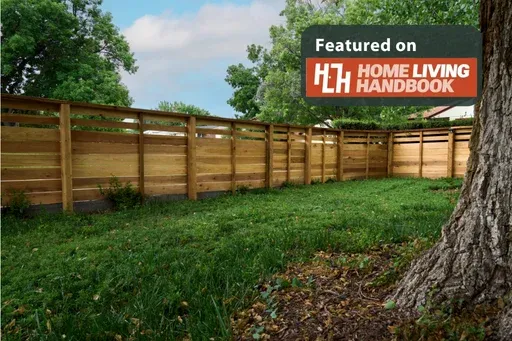
No two backyards in Colorado Springs share the same landscape. Some properties feature rolling slopes, natural rock formations, or gradual elevation changes, while others include uneven terrain that creates both opportunities and design challenges. Instead of forcing a straight fence across an irregular lot, a carefully planned wood fence can follow the property's natural contours, creating a finished appearance that feels intentional and balanced. With guidance from Top Rail Fence Colorado Springs, homeowners can design fencing solutions that work with the land rather than against it.
Letting the landscape shape the fence layout
Every homesite has characteristics that influence the best fencing approach. A flat yard may allow for a traditional layout, while sloped terrain requires more thoughtful planning to maintain both appearance and functionality.
A properly designed wood fence should complement existing grades, preserve usable outdoor space, and avoid creating awkward gaps beneath the fence line. Adapting the layout to the landscape results in a cleaner, more attractive installation that blends naturally with the surroundings.
Following natural elevation changes
Stepped fencing works well on properties with significant elevation differences, while racked fencing allows fence panels to follow gentler slopes without creating uneven transitions. Selecting the right method depends on the property's topography and the desired finished appearance.
Professional wood fence installation helps determine which approach provides the best balance between aesthetics, durability, and privacy.
Working around existing landscape features
Mature trees, boulders, retaining walls, and established gardens often become defining elements of a backyard. Rather than removing these features, a thoughtfully positioned wood fence can highlight them while preserving the property's natural character.
Creating attractive boundaries on irregular lots
Corner lots, curved property lines, and uniquely shaped parcels rarely benefit from standard fencing layouts. Custom planning allows fencing to follow the property's natural dimensions without creating unnecessary angles or wasted space.
This approach also improves how the fence looks from both inside and outside the yard. Clean transitions and properly aligned fence sections contribute to a more polished overall appearance.
For homeowners exploring customized solutions, different wood fencing options can be tailored to fit properties with challenging terrain and unique layouts.
Maintaining visual balance across the yard
When fencing follows the contours of the land, it creates a sense of harmony throughout the landscape. Instead of drawing attention to elevation changes, the fence becomes part of the property's overall design.
Carefully positioned fence lines also help outdoor features such as patios, gardens, and walkways feel more integrated into the surrounding environment.
Improving privacy on changing elevations
Privacy becomes more complex when neighboring homes sit at different elevations. A fence that performs well on one section of the property may provide less screening elsewhere if the terrain changes dramatically.
Strategic privacy fence installation accounts for these differences by adjusting fence placement and panel heights where appropriate. This allows homeowners to create comfortable outdoor living spaces without disrupting the natural flow of the landscape.
Reducing unnecessary gaps
Uneven ground can leave visible openings beneath fencing if installation is not carefully planned. These gaps may reduce privacy while creating opportunities for pets or wildlife to pass through.
Experienced fence installation techniques minimize these issues by adapting the fence layout to the property's contours instead of forcing a rigid design onto uneven terrain.
Preserving drainage and soil stability
The landscape does more than influence appearance. It also affects how water moves across the property.
Fence layouts should support existing drainage patterns while avoiding unnecessary disruption to natural water flow. Proper planning helps reduce erosion concerns and protects the long-term stability of both the fencing and surrounding landscape.
Respecting natural water movement
Installing a wood fence without considering drainage may contribute to standing water or soil displacement after heavy rainfall. Following the property's natural grades helps maintain healthy drainage while protecting nearby landscaping.
This is particularly valuable throughout Colorado Springs, where seasonal weather patterns can place additional demands on outdoor structures.
Selecting designs that complement the terrain
The style of fencing should reflect both the home's architecture and the surrounding landscape.
Horizontal wood fence styles often emphasize wider properties and contemporary homes, while traditional vertical panels complement classic residential designs. Decorative post caps, trim details, and gate designs can further personalize the finished project without overwhelming the natural setting.
Designing gates for uneven landscapes
Gate placement becomes especially important on sloped properties. Proper alignment ensures gates operate smoothly while maintaining consistent spacing along the fence line.
Thoughtful wood fence installation also allows gates to connect driveways, pathways, and outdoor living spaces without creating accessibility issues.
Planning with future outdoor projects in mind
Many backyards continue evolving long after the fence is installed. Future patios, outdoor kitchens, retaining walls, or expanded landscaping should all be considered during the initial planning process.
Flexible fence installation layouts make it easier to add these improvements without requiring major modifications to the existing fence. Planning ahead also helps preserve visual consistency across future upgrades.
Professional guidance from Top Rail Fence Colorado Springs helps homeowners create fencing solutions that continue supporting their property's changing needs for years to come.
Protecting long-term curb appeal
A fence that follows the land naturally tends to age more gracefully than one that ignores the property's unique characteristics. Proper alignment, consistent spacing, and carefully planned transitions contribute to a finished appearance that enhances curb appeal over time.
Routine maintenance also becomes easier when fencing has been installed with the landscape rather than against it.
For additional ideas on designing outdoor spaces that respond to natural terrain, the Fine Gardening website offers landscape planning resources and practical design inspiration.
Making the most of every landscape feature
Every property presents opportunities to create a fence that feels customized instead of standardized. By embracing slopes, curves, mature trees, and natural elevation changes, a wood fence becomes more than a property boundary. It becomes an extension of the landscape itself while improving privacy, organization, and outdoor enjoyment.
Whether your homesite includes rolling grades or unique natural features, Top Rail Fence Colorado Springs can design a fencing solution that complements your property in Colorado Springs. Visit the Contact Us page to schedule a consultation and learn how professionally planned wood fence solutions can enhance both your landscape and your outdoor living experience.