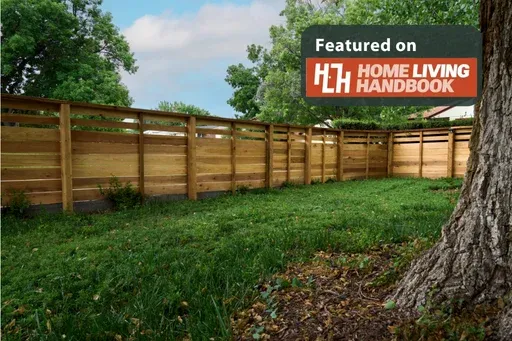
When neighboring yards sit at different elevations, a fence can look and function very differently from one installed between two properties on level ground. In Columbia, a sloped yard may place one home, patio, or outdoor living area noticeably higher than another, changing the sightlines between properties. Well-planned privacy fencing can account for these differences by considering where views occur, how the ground changes, and how the finished fence should follow the property's terrain. Top Rail Fence Columbia can help evaluate these conditions before privacy fence installation begins so the finished boundary fits the landscape rather than fighting against it.
Understand what elevation changes mean for privacy
A difference in ground level can change how much of a neighboring property is visible. A fence that appears sufficiently tall from the lower yard may provide less privacy when viewed from an elevated deck or second-story window.
This means fence height alone does not always determine whether privacy fencing will achieve the desired result.
Look at the property from multiple levels
The most useful sightline is not always the one viewed while standing in the backyard. Consider how the property looks from patios, decks, raised terraces, windows, and other elevated areas.
A neighbor positioned uphill may have a different view into the yard than someone standing at ground level. Likewise, a lower property may have direct views toward an elevated neighboring outdoor space.
Understanding these differences can help determine where screening is most valuable.
Identify where the slope changes
A yard may not have one consistent grade from one boundary to another. It could rise gradually, drop sharply, or contain several distinct sections.
These changes influence how a fence can be positioned. Rather than treating the entire boundary as one flat plane, the fence installation should account for the actual terrain along its route.
Decide how the fence should follow the grade
Once the elevation differences are understood, the next consideration is how the fence itself should move across the slope.
There is no single approach that works for every property. The appropriate configuration depends on the degree of the slope, fence material, desired appearance, and relationship between the two properties.
Use stepped sections on changing terrain
Stepped fencing uses sections that follow the slope in a series of gradual changes. This approach can create a structured appearance where the ground drops or rises significantly.
Each section maintains a consistent relationship with the surrounding terrain while allowing the fence line to accommodate elevation changes.
This can be useful when maintaining relatively uniform panel proportions is important to the overall appearance of the privacy fencing.
Follow gradual slopes where appropriate
A continuously sloped fence line may be suitable where the terrain changes gradually.
Instead of creating noticeable level changes between sections, the fence can follow the natural grade more closely. This can produce a smoother appearance along longer boundaries where the elevation difference is relatively modest.
The correct approach should be determined during planning rather than assumed based solely on how the property looks from a distance.
Account for privacy from the higher property
Elevation creates an important privacy distinction. When one yard sits above another, direct views can extend over a fence that would otherwise appear sufficiently tall.
This is one of the reasons privacy fence installation should consider the relationship between neighboring properties rather than focusing only on the owner's side of the boundary.
Evaluate elevated patios and decks
A raised deck can create a direct line of sight into a neighboring yard. The same can happen when a home sits higher on its lot and contains windows overlooking the lower property.
In these situations, the most effective privacy fencing layout may need to concentrate screening along the portion of the boundary that intersects with those views.
Consider the lower property's perspective
The lower yard may experience a different privacy concern. Instead of looking upward toward a neighboring yard, residents may be dealing with views from an elevated property into their outdoor space.
Fence placement and height should therefore be considered from both sides. A design that works from one viewpoint may not provide the same level of screening from another.
Match the fence layout to the slope
The terrain should influence more than fence height. It can affect where posts are placed, how sections transition, and how gates connect with pathways.
A good privacy fencing plan works with these details instead of forcing a level configuration onto an uneven property.
Plan posts around grade changes
Posts provide the structural framework for the fence, so their positioning needs to account for changes in elevation.
Sharp transitions may require more deliberate spacing and section planning. Proper measurement can help maintain consistent alignment while allowing the fence to respond to the terrain.
Pay attention to transitions between sections
A fence may pass from relatively level ground into a steeper area before returning to a flatter section. These transition points can become visually prominent.
Thoughtful planning can make those changes appear intentional rather than irregular. The result is a fence line that feels connected from one section to the next.
Choose from fence types that suit the terrain
Different fence types respond differently to uneven ground. The choice should take into account not only privacy requirements but also how the material and construction method will interact with the slope.
Wood, vinyl, and other fencing systems can have different installation considerations when the ground changes elevation.
Consider how panel construction affects the slope
Some fence configurations allow individual sections to adapt more readily to changing terrain, while others may require more pronounced transitions.
The design should balance the desired appearance with the practical requirements of the site. A fence that looks ideal in a product image may need a different configuration once it is placed on an actual sloped property.
Think about the finished appearance
A technically functional fence can still look poorly planned if its sections create abrupt visual changes.
The selected fence types, panel arrangement, and grade transitions should work together so the finished installation complements the property from multiple viewpoints.
Keep drainage and runoff in the design
Elevation differences can affect how water moves across a property. A fence should not unintentionally interfere with existing drainage patterns or create unnecessary water-management problems.
This becomes particularly important where one property sits noticeably higher than another.
Observe how water moves across the yard
Before fence installation, identify areas where rainwater naturally collects, travels, or leaves the property.
A fence line that crosses these areas should be considered alongside the existing drainage arrangement. This can help avoid creating conditions where water becomes trapped against the fence or redirected toward an undesirable location.
Protect the base of the fence
Soil can shift over time, particularly on sloped ground. Heavy rainfall, erosion, landscaping changes, and runoff can gradually alter the terrain around a fence.
Planning the fence with the site's drainage and soil conditions in mind can support better long-term performance.
Avoid creating an unnecessarily imposing boundary
When properties sit at different elevations, a fence can appear taller from one side than the other. This visual effect is worth considering when deciding how the finished boundary should look.
A design that feels proportional from the higher property may appear considerably more substantial from the lower yard.
Consider how the fence changes the yard's scale
A tall solid fence can provide substantial screening, but it may also make a smaller yard feel more enclosed.
The objective is to achieve the necessary privacy without allowing the boundary to overwhelm the outdoor space. Selective placement, appropriate proportions, and thoughtful grade transitions can all help maintain balance.
Preserve useful openness
Privacy does not require every section of the property to have identical screening. Some portions of a sloped yard may have little exposure and may not need the same treatment as areas directly affected by neighboring elevation.
This can create a more balanced design while still addressing the property's primary privacy concerns.
Account for local conditions before installation
A sloped property may present more planning considerations than a level lot. Property boundaries, access, drainage, nearby structures, and applicable regulations should all be reviewed before construction.
Columbia's planning resources provide information on local zoning and development requirements, including regulations that may affect fencing and walls. Reviewing the City of Columbia's zoning and planning information can help clarify requirements relevant to a proposed project.
Review the boundary before construction
Elevation differences can sometimes make property lines less obvious from ground level. Existing landscaping, retaining features, and changes in grade can make it especially important to establish where the fence should actually sit.
Confirming the intended boundary before privacy fence installation helps prevent unnecessary adjustments later.
Consider access across uneven ground
A gate that works on level terrain may become awkward when positioned on a steep section of the yard.
Gate placement should account for the direction of travel, surrounding pathways, available clearance, and the slope itself. These details can have a significant impact on how convenient the finished fence is to use.
Create privacy that responds to the landscape
The most effective privacy fencing on an uneven property does not attempt to ignore the elevation difference. It responds to it.
By studying the relationship between neighboring yards, identifying important sightlines, accounting for drainage, and selecting suitable fence types, a fence can provide meaningful separation while following the property's natural form.
Top Rail Fence Columbia can help homeowners assess how a fence layout can work across changing elevations, including section transitions, access points, material considerations, and privacy requirements. Careful planning is particularly valuable when an uphill property overlooks a lower yard or when outdoor spaces on both properties sit at noticeably different heights.
A successful fence installation should look appropriate from both sides of the boundary while providing the level of screening the property actually needs. For Columbia homeowners dealing with sloped yards or neighboring properties at different elevations, privacy fencing can be designed to work with the terrain rather than becoming an obstacle to it. To discuss your property and potential solutions, Contact Us today and explore how a carefully planned privacy fence installation can create a more comfortable and visually balanced boundary.