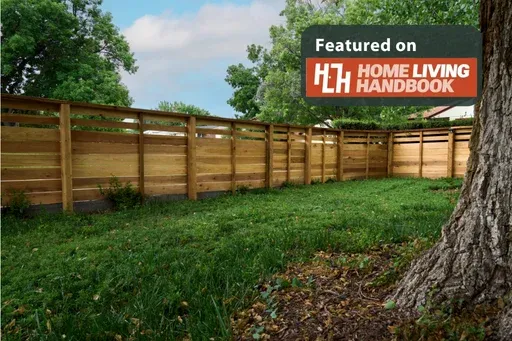
Working from home can make a quiet outdoor setting surprisingly valuable. A backyard office, converted garage, detached workspace, or interior room facing the yard can all benefit from having a more controlled environment around the property. In Columbia, privacy fencing can help create that separation by establishing a visual boundary between a work area and surrounding activity. For locally tailored options, Top Rail Fence Columbia can help homeowners consider a fence layout that works with the home's architecture, yard configuration, and intended use.
Giving the work area a defined edge
A home office does not necessarily need to be physically separate from the rest of the house to feel distinct. The outdoor environment surrounding it can influence how separate the workspace feels from everyday household activity.
A strategically positioned privacy fencing system can establish a clear perimeter around the portion of the property associated with working from home. This can make a patio office, backyard workspace, or detached office feel more intentional without requiring major changes to the structure itself.
Separating work areas from household activity
A busy backyard can contain several competing activities. Children may be playing, pets may be moving around, neighbors may be visible, and outdoor gatherings may take place throughout the day.
A privacy fence can create a visual buffer between those activities and a workspace. While fencing cannot eliminate every sound, reducing direct visual exposure can help the office feel more contained and less connected to distractions outside the workspace.
This distinction can be particularly useful when a home office faces a side yard, neighboring property, or frequently used outdoor area.
Creating a dedicated outdoor work environment
Some people work from patios, screened porches, detached structures, or outdoor rooms. These spaces benefit from having a clear relationship with the rest of the property.
Privacy fencing can define the area without requiring a completely enclosed structure. The fence can establish a backdrop for the workspace and help distinguish it from recreational portions of the yard.
The result is an outdoor environment that feels more purposeful and better suited to focused work.
Designing privacy around the way the office is used
Not every home office requires the same degree of separation. Someone conducting video meetings may prioritize visual privacy, while another person may simply want fewer distractions when reading, writing, or working on a computer.
The best privacy fencing design should reflect those differences.
Positioning the fence around sightlines
Fence placement can influence what is visible from a desk or work area. A fence positioned directly along a property boundary may provide a useful screen, but a different configuration could be more effective if the office faces a particular neighboring yard, walkway, or street.
During privacy fence installation, the relationship between windows, doors, seating areas, and surrounding properties should therefore be considered.
The goal is not simply to build the highest possible fence. It is to create separation where it provides the greatest practical benefit.
Balancing privacy with natural light
A home office still needs a comfortable amount of daylight. A fence that blocks every available source of natural light may make the workspace feel enclosed.
This is where thoughtful design becomes important. Fence height, orientation, spacing, landscaping, and the position of the office can all influence how much light remains available.
A carefully planned residential fence can provide meaningful separation without making the outdoor environment feel unnecessarily closed in.
Using fencing to reduce visual distractions
Visual interruptions can be just as disruptive as noise when working from home. Movement in neighboring yards, pedestrians, passing vehicles, or activity around shared spaces can draw attention away from a task.
Privacy fencing creates a physical visual barrier that can reduce the number of outside elements visible from the workspace.
Shielding the workspace from neighboring activity
A backyard office positioned near a neighboring property may have direct sightlines into another yard. Even when there is no actual conflict between neighbors, that constant visibility can make it harder to create a sense of separation.
A properly positioned privacy fence can screen those views and give the workspace a more enclosed backdrop.
This can be particularly valuable for video calls, where an uncluttered background can also make the workspace appear more professional.
Creating a calmer backdrop for video meetings
Remote meetings often require a controlled visual environment. A fence can provide a consistent outdoor background when an office uses a window, patio, or exterior work area.
Wood, vinyl, and other privacy-oriented fencing materials can produce different visual effects. The right selection can complement the home's exterior while providing a cleaner backdrop.
Making privacy fencing part of the landscape design
A fence around a home office should not look like an isolated wall placed solely for functional reasons. It can become part of the landscape by coordinating with plants, pathways, patios, and architectural features.
This approach can make privacy fencing feel like a natural extension of the property rather than a separate installation.
Pairing fencing with strategic planting
Plants can soften the appearance of a fence and create additional depth around the workspace. Shrubs, ornamental grasses, vines where appropriate, and other landscaping elements can be positioned along the fence line.
However, planting should not obstruct gates, drainage, access points, or areas that need maintenance.
The combination of landscaping and privacy fencing can create a layered boundary that feels more natural than fencing alone.
Creating a visual transition around the office
A detached office or backyard workspace can sometimes look disconnected from the main home. Fencing can help connect the two areas by creating a consistent visual pathway through the landscape.
For example, a fence line can follow an existing walkway or frame a planting bed leading toward the workspace. This gives the outdoor layout a stronger sense of direction.
Considering privacy without ignoring accessibility
A private workspace still needs to remain practical. Gates, pathways, utility equipment, and maintenance areas should be incorporated into the design before privacy fence installation begins.
Columbia's fence standards regulate the location, height, and appearance of fences and walls. The city's requirements also state that fencing should not unreasonably impede visibility of street traffic from vehicles or exiting driveways, and gates cannot swing outward over a sidewalk or into the right-of-way.
Keeping entrances convenient
The location of a gate can influence how easily people move between the office, home, driveway, and yard.
A gate positioned close to the primary path of travel can make the enclosed area easier to access. If the office receives occasional clients or colleagues, a separate entry point may also help distinguish professional access from everyday household movement.
Protecting service and maintenance access
Fencing should not make it difficult to reach HVAC equipment, electrical components, drainage areas, or other features that require periodic attention.
Before fence installation, the location of these elements should be reviewed so that the finished enclosure provides privacy without creating maintenance complications.
Planning for Columbia's residential environment
Local conditions and regulations can influence how a fence is designed. The City of Columbia's current zoning resources identify specific fence standards, and its planning department provides dedicated guidance for fence and wall applications.
This matters when a workspace is located near a front yard, corner lot, driveway, sidewalk, or other area where visibility and placement requirements may apply.
Considering the property's position
A fence that works well in a private backyard may not be suitable in every part of a residential property. Front-yard and street-facing conditions can have different considerations from a rear property boundary.
The office's position should therefore be evaluated alongside the location of the proposed fence. This helps ensure the project supports both the homeowner's privacy goals and the property's existing layout.
Accounting for the home's architectural character
A residential fence can influence the appearance of the entire property. Matching the fence's material, color, and proportions with the home's exterior can make the installation feel more deliberate.
For a traditional Columbia home, a classic privacy fence may complement the existing character. A more contemporary property may benefit from a simpler profile and cleaner lines.
Making the workspace feel separate without isolating it
The purpose of privacy fencing is not necessarily to shut the workspace away from everything else. Instead, it can create a useful middle ground between complete exposure and total isolation.
A properly designed fence can provide visual separation while still allowing the office to remain connected to the yard.
Establishing boundaries without creating a fortress
An oversized fence can dominate a small yard and make the outdoor space feel compressed. A more carefully proportioned privacy fence can provide the desired screening while maintaining a comfortable relationship with the surrounding landscape.
The right balance depends on the office's location, yard dimensions, neighboring properties, and desired level of privacy.
Designing for changing work habits
Home offices may serve different purposes over time. A workspace used for occasional remote work could later become a full-time office, creative studio, or private study.
A flexible privacy fencing layout can support those changes by creating a defined zone without locking the entire yard into one particular use.
Why professional installation supports a better result
The effectiveness of a privacy fence depends on more than the material itself. Post placement, panel alignment, gate positioning, property boundaries, ground conditions, and transitions around existing structures can all affect the finished installation.
Professional privacy fence installation can help ensure those elements work together as part of one cohesive design.
A carefully measured layout also reduces the likelihood of awkward gaps or unnecessary extensions that could diminish the appearance of the workspace boundary.
Creating a quieter setting for working from home
A dedicated workspace can benefit from more than a comfortable desk and reliable internet connection. The environment surrounding the office can influence how separate and focused the space feels.
For Columbia homeowners, privacy fencing offers a way to create that separation while also improving the organization and appearance of the yard. By considering sightlines, access, landscaping, fence proportions, and the position of the home office, the fence can become a purposeful part of the property's overall design.
Top Rail Fence Columbia can help homeowners evaluate how a privacy fence could work around a home office, detached workspace, or other work-from-home area. To discuss a project and determine an appropriate layout, the Contact Us page provides a direct way to connect with the team.
When carefully planned, a residential fence can do more than mark a property boundary. It can create a visual buffer around the places where people work, meet, think, and concentrate. With professional privacy fence installation, homeowners can establish a more defined workspace while keeping the fence integrated with the rest of the landscape. Top Rail Fence Columbia can help develop a privacy fencing solution that supports the way a Columbia home is used today while leaving room for the workspace to evolve in the future.