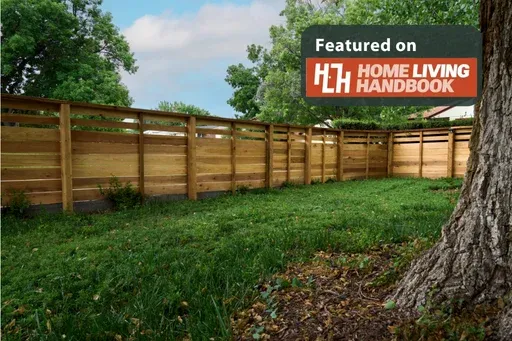
The space between a garage and backyard can easily become an overlooked part of a home. It may serve as a passage for people, a route for lawn equipment, a storage area, or simply an open strip connecting different parts of the property. With thoughtful privacy fencing, this space can become more useful and organized. Homeowners considering a project with Top Rail Fence Columbia can use a well-planned fence to create a stronger connection between the garage, side yard, and backyard while giving each area a clearer purpose.
Give the space between structures a defined function
A garage and backyard serve very different purposes, yet the area connecting them often has to accommodate both. Vehicles, tools, bins, bicycles, and maintenance equipment may occupy the garage side, while the backyard may be designed for entertaining, gardening, recreation, or relaxation.
A strategically positioned privacy fence can establish a physical distinction between these activities. Rather than allowing the entire property to function as one open area, fencing can create separate zones that work together without competing for attention.
Create a clearer path between the garage and yard
A defined passage can make everyday movement more predictable. A properly positioned fence can establish a route from the garage toward the backyard while keeping that pathway separate from seating areas, gardens, or play spaces.
This approach can be particularly useful when family members frequently move between the garage and backyard. Instead of crossing through the middle of an outdoor living area, they can use a dedicated route created through thoughtful fence installation.
Keep utility areas from dominating the backyard
Garages often contain items that are necessary but not especially attractive. Garbage bins, recycling containers, gardening tools, hoses, ladders, and outdoor equipment may need to remain accessible without becoming part of the backyard's visual focus.
Privacy fencing can screen these practical elements from areas where family and guests spend time. The result is not simply a more private yard. It is a yard where useful and recreational spaces have a clearer relationship.
Use privacy fencing to improve the way the backyard feels
A backyard can feel exposed even when it is technically enclosed. Open views toward the garage, driveway, neighboring properties, or nearby activity can make the outdoor area feel less secluded.
A solid privacy fence can change that perception by establishing a stronger visual boundary. Instead of allowing attention to move toward every surrounding activity, the fence helps direct focus toward the parts of the yard homeowners actually want to enjoy.
Reduce visual clutter around outdoor living areas
Imagine a patio positioned behind a garage where visitors can see parked vehicles or equipment every time they sit outside. The patio may be attractive, but the surrounding views can compete with it.
A well-placed privacy fence installation can reduce those distractions. The fence does not have to enclose every inch of the property. It can instead be positioned where screening will have the greatest practical and visual impact.
Make individual backyard areas feel intentional
Fencing can also help divide a larger backyard into purposeful sections. One area might accommodate a patio, another might provide space for children or pets, while another could be reserved for gardening.
The right backyard fence can help distinguish these areas without requiring additional structures. This gives the outdoor space more definition while preserving a cohesive overall layout.
Plan around the garage instead of fencing blindly
The location of the garage creates several practical considerations that should be addressed before privacy fencing is installed. Garage doors need sufficient clearance, pedestrians need comfortable access, and larger equipment may need to move between the garage and backyard.
A fence line that looks appropriate on paper could become inconvenient if it interferes with these everyday activities.
Consider how vehicles and equipment move
The garage may be used for more than parking. Lawn mowers, bicycles, wheelbarrows, gardening supplies, and seasonal equipment can all require movement through the surrounding space.
Before completing a fence installation, homeowners should consider which items regularly need to pass through the area. This can influence the location and size of gates and help prevent a fence from creating an unnecessary obstacle.
Account for existing walkways
A narrow walkway between a garage and backyard can become difficult to navigate if fence posts or gates are positioned too close to the existing route.
Careful measurements can preserve enough clearance for comfortable pedestrian movement. This is especially important when the path is frequently used to reach a patio, pool, garden, shed, or other backyard feature.
Choose a fence style that complements both areas
The fence should not look disconnected from the garage or the backyard. Since it occupies the transition between these spaces, its material and appearance can influence how the entire property feels.
Wood can soften the transition
Wood privacy fencing can introduce a natural appearance that works well alongside landscaping, mature trees, gardens, and traditional home designs. Its texture can help the fence feel like part of the outdoor environment rather than a hard dividing wall.
Vinyl can create a consistent appearance
Vinyl fencing can provide a clean and uniform boundary between the garage and backyard. Its consistent panels can work particularly well when homeowners prefer a simple appearance that does not compete with landscaping or exterior architectural details.
Match the fence to the backyard design
The goal is not simply to select an attractive material. The fence should make sense alongside the existing patio, landscaping, home exterior, and other outdoor features.
A coordinated design can make the transition from garage to backyard appear deliberate rather than patched together.
Think carefully about where the gate belongs
A gate is one of the most important components of a privacy fence installation because it determines how people interact with the newly enclosed space.
A pedestrian gate positioned near the garage may provide convenient backyard access for daily use. A wider gate could be more appropriate where lawn equipment or other large objects need to pass between the garage and yard.
Keep frequently used access points convenient
If the gate is placed too far from the natural route between the garage and backyard, people may begin walking around the fence instead of using it as intended.
The most effective placement usually follows the existing movement patterns of the property. The fence should support those patterns rather than force homeowners to create new ones.
Consider the direction of the gate swing
Gate movement also matters. A gate should open without blocking a walkway, striking landscaping, interfering with vehicles, or reducing usable space.
These details may appear minor, but they can have a major impact on how convenient the finished backyard fence becomes.
Professional installation can protect the design
Even an excellent fencing concept needs accurate execution. Fence posts, panels, gates, property lines, terrain, and existing structures all need to work together.
According to This Old House's fence installation guide, proper planning involves considerations such as post placement, property boundaries, gate construction, and the conditions of the installation area.
For a garage-to-backyard project, these factors can be particularly important because the fence has to work around an existing structure rather than simply follow an open property perimeter.
Precise placement helps preserve everyday usability
A fence that sits too close to a garage can restrict movement. One that extends too far into a yard can unnecessarily reduce usable space. Incorrect gate positioning can create another source of inconvenience.
Professional fence installation helps account for these practical details before the final fence line is established. The objective is to create a boundary that performs its intended function without making the property harder to use.
Turn an overlooked strip into a useful transition
The area between a garage and backyard does not have to remain an undefined part of the property. With the right privacy fencing, it can become a deliberate transition that separates practical activity from outdoor living.
A fence can screen garage-related clutter, establish a convenient walkway, create a more private backyard, and give different outdoor areas clearer identities. For homeowners comparing possible approaches, privacy fencing options can help illustrate how different fencing solutions may work within a broader backyard design.
Create a backyard that works around everyday life
The strongest fencing projects are not necessarily the ones that add the most structure. They are the ones that make the existing property easier and more comfortable to use.
A thoughtfully designed privacy fence can give the garage-to-backyard connection a clear purpose while preserving convenient access. It can make recreational areas feel more secluded, keep utility spaces visually contained, and help homeowners make better use of space that might otherwise go unnoticed.
If you are considering privacy fence installation for the area connecting your garage and backyard, Contact Us to explore a solution designed around your property's layout with Top Rail Fence Columbia.