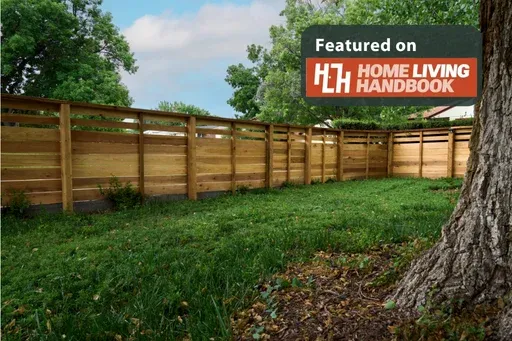
The right privacy fencing can do more than block unwanted views. In Columbia, a well-planned fence can create a sense of seclusion while preserving attractive sightlines and complementing the architectural character of the property. Top Rail Fence Columbia can help homeowners consider fence placement, materials, height, and layout so the finished boundary feels connected to the home and landscape rather than simply separating one property from another.
Begin with the views you want to keep
Privacy does not necessarily require closing off every direction around a yard. Some views may be unwanted, while others may be an important part of the property's appeal.
A backyard might face a neighboring house on one side but open toward mature trees, a garden, or another attractive landscape feature on the other. Treating both views exactly the same could create more enclosure than the property actually needs.
A thoughtful privacy fencing plan starts by identifying where screening provides the greatest value.
Identify the most exposed areas
Look at the yard from the places where people spend the most time. Patios, decks, outdoor kitchens, pool areas, bedroom windows, and living room windows can all reveal different sightlines.
A neighboring driveway may be visible from one seating area but barely noticeable from another. Similarly, a side yard may require more screening than the rear portion of the property.
Understanding these differences can help determine where a privacy fence should provide stronger coverage.
Protect the views that add character
Not every open view is a problem. A wooded area, mature tree, landscaped garden, or attractive architectural feature can make an outdoor space feel larger and more connected to its surroundings.
Rather than eliminating these views, the fence layout can be designed around them. Selective screening can create privacy where it matters while allowing desirable portions of the landscape to remain visible.
Shape the fence around the property
The dimensions and configuration of a yard should influence the fence design. A layout that looks balanced on a large lot may appear overwhelming when used around a smaller property.
The objective is to create effective separation while maintaining comfortable proportions between the home, yard, and fence.
Consider height as part of the overall design
Fence height has a direct effect on both privacy and visual presence. A taller fence may provide greater screening, but it can also become a dominant feature when viewed from inside the yard.
The appropriate height depends on the surrounding properties, desired level of privacy, location of outdoor spaces, and applicable local requirements.
During privacy fence installation, these factors should be considered together instead of selecting a height without looking at the property as a whole.
Follow existing architectural lines
The home's exterior can provide useful design cues for the fence. Rooflines, siding, windows, columns, trim, decking, and other features can influence which fence profile feels most natural.
A fence that complements those existing lines can appear more intentional. This helps the boundary become part of the property's visual identity instead of looking like an unrelated addition.
Use privacy to define outdoor spaces
A fence can also influence how a yard is organized. Instead of viewing the boundary solely as a perimeter, homeowners can use privacy fencing to give individual outdoor areas a stronger sense of purpose.
This can be useful when a property contains several distinct spaces.
Give entertaining areas a defined backdrop
Patios and outdoor seating areas can feel more comfortable when they have some separation from surrounding properties.
A privacy fence can provide a consistent backdrop behind outdoor furniture while leaving other parts of the yard open. This can make an entertaining area feel more established without requiring the entire yard to be enclosed.
Create separation around recreational areas
Pools, play areas, and other recreational spaces can benefit from clearly defined boundaries.
The fence layout should account for how people enter and leave these areas, where existing structures are located, and how the space connects to the rest of the yard. Good planning can provide privacy without making one section feel disconnected from the property.
Make material selection part of the visual plan
The material chosen for a fence contributes significantly to how the property looks from both sides.
Different privacy fence designs can create very different impressions. Natural wood can introduce warmth and texture, while vinyl can create a more consistent and streamlined appearance.
Coordinate with the home's exterior
A fence does not have to match the home exactly. However, its material, color, and profile should generally work with the surrounding exterior.
For example, a property with strong traditional details may benefit from a classic fence profile, while a home with modern architectural features may pair better with simpler lines.
The objective is to create visual compatibility rather than make the fence compete with the house.
Think about what the fence looks like from inside
Homeowners typically spend more time looking at their fence from the yard than from the street. That makes the interior-facing appearance an important part of the design.
The fence should create a pleasing backdrop for landscaping, outdoor furniture, pathways, and other features. This is particularly important when the yard functions as an extension of the home's living space.
Work with the existing landscape
Established landscaping can make a property distinctive, so the fence should be planned around important plants and landscape features whenever practical.
Trees, planting beds, retaining walls, gardens, and pathways can all affect where the fence should run.
Protect mature landscaping
A fence line that passes directly through established planting can create unnecessary complications. Mature trees may require additional consideration because their trunks, roots, and canopies can affect the available installation area.
Planning the fence around important landscape features can help preserve the existing character of the yard.
Leave practical room for maintenance
The finished boundary still needs to be accessible for cleaning, landscaping, repairs, and other routine work.
Plants should not be positioned so tightly against the fence that maintenance becomes difficult. Similarly, the fence should not block access to equipment or areas that need periodic attention.
This type of planning can make the finished fence installation more practical over the long term.
Think carefully about transitions and corners
A fence rarely exists as one uninterrupted line. It may change direction around a home, meet a driveway, connect with another structure, or transition between different sections of the property.
These points can have a major influence on the finished appearance.
Use corners to create visual rhythm
Corners and changes in direction can be designed to feel deliberate. Rather than allowing awkward angles or unnecessary extensions, the fence can follow the natural geometry of the property.
This can be particularly valuable on yards with irregular boundaries or multiple outdoor areas.
Plan gates as part of the design
Gates should be incorporated into the overall fence layout from the beginning.
Their position can affect pedestrian movement, access for lawn equipment, connections between outdoor spaces, and the visual balance of the fence. A gate that is added without considering the surrounding layout may look disconnected from the rest of the installation.
Keep Columbia requirements in mind
Privacy goals still need to work within local regulations and property conditions. Columbia's planning resources provide information about fence and wall requirements, including considerations involving placement, height, visibility, and rights-of-way. The City of Columbia's zoning and planning resources can provide useful guidance when evaluating a proposed fence project.
This is particularly relevant for properties near streets, sidewalks, driveways, corners, and other areas where visibility can affect the appropriate fence configuration.
Evaluate the fence location carefully
The property boundary may not always be the only consideration when deciding where a fence should go. Existing structures, access areas, landscaping, and local requirements can all influence the practical placement.
A careful review before installation can reduce the likelihood of making changes after construction has already started.
Consider the surrounding neighborhood
A fence contributes to the appearance of more than one property. Its height, material, and profile can influence how the home relates visually to neighboring properties.
This does not mean every fence should look identical. Instead, the design should provide the desired privacy while remaining appropriate for the surrounding residential setting.
Create selective seclusion instead of complete enclosure
One of the most useful principles in privacy fencing is that privacy can be targeted.
A homeowner may want stronger screening along one side of the property while keeping another side more open. A patio may need privacy from a neighboring deck, while a garden may benefit from remaining visually connected to the rest of the yard.
This selective approach can create a more comfortable outdoor environment.
Screen activity without closing in the yard
The purpose of a privacy fence is often to reduce unwanted visual exposure rather than eliminate every connection with the surroundings.
By carefully considering fence placement and the direction of important views, privacy fence designs can provide separation without making the yard feel compressed.
Preserve natural openness where possible
Open portions of a property can help maintain a sense of space. Keeping selected sightlines available can make a fenced yard feel less restrictive while still providing meaningful privacy.
This balance is especially valuable when the property already has attractive landscaping or natural features worth highlighting.
Plan for a fence that complements the property long term
A successful privacy fence installation should continue to make sense as the property changes.
Landscaping may grow, outdoor spaces may be rearranged, and the way a yard is used can evolve. Designing the fence with these possibilities in mind can prevent the installation from becoming restrictive later.
Top Rail Fence Columbia can help homeowners evaluate how fence placement, material, height, gates, landscaping, and sightlines can work together to create a cohesive result. The goal is not simply to install a barrier, but to develop a boundary that supports the way the property is used.
When privacy fencing is designed around the property's actual character, it can provide seclusion without sacrificing the views and features that make the yard appealing. With careful planning and professional fence installation, a Columbia property can gain a stronger sense of privacy while maintaining a balanced relationship between the home, landscape, and surrounding environment. To discuss your project and explore an appropriate approach, Contact Us today.